



Last Updated: 20 October 2026
If you are new to lifting, strength training for beginners can feel confusing, with loud gyms, heavy barbells and conflicting advice online. The good news is that you do not need any of that to start well. You can begin at home with your own bodyweight, a pair of dumbbells or a simple resistance band, in sessions that last half an hour.
This guide to strength training for beginners follows NHS-aligned guidance for UK adults. It explains what strength training actually is, why it matters for muscles, bones and healthy ageing, and the six basic movement patterns every beginner should learn. You will also find a simple two-day starter routine, honest advice on equipment and progress, and clear safety guidance so you can build the habit with confidence this autumn and keep it going through winter. No experience, no special clothing and no perfect first session are required — just a sensible plan, a little patience and the willingness to repeat it every week.
What does strength training for beginners involve? Strength training for beginners involves short, regular sessions using bodyweight, resistance bands or light weights to work the major muscle groups, starting with simple movements, learning good form first, and adding a little more challenge gradually over weeks as strength and confidence improve.
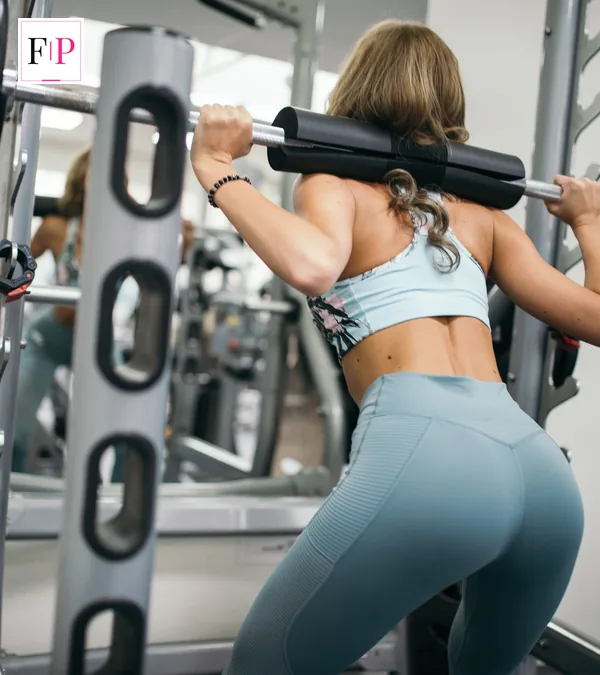
Strength Training for Beginners Explained: What It Is and Why It Matters
Strength training for beginners is a simple, progressive way of making your muscles work against resistance — from weights, bands or your own bodyweight — so they gradually become stronger and more capable.
Strength training, sometimes called resistance training, covers far more than bodybuilding. Press-ups against a wall, carrying shopping up the stairs, standing up from a chair without using your hands and pulling a resistance band apart all count, because in each case your muscles are working against a load. For most people, strength training for beginners simply means choosing a handful of movements that work the whole body, practising them regularly, and making them very slightly harder over time.
You do not need a gym to begin, although a gym does offer more choice of equipment. Home training works perfectly well for the first months, especially if space and confidence are your main worries. What matters is not where you train but whether sessions happen consistently, with rest between them. Two sessions a week will take a beginner a long way.
Interest is growing fast this autumn. Gyms report that strength and functional training classes are surging in popularity across the UK, with one Cardiff gym reporting that attendance at its strength classes has nearly doubled and that women now make up around 48 per cent of its members. That shift is changing the atmosphere on the gym floor, and beginner-friendly coaching and women’s strength classes are now common across Britain.
The Benefits: Muscles, Bones, Joints and Mood
The benefits of strength training for beginners go well beyond firmer arms. Stronger muscles make everyday life easier, from carrying shopping and suitcases to climbing stairs and getting up from the floor. Muscle also supports your joints: when the muscles around your knees, hips and shoulders are stronger, those joints are better protected during walking, running and sport, and many people notice that everyday aches ease as they get stronger, provided they build up sensibly.
Bone health is one of the most important reasons to start. Bones respond to load by maintaining their density, and regular resistance exercise is one of the few proven ways to support bone strength as you age. That matters greatly in later life, when weaker bones and weaker muscles together raise the risk of falls and fractures. Starting in your thirties, forties or fifties — or indeed at any age — is an investment in staying independent, steady and active for longer.
There are wider gains, too:
- Metabolism and weight: muscle tissue uses energy even at rest, so building muscle supports a healthy metabolism alongside balanced eating.
- Blood sugar control: working muscles use glucose, which can support steadier blood sugar as part of a wider healthy lifestyle.
- Mood and sleep: many beginners report better mood, less stress and deeper sleep once regular sessions become a habit.
- Posture and back comfort: stronger back, shoulder and core muscles help you sit and stand more comfortably through a working day.
- Confidence: progress you can measure, in repetitions or in the weight lifted, is deeply motivating.
NHS guidance gives this habit a clear place in your week. Adults should aim to do muscle-strengthening activities on at least two days a week, working all the major muscle groups, alongside at least 150 minutes of moderate aerobic activity such as brisk walking or cycling, or 75 minutes of vigorous activity. The NHS pages on strength exercises show simple movements you can do at home, and the wider NHS guidance on exercise explains how strength and aerobic activity fit together. Think of the two as partners: walking looks after your heart and stamina, while lifting looks after your muscles, bones and joints.
The Six Movement Patterns Every Beginner Should Learn
Rather than memorising dozens of exercises, organise strength training for beginners around six movement patterns. Between them they work every major muscle group, keep your training balanced, and transfer directly to daily life. If a routine covers all six patterns each week, it is fundamentally sound, however simple it looks on paper. Chasing novelty is far less important than repeating these basics until they feel natural.
The six patterns are the squat, the hinge, the push, the pull, the carry and core work. A squat is sitting down and standing up again, as in a goblet squat or a sit-to-stand from a chair. A hinge means bending at the hips with a flat back, as in a deadlift or glute bridge, and it trains the powerful muscles at the back of your legs and hips. Pushing covers press-ups and overhead presses, while pulling covers rows and band pull-aparts that strengthen your back and improve posture.
Carries are exactly what they sound like: picking up something moderately heavy, such as a dumbbell or a full shopping bag, and walking with good posture. They build grip strength, shoulder stability and all-round toughness, and they could hardly be more practical. Core work, finally, is not endless crunches. It means training your trunk to stay steady while your arms and legs move, with exercises such as the dead bug, the plank and the side plank. A steady core protects your back during lifting and makes every other pattern safer.
Balance between pushing and pulling deserves special attention. Many beginners happily press but neglect rows, which can leave the back undertrained and the shoulders rounded from desk work. For every pushing exercise in your week, include at least as much pulling. Your shoulders and posture will thank you for it.
Your Simple Two-Day Starter Routine
This starter plan makes strength training for beginners practical from day one. Train on two non-consecutive days each week — Monday and Thursday, for example — and repeat the same full-body session both days for the first four to six weeks. Warm up for five minutes first with brisk walking, marching on the spot and gentle mobility work. Rest for 60 to 90 seconds between sets, move slowly and with control, and stop a set while you could still manage one or two more good repetitions.
- Goblet squat: hold one light dumbbell or kettlebell at your chest and squat to a comfortable depth. Do 2 to 3 sets of 8 to 12 repetitions. Use a sit-to-stand from a chair if you prefer no weight at first.
- Press-ups or incline press-ups: use the floor, or place your hands on a sturdy table or worktop to make it easier. Do 2 to 3 sets of 6 to 12 repetitions, keeping your body in one straight line.
- Dumbbell deadlift or hip hinge: hold light dumbbells, soften your knees and hinge at the hips with a flat back, then stand tall. Do 2 to 3 sets of 8 to 12 repetitions.
- One-arm row: support one knee and hand on a chair, and row a dumbbell or a filled rucksack up towards your ribs. Do 2 to 3 sets of 8 to 12 repetitions on each side.
- Glute bridge: lie on your back with knees bent, lift your hips until your body forms a straight line, and squeeze your glutes at the top. Do 2 to 3 sets of 10 to 15 repetitions.
- Farmer’s carry: hold a moderately heavy weight in each hand and walk slowly with tall posture for 30 to 60 seconds. Repeat for 2 to 3 rounds.
- Dead bug: lie on your back, reach your arms up, and slowly lower the opposite arm and leg while keeping your lower back gently pressed down. Do 2 sets of 6 to 10 repetitions on each side.
Finish each session feeling worked but not wiped out. Mild muscle stiffness a day or two later is common in the first fortnight and usually settles as your body adapts. Keep a simple note of the weight used and the repetitions managed for every exercise, because that notebook makes progress visible. Once you can reach the top of the repetition range on every set with good form, you are ready to make the exercise slightly harder, as the next section explains. For grip and upper-body variety later on, our guide to the dead hang exercise is a useful next step once the basics feel secure.
Equipment, Home Options and How to Progress
You need very little kit for strength training for beginners, and you should spend cautiously until the habit is established. A pair of adjustable dumbbells is the most versatile first purchase, because one set covers presses, rows, squats and hinges across a wide range of strengths. A set of resistance bands is cheaper, lighter and ideal for travel or small flats, and a single kettlebell suits goblet squats, hinges and carries well. Comfortable clothes, supportive trainers and a mat for floor work complete the list for most people.
Bodyweight-only training is a perfectly respectable starting point, and for press-ups, squats, lunges, glute bridges and core work it may be all you need for months. A sturdy chair, a table edge for incline press-ups and a step for step-ups turn any room into a workable gym. When bodyweight squats become easy, holding a filled rucksack or a heavy water bottle adds load without any spending at all. Our guide to a triceps workout at home shows how much can be done for one muscle group with no equipment beyond furniture.
Progress comes from a principle called progressive overload. In plain terms, it means asking your muscles to do a little more than last time, gradually and systematically, so they have a reason to adapt. You can add one repetition to a set, add a small amount of weight, add a set, slow the movement down, or choose a slightly harder variation, such as moving from incline press-ups to floor press-ups. Change only one of those things at a time, and expect progress in small steps rather than weekly leaps.
A practical rhythm suits most beginners: keep the same routine for four to six weeks, nudging the difficulty up whenever the top of a repetition range feels comfortable, then review. If progress stalls, check the basics before blaming the programme. Are you sleeping enough, eating regular meals with adequate protein, and resting at least a day between sessions? Muscles are built during recovery as much as during training.
Form, Safety and the Mistakes Beginners Make Most
Good form is the foundation of strength training for beginners, and it always matters more than the weight on the bar or in your hand. Start lighter than you think you need to, learn each movement slowly, and use a mirror, a phone video or a training partner to check your position. Keep your back flat during hinges and squats, move through a comfortable range rather than forcing depth, and breathe steadily instead of holding your breath and straining. If a movement cannot be done with control at a given weight, that weight is too heavy for now, whatever anyone else is lifting.
Warm up before every session and leave at least one rest day between full-body workouts, because the same muscles should not be trained hard on consecutive days. Learn to distinguish honest effort from warning signs. General muscle soreness that peaks a day or two after a session and fades is normal, especially early on. Sharp pain, joint pain, pain that alters how you move, dizziness or chest discomfort are not normal: stop, rest, and seek advice if they persist. If you have a heart condition, uncontrolled blood pressure, joint problems, diabetes or another long-term condition, or if you are pregnant or recovering from illness or surgery, speak to your GP or another qualified professional before starting, and consider a few sessions with a qualified coach to learn technique in person. This article is general information, not medical advice.
The most common beginner mistakes are easy to avoid once you can name them. Doing too much too soon leads the list, followed closely by copying advanced routines from social media that were never designed for a new lifter. Skipping the warm-up, holding your breath, training through sharp pain and neglecting pulling movements all cause trouble. So does programme-hopping: changing routine every week feels exciting but prevents the steady repetition that actually builds strength. Finally, many beginners under-eat and under-sleep, then wonder why progress is slow. Regular meals, decent sleep and patience are training tools, not optional extras.
Set your expectations kindly. In the first weeks, much of your rapid improvement is your nervous system learning the movements, which is real progress even before muscles visibly change. Visible change takes months, not days. Two sessions a week, kept up for a year, will transform your strength far more reliably than a heroic fortnight followed by giving up.
What is strength training for beginners?
Strength training for beginners means short, regular sessions using bodyweight, resistance bands or light weights to work the major muscle groups. You start with simple movements such as squats, press-ups, rows and carries, learn good form first, and add a little more challenge gradually over weeks as your strength and confidence improve.
How often should beginners do strength training each week?
NHS guidance is that adults should do muscle-strengthening activities on at least two days a week, working all the major muscle groups. Two full-body sessions on non-consecutive days, such as Monday and Thursday, suit most beginners well. Leave at least one rest day between sessions so the same muscles can recover and adapt.
Do I need a gym membership or expensive equipment to start?
No. You can start at home with bodyweight exercises such as press-ups, squats, glute bridges and dead bugs, using a sturdy chair or table for support. A pair of adjustable dumbbells and a set of resistance bands are useful, affordable additions later, but they are not essential for your first months of training.
What weight should I start with?
Start lighter than you think you need to. Choose a weight that lets you finish a set of 8 to 12 repetitions with good form, while feeling you could still manage one or two more. If you cannot control the movement, the weight is too heavy for now. Add a small amount only when the top of the repetition range feels comfortable.
Is muscle soreness after training normal?
Mild muscle stiffness a day or two after a session is common in the first fortnight and usually settles as your body adapts. Sharp pain, joint pain, pain that changes how you move, dizziness or chest discomfort are not normal. Stop, rest, and seek advice if those symptoms persist or worry you.
When should I speak to a GP or get coaching before starting?
Speak to your GP before starting if you have a heart condition, uncontrolled blood pressure, joint problems, diabetes or another long-term condition, if you are pregnant, or if you are recovering from illness or surgery. A few sessions with a qualified coach can also help you learn technique safely in person. This article is general information, not medical advice.
Conclusion: Start Light, Stay Consistent, Get Stronger
Strength training for beginners does not need to be intense, expensive or intimidating. Learn the six basic patterns, train your whole body twice a week, start light enough to move beautifully, and add a little challenge whenever the work feels comfortable. That simple recipe, followed patiently, builds muscle, supports your bones and joints, steadies your mood and protects your independence as you age. It also fits real British life: at home before work, in a lunch break, or in a local gym where strength classes are fuller and friendlier than they have ever been.
Start this week: book two 30-minute slots in your diary, work through the starter routine above at a light weight, and begin your own strength training for beginners journey with a notebook, a water bottle and a plan you can actually keep.
