


Last Updated: 10 October 2026
The dead hang exercise is the simplest move in the gym right now — and one of the most searched. You grip a bar, lift your feet, and simply hang there with straight arms while the clock does the talking. There is no choreography to learn, no machine to queue for and no weight to load, which is exactly why the dead hang exercise has travelled so fast from serious training circles into everyday British gyms this autumn.
Part of the appeal is how honestly it tests you. A hang strips away momentum, technique tricks and bravado, leaving just your grip, your shoulders and your patience. Beginners discover quickly that twenty quiet seconds can feel surprisingly demanding, while experienced lifters use the bar to build the hand and forearm strength that supports everything else they do. It also fits modern training tastes perfectly: one clear exercise, one clear target, and progress you can measure in seconds rather than guesswork.
What is the dead hang exercise? The dead hang exercise is simply hanging from a secure bar with straight arms and an overhand grip, keeping your body still while you breathe. It builds grip strength, strengthens forearms and shoulders, eases tightness after sitting, and helps you progress towards pull-ups.
What Is the Dead Hang Exercise? The Simple Definition
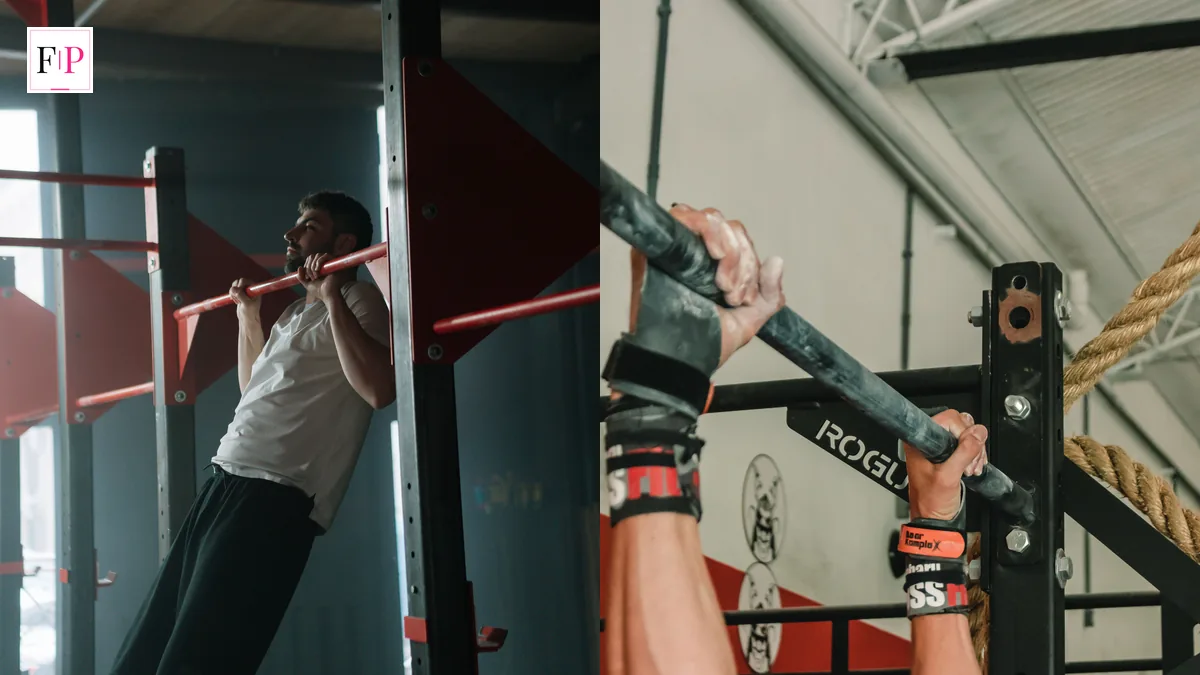
Here is a plain definition: the dead hang exercise is hanging from a bar with straight arms and an overhand grip, with your feet off the floor and your body held still, for as long as you can manage comfortably. That is the whole movement. Everything else in this guide — the set-up, the progressions, the safety checks — exists to help you do that one simple thing well.
The word “dead” is the clue to the technique. In a dead hang your arms stay straight and your body hangs quietly beneath the bar, without swinging, kicking or pulling yourself upwards. Your hands and forearms do the gripping, your shoulders learn to stay organised under load, and your trunk works gently to keep you still. It looks like doing nothing, which is precisely why people underestimate it until they try it.
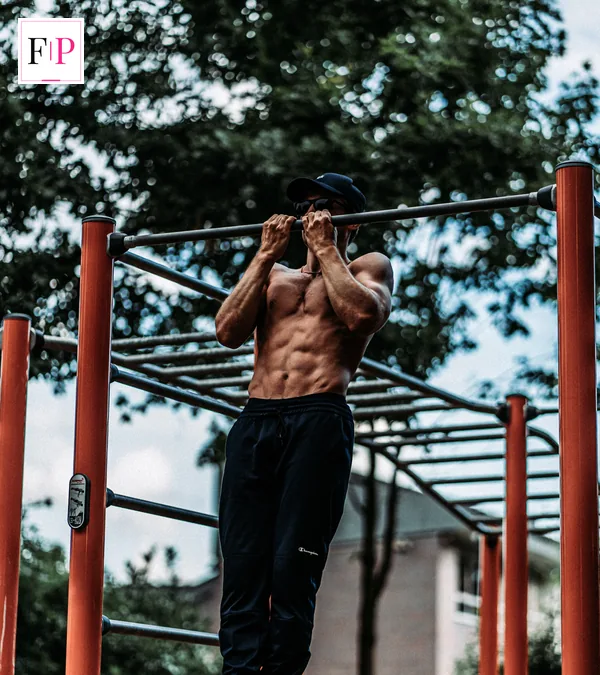
You can practise almost anywhere a secure bar exists: a gym rig, a pull-up bar at home, or the calisthenics frames found in many parks. Because the dead hang exercise uses only your own bodyweight, there is nothing to adjust between people of different sizes or experience levels. The bar stays the same; what changes, week by week, is how long you can stay on it with good form and calm breathing.
Why the Dead Hang Exercise Is Trending in UK Gyms
The numbers behind the trend are striking. PureGym’s UK fitness-trends analysis, based on changes in Google searches, recorded searches for the dead hang exercise rising by 128%, placing a humble bar hang among the fastest-growing fitness searches in the country. You can read more about how search data is shaping this year’s training habits in Athletech News’ report on 2026 fitness trends and Google search data, which explores the wider shift towards simpler, measurable exercise.
The October 2026 fitness-trend round-ups tell a consistent story about why this is happening now. Recovery, grip strength and single-exercise searches are listed as major themes, and the dead hang exercise sits neatly at the meeting point of all three. It is a recovery-friendly movement that asks little of your legs, it is the purest grip test there is, and it is a single exercise you can learn in one session and chase for months.
Gyms have turned that interest into theatre. Hang challenge events now invite members to test themselves against the clock, including an all-day hang challenge running from 6am to 10pm on National Fitness Day, 16 September, with free-membership prizes on offer for the longest hangs. Those challenges test exactly what the exercise trains — grip strength, muscular endurance and core control — and they explain the crowds you now see gathered around the rig, timer in hand, willing the seconds along.
There is also something refreshingly honest about a benchmark that fits on a stopwatch. You either held on for longer than last week or you did not, and that clarity is a welcome change in a fitness world full of complicated programmes and conflicting advice. A bar, a timer and a little patience are the whole kit list. For busy people who train before work or in a lunch break, an exercise that can be tested in a single minute, slotted into any session and practised almost anywhere was always going to travel well.
Dead Hang Exercise Benefits: Grip, Shoulders and Posture
So why hang at all? Because this quiet movement delivers an unusually wide return for something that takes less than a minute at a time. Coaches value it as a foundation: grip strength is widely used as a simple marker of overall strength and healthy ageing, and few exercises challenge your grip as directly as supporting your whole bodyweight from a bar. The main benefits people train for are:
- Stronger grip: your hands and fingers learn to hold on under your full bodyweight, which carries over to carrying, lifting and everyday tasks.
- Stronger forearms and shoulders: the muscles that grip and stabilise you work hard throughout every second of the hang.
- A decompressed spine: hanging gives your back a gentle stretch after long hours spent sitting at a desk or in a car.
- Better shoulder mobility: reaching and holding overhead helps your shoulders move more freely through a healthy range.
- Improved posture: stronger shoulders and a stretched-out trunk make it easier to stand tall rather than rounded.
- Pull-up progression: time on the bar builds the grip and shoulder control that your first full pull-up will demand.
Notice what is missing from that list: exhaustion. The dead hang exercise complements the rest of your training rather than competing with it. A short hang can sit at the end of a strength session, form part of a mobility break on a rest day, or pair with gentle aerobic work. If you are building that kind of balanced week, our guide to zone 2 cardio shows how easy, steady exercise supports recovery while your strength work does the heavier lifting.
How to Do the Dead Hang Exercise Safely, Step by Step
Good form is what turns hanging around into training. The dead hang exercise rewards a calm, deliberate set-up far more than a dramatic leap at the bar, so take your time over every stage, especially while the movement is new to you. Follow these steps:
- Choose a secure bar. Pick a fixed bar that feels completely solid, positioned so you can reach it with your feet near the floor — you should never need to jump or drop to get on and off.
- Take an overhand grip. Place your palms facing away from you, hands roughly shoulder-width apart, and wrap your fingers firmly around the bar.
- Engage your shoulders. Before your feet leave the floor, gently pull your shoulder blades down, away from your ears, so your shoulders feel set rather than shrugged.
- Lift your feet and hang still. Let your body hang straight beneath the bar with your arms extended, legs quiet and trunk braced softly to stop any swinging.
- Breathe and hold. Breathe steadily throughout the hang instead of holding your breath, and keep your gaze forwards and your body calm.
- Step down, do not drop. When your grip is close to giving out, lower yourself under control or step back onto the floor or a box rather than dropping from the bar.
Two safety rules deserve repeating. Stop if you feel sharp pain — effort and tired forearms are normal, but sharp pain is a signal to come down and reassess. And if you have a shoulder injury, or you are returning from one, check with a physiotherapist before you start hanging. A short conversation first is far better than turning a helpful exercise into a setback.
How Long Should You Hang? Beginner Times and the 60-Second Goal
The honest answer is: not very long at first, and that is completely normal. Most beginners start the dead hang exercise at just 10 to 20 seconds before their grip calls time, and there is no shame in a short first hang. Your hands are supporting your entire bodyweight, possibly for the first time in years, so a brief hold simply shows you where your starting line is.
Progress tends to come steadily rather than slowly. Each time you practise, your grip adapts a little, your shoulders settle a little sooner, and the seconds become easier to collect. Rather than chasing one heroic effort, build your time across repeated, tidy hangs with good form, finishing each one while you still feel in control. Short, well-executed holds teach your hands and shoulders far more than one wild swing at the bar.
As for a target, 60 seconds is a solid benchmark for many adults — a full minute on the bar shows a genuinely useful level of grip strength and endurance. Treat it as a direction to travel in rather than a deadline. Some people will reach it quickly, others will take longer, and both journeys deliver the same benefits along the way. The dead hang exercise rewards patience: keep the form honest, keep the breathing calm, and let the clock look after itself.
Dead Hang Exercise Progressions: From Assisted to One-Arm
When a standard hang starts to feel comfortable, the dead hang exercise offers a clear ladder of progressions, each one asking a little more of your grip and shoulders. The first rung is the assisted hang, where you keep your feet lightly on a box or the floor so your legs share some of the load while your hands learn the skill. It is the ideal starting point if a full hang is not there yet, and it still builds real strength.
Next comes the active hang, where you deliberately engage your shoulders — pulling those shoulder blades down and holding that set position — rather than simply dangling. From there, confident hangers can explore the one-arm hang, which doubles the demand on the working hand, and eventually the weighted hang, where extra load makes each second considerably harder. Move up a rung only when the one below it feels stable and pain-free, and step back down a level whenever form starts to slip.
That ladder is also why the dead hang exercise has become a quiet favourite among people training for demanding events. Grip that survives a weighted hang is grip that holds up when workouts get long and hands get tired. If that is your goal, our HYROX training guide shows how to structure preparation for a first race, where lasting grip and muscular endurance matter from the early stations to the last.
Common Mistakes and Safety Checks to Avoid
Most mistakes with this movement come from rushing. The first is leaping up to a high bar and dropping off it afterwards: both the jump and the drop load your shoulders suddenly, when a secure bar you can reach with your feet near the floor makes the whole exercise calmer and safer. The second is shrugging — letting your shoulders creep up towards your ears instead of engaging them by pulling your shoulder blades gently down as you set up.
Swinging is the third classic error. A hang that sways turns a strength exercise into a pendulum, steals the stillness that makes it work, and makes your grip’s job harder for the wrong reasons. Brace your trunk softly, keep your legs quiet, and if you start to swing, come down and reset rather than fighting it. Finally, respect the difference between effort and pain: burning forearms and a grip that gradually opens are normal signs of hard work, but sharp pain means stop, every time.
A final check concerns who should pause before starting. If your shoulders have a history of injury, get guidance from a physiotherapist before you load them overhead with your full bodyweight. Used sensibly, the dead hang exercise is a gentle, joint-friendly movement for most people — but “most people” is not the same as everyone, and a quick professional check keeps a good habit safe.
What is the dead hang exercise?
The dead hang exercise is hanging from a secure bar with straight arms and an overhand grip, shoulder-width apart, with your feet off the floor and your body held still. You simply hold the position and breathe steadily for as long as you can manage with good form.
How long should a beginner hang for?
Beginners should start the dead hang exercise at just 10 to 20 seconds and build up gradually as grip strength improves. Short, tidy hangs with good form are better than one long, swinging effort. In time, 60 seconds is a solid benchmark for many adults to aim for.
What are the benefits of the dead hang exercise?
It builds grip strength, strengthens the forearms and shoulders, and helps decompress the spine after long periods of sitting. Regular hanging can also improve shoulder mobility and posture, and it supports pull-up progression by developing the grip and shoulder control a full pull-up requires.
Is the dead hang exercise safe for my shoulders?
For most people it is a gentle movement when done well: choose a secure bar, engage your shoulders by pulling your shoulder blades down, and step down rather than dropping off. Stop if you feel sharp pain, and if you have a shoulder injury, check with a physiotherapist first.
What are the best dead hang progressions?
Start with an assisted hang, keeping your feet lightly on a box so your legs share the load. Progress to an active hang with your shoulders deliberately engaged, then to a one-arm hang and finally a weighted hang. Move up only when the step below feels stable and pain-free.
Can dead hangs help me do a pull-up?
Yes. The dead hang exercise supports pull-up progression because a pull-up starts from exactly this position: a firm overhand grip, engaged shoulders and a still body under the bar. Building your hang time strengthens the hands, forearms and shoulders you will need to complete that first full pull-up.
Conclusion: Make the Dead Hang Exercise Your One-Minute Habit
The dead hang exercise has earned its surge in searches the honest way: it costs nothing, needs only a bar, and turns grip strength, shoulder control and patience into a number anyone can chase. Start with a secure bar, an overhand grip and just 10 to 20 calm seconds, build towards that solid 60-second benchmark, and progress only when the form feels easy. Find a bar this week, set a timer, and hang — your first honest score is the start of the story.
