


Last Updated: September 21, 2026
Medical disclaimer: This article is for general information only. It is not medical advice and is not a substitute for professional diagnosis or treatment. Talk to your doctor or a qualified health professional about persistent gut symptoms or before making major changes to your diet.
How to Improve Gut Health Naturally: 9 Proven Ways
Figuring out how to improve gut health naturally is one of the best things you can do for your energy, immunity, and even your mood. Your digestive tract is home to trillions of bacteria and other tiny organisms, collectively known as the gut microbiome.
These microbes help break down food, make key vitamins, and train your immune system to tell friend from foe. When the balance tips the wrong way, you may feel it as bloating, irregular digestion, low energy, or catching colds more often.
The encouraging news is that your daily habits shape this inner ecosystem. A study published in September 2026 found that a person’s gut bacteria predicted their inflammation levels better than their actual age. In plain English: what you eat and how you live may matter more than the number of candles on your birthday cake.
Below, you will find nine proven, natural strategies to support your gut — plus the foods to favor, the ones to limit, and a simple seven-day plan to get started.
Quick answer: What does it mean to improve gut health naturally? It means supporting the trillions of microbes in your digestive tract with everyday habits instead of medication. Eat plenty of fiber, add fermented foods like yogurt and kimchi, drink enough water, get regular sleep, move daily, and manage stress. These steps feed beneficial bacteria and help keep digestion smooth and inflammation low.
What “Gut Health” Actually Means
Gut health means having a balanced, diverse community of microbes in your digestive tract, plus a strong gut lining that keeps the wrong things out of your bloodstream. Think of it like a garden: many different plants (microbes) growing in rich soil (a healthy gut lining).
The U.S. National Institutes of Health notes that trillions of microbes live in and on your body right now, and most of them do you no harm at all. In the gut, the helpful ones earn their keep every day.
They ferment fiber you cannot digest yourself and turn it into nourishing compounds. They also help produce certain B vitamins and vitamin K, and they “educate” your immune cells.
Your gut even talks to your brain. The National Institute on Aging describes the gut-brain axis as an intricate network of neurons, proteins, and chemicals relaying messages between your digestive system and your brain. That is one reason stress can upset your stomach — and why stomach trouble can drag down your mood.
Why Scientists Are Talking About Gut Health Right Now
In September 2026, researchers published a striking study in the journal Nature Communications that put gut health in the headlines. The team analyzed 1,199 Danish adults between the ages of 20 and 72, comparing their gut bacteria with markers of inflammation and other health measures.
The headline finding: gut bacteria patterns predicted inflammation better than chronological age did. Microbiome composition explained more of the variation than age for 29 out of 30 inflammatory markers tested, and for 16 of 19 biochemical and physical health measures.
“People of the same chronological age can have very different inflammatory and metabolic profiles,” said study author Carsten Eriksen, Ph.D. “This suggests that chronological age alone does not capture the biological processes underlying healthy or unhealthy aging.”
One particular gut pattern, called the Bacteroides 2 (B2) enterotype, stood out for the wrong reasons. People with this pattern had less microbial diversity, more inflammation, and poorer heart, lung, and metabolic fitness.
Most surprising of all, the B2 pattern showed up in young adults too. Eriksen described it as an “inflammaging-like phenotype already in early adulthood” — inflammation levels normally seen with aging, appearing decades early.
Over up to nine years of follow-up, the B2 pattern was linked to a 21% higher relative risk of later hospital-associated diagnoses. Meanwhile, a more diverse microbiome was tied to lower inflammation and lower overall disease risk.
Eriksen added an important caution: “This is observational. We cannot infer causality.” The study does not prove that changing your gut bacteria will slow aging. But as he noted, “gut microbiota composition is in principle modifiable” — unlike your birth date.
That is exactly why learning how to improve gut health naturally matters. You cannot change your age, but you can change what feeds your microbes.

7 Signs Your Gut Needs Some Help
Your gut usually sends signals when its microbial balance is off. Here are common ones to watch for:
- Ongoing bloating or gas after meals, even when you have not eaten anything unusual.
- Irregular bathroom habits — frequent constipation, loose stools, or swinging between the two.
- Food sensitivities that seem to appear out of nowhere, especially to foods you used to tolerate.
- Constant tiredness despite getting enough sleep, which can signal poor nutrient absorption.
- Frequent colds or slow recovery, since much of your immune system is tied to the gut.
- Skin flare-ups such as new or worsening eczema, which researchers link to the gut-skin axis.
- Intense sugar cravings or mood dips, which may reflect the gut-brain connection at work.
One or two of these now and then is normal. If several stick around for weeks, that is your cue to take your gut seriously — and to check in with your doctor.
9 Proven Ways: How to Improve Gut Health Naturally
You do not need expensive cleanses or miracle powders. The most reliable way to improve gut health naturally is boring in the best way: steady, everyday habits. Here are nine that research actually supports.
1. Eat More Fiber — Lots More
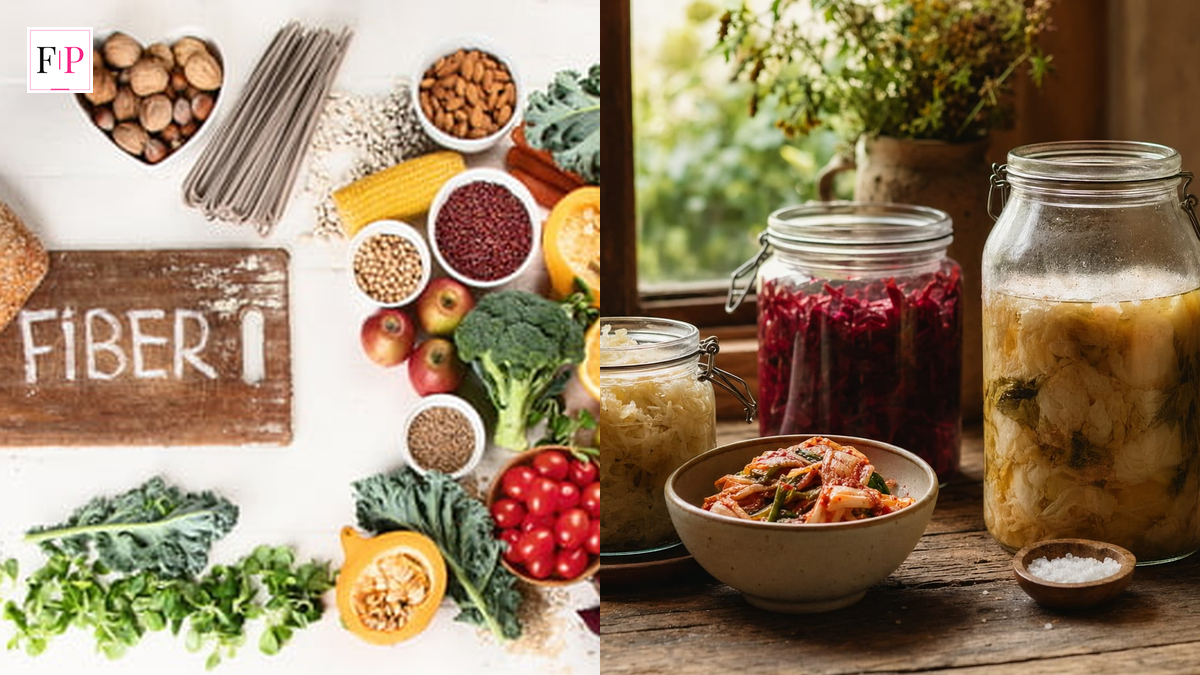
Fiber is the favorite food of your beneficial gut bacteria. When they ferment it, they produce short-chain fatty acids that nourish your gut lining and calm inflammation.
Most adults should aim for roughly 25–30 grams of fiber a day, yet many people get barely half that. Add it gradually — a sudden fiber jump can cause gas — and drink water alongside it.
- Easy wins: oats at breakfast, lentils or beans at lunch, an apple or pear as a snack.
- Variety matters: different fibers feed different microbes, so mix fruits, vegetables, legumes, and whole grains.
2. Add Fermented Foods Daily
Fermented foods deliver live beneficial microbes straight to your gut. Yogurt with live cultures, kefir, kimchi, sauerkraut, miso, and kombucha all count.
A Stanford University study found that people who ate fermented foods daily increased the diversity of their gut microbes. More diversity is generally a sign of a healthier, more resilient gut.
- Start small: a serving of plain yogurt or a forkful of kimchi a day is enough to begin.
- Read labels: choose products marked “live and active cultures” and go easy on sugary flavored versions.
3. Feed Microbes With Prebiotic Foods
Prebiotics are special plant fibers that act as fertilizer for your good bacteria. Think of probiotics as the seeds and prebiotics as the water and sunlight.
Garlic, onions, leeks, asparagus, bananas (especially slightly green ones), oats, apples, and chicory root are all rich sources. Pairing prebiotic foods with fermented foods gives your gut the best of both worlds.
4. Cut Back on Ultra-Processed Foods
Heavily processed snacks, sugary drinks, and fast food tend to feed the less helpful members of your gut community. Diets high in added sugar and low in fiber are consistently linked to lower microbial diversity.
You do not have to be perfect. Try the 80/20 approach: whole, minimally processed foods most of the time, with room for treats. The NIH’s own wellness guidance recommends limiting foods that hurt gut microbes, including sugar and fatty or highly processed foods.
5. Drink Enough Water
Water keeps everything moving through your digestive tract and helps fiber do its job. Without enough fluid, even a high-fiber diet can leave you constipated.
Aim for pale-yellow urine as a rough guide, and drink more in hot weather or when you exercise. Herbal teas count too — just watch the caffeine late in the day.
6. Manage Your Stress
Remember the gut-brain axis: stress hormones can change how your gut moves and how its microbes behave. Chronic stress is linked to flare-ups in conditions like irritable bowel syndrome.
Even ten minutes of daily deep breathing, a short walk, or a consistent wind-down routine can help. Your microbes respond to calm more than you might expect.
7. Move Your Body Every Day
Regular, moderate exercise is linked to a more diverse gut microbiome — independent of diet. Movement also speeds up digestion and eases constipation.
You do not need intense workouts. A brisk 30-minute walk, cycling, swimming, or dancing most days of the week does the job. Consistency beats intensity for your gut.
8. Protect Your Sleep
Poor sleep and gut trouble feed each other in both directions. Adults who sleep badly tend to have less diverse gut bacteria, and gut discomfort can wreck a night’s rest.
Aim for 7–9 hours, keep a regular bedtime, and put screens away for the last half hour. A calm evening routine is a gift to your microbes.
9. Use Antibiotics Only When Truly Needed
Antibiotics save lives, but they do not discriminate — they wipe out helpful gut bacteria along with the harmful ones. Never take them for viral illnesses like colds, and never use someone else’s prescription.
If your doctor does prescribe antibiotics, take the full course as directed. Afterwards, focus on fiber and fermented foods to help your microbial community rebuild.
Gut-Friendly Foods vs. Foods to Limit
Use this quick comparison when you plan meals or shop for foods that help you improve gut health naturally. The goal is a better balance, not a perfect diet.
| Enjoy More Often (Gut-Friendly) | Enjoy Less Often (Gut-Harming) |
|---|---|
| Vegetables of all colors, especially leafy greens | Sugary sodas and energy drinks |
| Fruits, especially berries, apples, and bananas | Candy, pastries, and sweetened cereals |
| Whole grains: oats, brown rice, quinoa | White bread and highly refined snacks |
| Legumes: lentils, chickpeas, black beans | Processed meats: sausages, bacon, deli meats |
| Fermented foods: yogurt, kefir, kimchi, miso | Deep-fried fast food |
| Nuts, seeds, and olive oil | Excess alcohol |
| Water and herbal teas | Artificially sweetened diet drinks (in large amounts) |
Notice the pattern: the friendlier column is full of fiber and fermented foods, while the other column is dominated by sugar, refined starch, and heavy processing. Small swaps — soda for sparkling water, white rice for brown — add up fast.
Probiotics vs. Prebiotics: Do You Need Both?
These two sound alike but do different jobs. Probiotics are live beneficial microbes found in fermented foods and supplements. Prebiotics are the fibers that feed those microbes once they arrive.
Food-first is the safest bet for most people. Fermented foods plus prebiotic fibers give you both sides of the equation without a supplement bottle.
As for probiotic pills, stay skeptical. The NIH cautions consumers to “be wary of probiotics,” noting that many products have not been properly studied. If you are considering one, talk to your doctor or a dietitian first — especially if you are pregnant, immunocompromised, or seriously ill.
Your Simple 7-Day Gut Health Reset
Ready to put it all together? This one-week plan shows how to improve gut health naturally without turning your life upside down. Each day adds one small habit on top of the last.
- Day 1 — Hydrate: Drink a full glass of water before your morning coffee, and keep a water bottle with you all day.
- Day 2 — Add fiber: Swap one refined grain for a whole one — oatmeal instead of sugary cereal, or brown rice instead of white.
- Day 3 — Go fermented: Add one serving of live-culture yogurt, kefir, or kimchi to a meal you already eat.
- Day 4 — Move: Take a 30-minute walk after dinner. Notice how your digestion feels afterward.
- Day 5 — Prebiotic power: Include garlic, onion, banana, or asparagus in at least two meals.
- Day 6 — Cut one gut-harming habit: Skip the soda, the late-night fried snack, or the second sugary coffee — your pick.
- Day 7 — Wind down: Set a regular bedtime, dim the lights an hour before, and aim for 7–9 hours of sleep.
After seven days, keep the habits that felt easiest and layer in the rest over the coming weeks. Gut changes build slowly — most people notice steadier digestion within two to four weeks of consistent habits.
When to Talk to Your Doctor
Natural strategies are powerful, but they are not a replacement for medical care. See your doctor promptly if you notice blood in your stool, unexplained weight loss, persistent vomiting, severe abdominal pain, or symptoms that do not improve after a few weeks of healthy changes.
Bring a short food-and-symptom diary to your appointment. It helps your doctor spot patterns faster and decide whether tests are needed.
How long does it take to improve gut health naturally?
Most people notice steadier digestion within two to four weeks of consistent changes. Deeper shifts in your microbial community can take a few months, so patience matters more than perfection.
What is the fastest way to heal your gut?
There is no overnight fix, despite what cleanse ads promise. The fastest realistic way to improve gut health naturally is combining more fiber, daily fermented foods, less ultra-processed food, good sleep, and regular movement — all at once.
Are probiotic supplements worth taking?
The evidence is mixed, and the NIH notes that many probiotic products have not been properly studied. Food sources like yogurt and kefir are a safer starting point for most people; ask your doctor before buying supplements.
What foods are bad for gut health?
The biggest offenders are sugary drinks, candy and pastries, heavily processed snacks, processed meats, deep-fried foods, and excess alcohol. They tend to reduce microbial diversity and feed less helpful bacteria.
Can stress really affect my digestion?
Yes. Through the gut-brain axis, stress hormones can speed up or slow down digestion and shift your gut microbes. That is why relaxation techniques often ease stomach symptoms.
Will improving my gut health help me lose weight?
A healthier gut is linked to better metabolic health, but it is not a weight-loss shortcut on its own. The same habits that help your gut — more fiber, less processed food, daily movement — also support a healthy weight over time.
The Bottom Line
Learning how to improve gut health naturally comes down to a simple formula: feed the good microbes, starve the troublemakers, and give your gut the sleep, movement, and calm it needs to thrive. The September 2026 research is a powerful reminder — your gut bacteria may reveal more about your health trajectory than your age does, and unlike your birthday, your microbiome is something you can influence. This is how to improve gut health naturally, one day at a time.
Your next step: pick just one habit from the 7-day plan above and start it today — a glass of water, a walk after dinner, or a serving of yogurt. Small steps, repeated daily, rebuild a gut garden that takes care of you for years and teach you how to improve gut health naturally for life. If foot pain holds you back from walking, see our plantar fasciitis shoe recommendations. If this guide helped you, share it with someone whose stomach could use some love.
