



Last Updated: 14 October 2026
If you have been invited for an rsv vaccine nhs appointment, or you have heard that a new jab is being offered to older adults and pregnant women, you may be wondering what it is for and whether it applies to you. RSV is mentioned far less often than flu or Covid, yet it fills GP surgeries and hospital wards every winter.
This guide explains, in plain English, what RSV is, who the NHS offers the vaccine to, what happens at the appointment and how to arrange yours if you think you are eligible. Eligibility can change, so always check the current NHS pages for the final word on your own situation. This article is general information only, not medical advice — speak to your GP or pharmacist about what is right for you.
What is the rsv vaccine nhs programme? It is the NHS vaccination programme that offers a single rsv vaccine nhs dose to older adults around their 75th birthday and to pregnant women from around 28 weeks, to protect against serious chest infections caused by the RSV virus each winter.
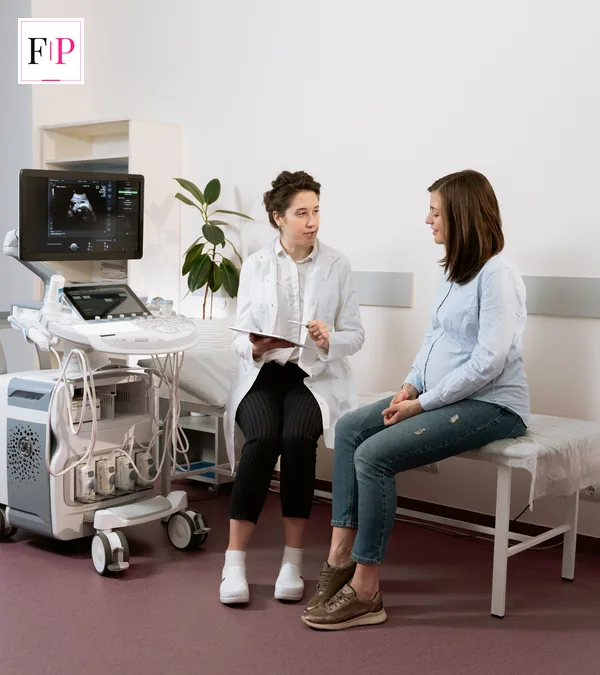
What Is RSV? The Simple Definition
Here is a plain definition: RSV, short for respiratory syncytial virus, is a common winter virus that spreads easily through coughs and sneezes and infects the airways and lungs. Almost everyone catches it at some point, often more than once, because immunity after infection does not last for long.
For most healthy adults, RSV feels much like a heavy cold. Typical symptoms include a runny or blocked nose, a cough, sneezing, a mild temperature and feeling tired. The illness usually clears up on its own within a week or two, and many people never realise that the cold they shrugged off was actually RSV rather than one of the many other winter viruses in circulation.
The picture can be very different at either end of life. In babies and young children, RSV is a leading cause of bronchiolitis, an infection of the tiny airways in the lungs that can make feeding and breathing difficult. In older adults, and in people whose immune systems are weakened, it can develop into pneumonia or make long-term lung and heart conditions worse. That is why prevention, rather than treatment after the event, is the focus of the vaccination programme.
RSV follows a strongly seasonal pattern. Cases climb through the autumn, peak in the winter months and fade as spring arrives, which is why health services talk about it in the same breath as flu season. The burden is not evenly spread, either: hospital admissions for RSV are concentrated among the very old and the very young, and a bad RSV season arriving alongside a bad flu season puts real pressure on wards, GP surgeries and ambulance services across the country. That timing is no accident of planning — the rsv vaccine nhs offer exists precisely because the risk is so predictable, year after year.
What Is the RSV Vaccine on the NHS?
The rsv vaccine nhs programme is the UK’s routine offer of protection against this virus, introduced in 2024 for older adults and for pregnant women. Unlike the flu jab, which is repeated every autumn, the RSV vaccine for older adults is given as a single dose. There is no course of injections to complete and, at present, no annual booster is part of the routine offer.
The vaccine works by teaching your immune system to recognise RSV, so that if you meet the real virus later, your body can respond faster and the infection is more likely to stay mild. Like most vaccines, it cannot guarantee that you will never catch RSV at all. Its main job is to cut the risk of the serious chest infections — bronchiolitis in babies and pneumonia in older adults — that lead people into hospital during the busiest winter weeks.
You can read the official overview of the virus itself on the NHS page about respiratory syncytial virus (RSV), which covers symptoms and when to seek help. Think of the rsv vaccine nhs offer as sitting alongside the flu and Covid programmes: three separate jabs, aimed at three different viruses, all designed to keep the same vulnerable people out of hospital when winter pressures peak.
Who Is Offered the Vaccine?
The routine rsv vaccine nhs offer is aimed at the two groups most at risk of becoming seriously unwell. In broad terms, the people offered the vaccine are:
- Older adults turning 75: invitations are sent around the 75th birthday, and the offer is a single dose rather than a yearly jab.
- Pregnant women: the vaccine is offered from around 28 weeks of pregnancy, during every pregnancy, to pass protection to the baby.
- People advised individually by their GP: if your clinician thinks your circumstances make vaccination appropriate, they can talk you through the current guidance.
The older-adult programme was introduced in 2024 for older adults, with invitations sent around the 75th birthday. Programmes of this kind are sometimes widened over time, and the exact age boundaries have been adjusted for different nations of the UK, so do not rely on a birthday you read about months ago. If you are approaching 75, watch for an invitation from your GP surgery. If you think you should have been invited and have heard nothing, a quick call to the surgery will settle it.
One point causes regular confusion: this is not a vaccine that everyone can simply book, the way many people book a flu jab at a pharmacy. The offer follows the eligibility rules of the programme, and those rules are checked by the surgery or clinic inviting you. That is also why a friend a year older or younger may have been invited while you have not — the invitation follows the date-of-birth rules in force at the time, rather than general health or personal preference.
It also helps to know what the programme is not. It is not an offer to the general adult population, and younger, healthy adults who simply want extra winter protection cannot book an rsv vaccine nhs appointment in the way they might pay for a flu jab privately. Nor is it a treatment: if you already have a cough or cold, the vaccine will not shorten it. The offer is deliberately narrow, aimed where the evidence shows the greatest benefit, and the safest way to find out where you stand is to follow the invitation process rather than turning up and hoping.
The Vaccine in Pregnancy: Protecting Your Baby
The second half of the programme often surprises people. Pregnant women are offered the rsv vaccine nhs dose from around 28 weeks of pregnancy, and the person it mainly protects is the baby, not the mother. When a mother is vaccinated in later pregnancy, protective antibodies cross the placenta, giving the newborn a level of protection during the first months of life.
Those first months are exactly when babies are most vulnerable to bronchiolitis, and they are too young for many other interventions. A winter baby born to a vaccinated mother starts life with some borrowed protection while their own immune system matures. The vaccine is offered in every pregnancy, not just a first one, because the antibody boost is timed for each individual baby.
If you are pregnant, the offer is usually raised at a routine antenatal appointment, and the jab can often be given there and then or booked through your midwife or GP surgery. If your due date is approaching and RSV has never been mentioned, it is perfectly reasonable to ask about it at your next appointment. Your midwife can check the current eligibility wording with you and explain how the timing fits around your other pregnancy vaccinations, such as whooping cough and flu.
How to Get the RSV Vaccine NHS Appointment
Getting your rsv vaccine nhs appointment is usually straightforward, and for most older adults it begins with an invitation rather than anything you need to chase. Follow these steps:
- Wait for your invitation: if you are turning 75, your GP surgery will normally contact you by letter, text or phone when you become eligible.
- Book when invited: follow the instructions in the invitation to choose an appointment at your GP surgery or a local vaccination clinic.
- Ask if you are pregnant: raise the vaccine with your midwife or GP from around 28 weeks, if it has not already been offered at an antenatal visit.
- Check the NHS website if you are unsure: eligibility wording can change, so confirm the current rules on the NHS pages before assuming you do or do not qualify.
- Contact your GP surgery if you think you were missed: a receptionist can check your record and tell you whether an invitation is due.
Most appointments take only a few minutes. You do not normally need to bring anything beyond yourself, although having your NHS number to hand can speed up check-in. Wear a top with sleeves that roll up easily, because the injection goes into the upper arm. If you feel unwell on the day with a high temperature, call ahead — the surgery may prefer to rearrange for when you have recovered.
What Happens at the Appointment and Side Effects
The vaccine is given as a single injection, usually into the muscle of the upper arm — the same spot used for flu and Covid jabs. The vaccinator will ask a few routine questions first, about allergies and any medicines you take, and you may be asked to wait briefly afterwards, as with other vaccinations. The whole visit is normally over well within half an hour.
Mild side effects are common and usually settle within a day or two. They can include:
- A sore, red or slightly swollen arm where the injection was given.
- Tiredness and a general feeling of being under the weather.
- A headache or mild muscle aches.
Resting the arm, drinking fluids and taking an ordinary painkiller if you need one is enough for most people. Serious reactions to vaccines are rare, and the person giving your jab will explain what to watch for. If you feel very unwell after any vaccination, or symptoms worry you, contact your GP, pharmacist or NHS 111 rather than waiting and worrying. And remember that the rsv vaccine nhs dose cannot give you RSV itself — feeling slightly rough for a day is your immune system responding, not an infection.
Afterwards, life carries on as normal. There is no special recovery period, no need to avoid work, driving or looking after grandchildren, and most people forget about the appointment by the following morning. If you keep a note of your vaccinations, add the date to it — because the older-adult dose is a one-off rather than an annual event, it is easy to lose track in later years of whether you have had it. Your GP record will hold the details if you ever need to check, and the surgery can confirm your rsv vaccine nhs vaccination status in seconds.
How It Fits With Flu and Covid Jabs
RSV is the newest of the three winter vaccinations, and it does not replace the others. Flu and Covid are different viruses, so the protection from each jab is separate. If you pay for your flu protection privately, our guide to the private flu jab explains how pharmacy bookings work, while our overview of the NHS flu jab in 2026 sets out who gets flu vaccination free.
Because the RSV dose for older adults is a one-off, many people have it in a different season from their annual flu appointment, and that is fine. If you are offered more than one vaccination around the same time, the surgery will advise on spacing and whether jabs can be given at the same visit. Do not delay a flu or Covid jab you have already booked while waiting for an RSV invitation — each programme runs to its own timetable, and winter does not wait.
The wider aim behind all three programmes is the same. Winter viruses surge together, and hospitals feel the combined weight of flu, Covid and RSV admissions at exactly the moment services are stretched thinnest. Every rsv vaccine nhs dose taken up is one more person less likely to need a hospital bed with pneumonia, and one more baby less likely to spend their first winter struggling to breathe with bronchiolitis.
Important: this article is general information about RSV and the vaccination programme, not medical advice, and it cannot tell you whether the vaccine is right for you personally. Eligibility rules change over time, so check the current NHS pages, and if you are unsure, are pregnant, have a long-term condition or are worried about symptoms, speak to your GP, midwife or pharmacist about your own situation.
What is the rsv vaccine nhs programme?
It is the NHS programme that offers a single RSV vaccine dose to older adults around their 75th birthday and to pregnant women from around 28 weeks of pregnancy. It protects against serious chest infections, such as pneumonia in older adults and bronchiolitis in babies, caused by the RSV virus.
Who is offered the RSV vaccine on the NHS?
Older adults turning 75 are routinely invited around their 75th birthday, and pregnant women are offered the vaccine from around 28 weeks in every pregnancy. The programme was introduced in 2024 for older adults. Eligibility rules can change, so check the current NHS pages or ask your GP surgery.
How many doses of the RSV vaccine do you need?
Just one. For older adults the vaccine is given as a single injection, usually into the upper arm, and there is no annual booster in the current routine offer. Pregnant women are offered one dose in each pregnancy, timed so protection passes to each baby.
What are the side effects of the RSV vaccine?
Mild side effects are common and usually settle within a day or two. They can include a sore arm where the injection was given, tiredness and a headache. Serious reactions are rare. If you feel very unwell afterwards, contact your GP, pharmacist or NHS 111.
Can I get the RSV vaccine if I am pregnant?
Yes — pregnant women are one of the two groups the programme is for. The vaccine is offered from around 28 weeks of pregnancy and mainly protects your baby, because antibodies cross the placenta and help guard against bronchiolitis in the first months of life. Ask your midwife or GP.
How do I book an RSV vaccine appointment?
If you are turning 75, your GP surgery will normally invite you — wait for the invitation, then book as directed. If you are pregnant, raise it with your midwife or GP from around 28 weeks. This article is general information, not medical advice, so speak to your GP or pharmacist about your own situation.
Conclusion
In short: RSV is a common winter virus that is mild for most people but dangerous for older adults and young babies — and the NHS now vaccinates against it.
If you are turning 75, look out for your invitation and take up the single rsv vaccine nhs dose when it arrives. If you are pregnant, ask your midwife about vaccination from around 28 weeks, so your baby starts life with protection. And if you are not sure whether you qualify, check the NHS pages or call your GP surgery today rather than guessing — then explore more of our Health guides here on FamePost to stay ready for winter.
