


Last Updated: 3 October 2026
The NHS flu jab 2026 rollout is now officially under way, with free vaccinations available to millions of people across England from Thursday 1 October. The NHS has opened bookings for everyone aged 65 and over, adults in clinical risk groups, carers, care home residents and frontline health and social care workers. If you have been wondering whether you qualify — or how to get your jab quickly — this guide has everything you need.
Winter is on its way, and with it comes the familiar rise of flu, colds and other seasonal bugs that spread fastest when we spend more time indoors. Getting your NHS flu jab 2026 early gives your body time to build protection before the virus peaks in December and January. Below, we explain exactly who is eligible, how to book, what to expect on the day, and what to do if you are not covered by the free programme.
The dates were confirmed in a joint letter from England’s Deputy Chief Medical Officer, the UK Health Security Agency and NHS England, following advice from the Joint Committee on Vaccination and Immunisation. Bookings are already open online and through the NHS App, and most adults can also walk into a participating pharmacy without an appointment. Read on for the full breakdown — and do not put it off, because protection takes up to two weeks to kick in.
What is the NHS flu jab 2026?
The NHS flu jab 2026 is this year’s free seasonal flu vaccination programme, offered on the NHS from 1 October 2026 to people at higher risk of serious illness. It protects against the flu strains expected to circulate this winter. Eligible groups can book through the NHS website, the NHS App, their GP surgery or a local pharmacy.
What Is the Flu Jab? A Simple Definition
The flu jab is a vaccine that trains your immune system to fight influenza — a contagious respiratory illness that is far more serious than a heavy cold. Each year’s vaccine is updated to protect against the strains of flu virus that scientists expect to circulate that winter.
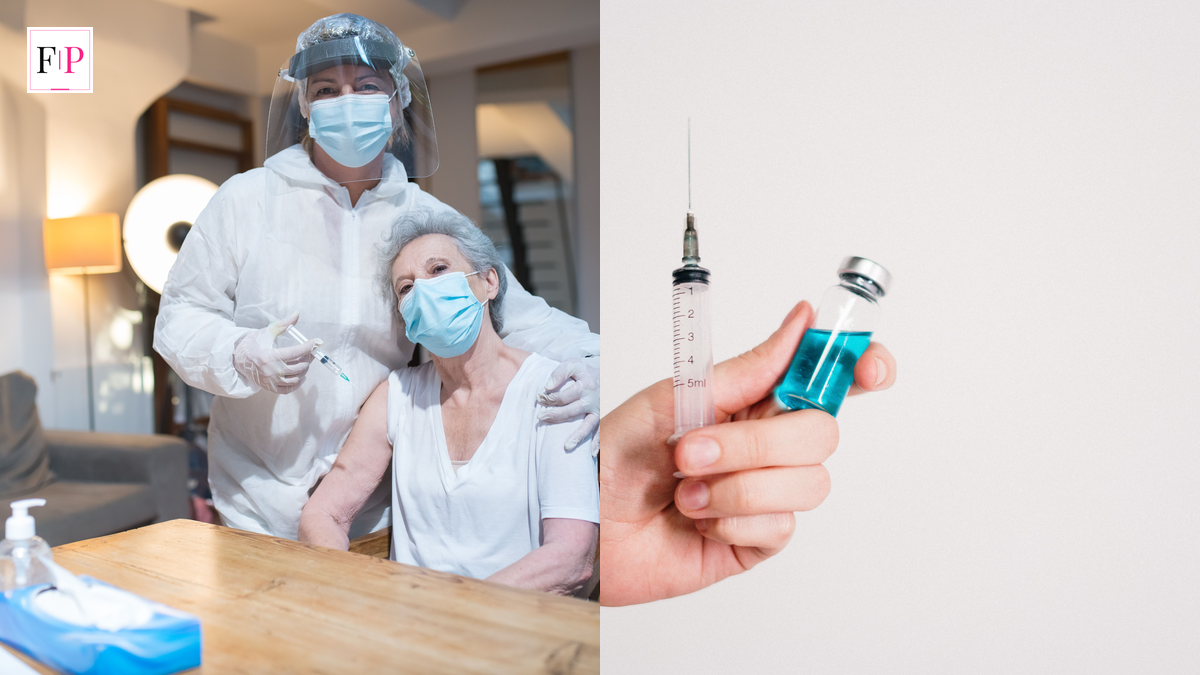
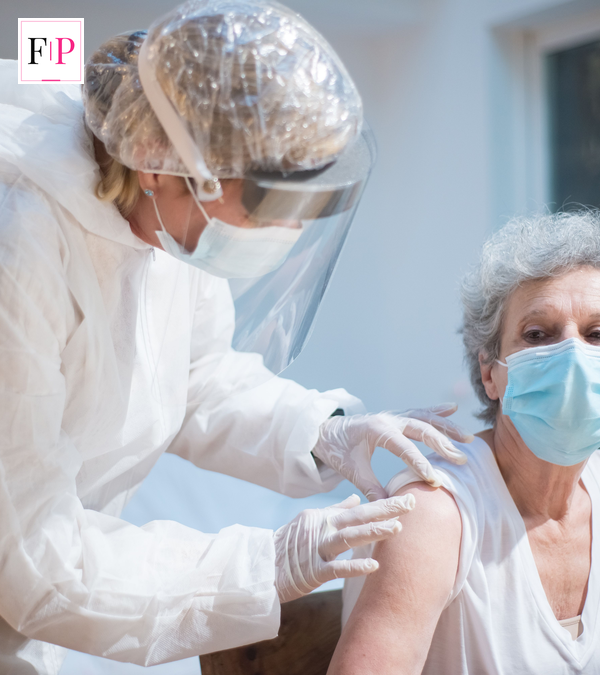
For adults, the vaccine is given as a single injection, usually in the upper arm. It takes just a few minutes and is one of the simplest steps you can take to stay out of hospital this winter.
Flu is not just a bad cold. It is a highly infectious virus that can lead to serious complications such as pneumonia and bronchitis, hospital admission and, in some cases, death. Older people, pregnant women, young children and people with long-term health conditions face the greatest risk.
That is why the NHS offers the jab free every autumn and early winter to people most at risk. Vaccination also helps protect those around you — including babies and elderly relatives — by slowing the spread of infection in the community.
NHS Flu Jab 2026 Rollout: Key Dates to Know
The adult flu vaccination programme for the 2026 to 2027 season began on Thursday 1 October 2026. From that date, all eligible adult groups can receive their free jab at GP surgeries and participating pharmacies across England.
The children’s programme started earlier, on 1 September 2026. Children aged 2 or 3, school pupils from Reception to Year 11 and children in clinical risk groups have been offered the vaccine — usually as a quick nasal spray rather than an injection — since the start of term. Pregnant women could also be vaccinated from September, at any stage of pregnancy.
So why do adults wait until October? The later start follows advice from the Joint Committee on Vaccination and Immunisation (JCVI), the independent body that advises the government on vaccines. In a joint letter, Dr Thomas Waite, England’s Deputy Chief Medical Officer, Dr Mary Ramsay of the UK Health Security Agency and Caroline Temmink of NHS England wrote: “In line with the advice from JCVI, the start of the adult programme for 2026 to 2027 will continue to be 1 October.”
The reasoning is simple. Protection from the flu vaccine wanes over time in adults, so vaccinating closer to the period when flu circulates gives the best cover. Because flu typically peaks in December and January, an October jab lands at the sweet spot — even in early seasons like the one seen in 2025 to 2026.
Children are different: protection lasts much longer in children, and flu usually starts circulating among children before adults. That is why the children’s programme begins in September — early vaccination of children can even reduce flu rates in older adults through indirect protection.
Health and Social Care Secretary Yvette Cooper said: “Vaccinations are essential in protecting those most vulnerable to flu, while also helping to ease pressure on the NHS during the winter months. Everyone eligible for a free flu vaccination will be contacted by phone or letter.” The NHS says most vaccinations are expected to be completed by the end of November, giving as many people as possible protection before flu activity intensifies.
The final date you can get your NHS flu jab 2026 is 31 March 2027, and online booking closes on 30 March 2027. But do not leave it that late — the sooner you are vaccinated, the sooner you are protected.
Who Qualifies for a Free Flu Jab in 2026?
You can get the free NHS flu jab 2026 if you fall into any of the groups below. The NHS will contact many eligible people by phone or letter, but you do not have to wait for an invitation to book.
- Aged 65 or over — including anyone who will turn 65 by 31 March 2027.
- Aged 18 to 64 with certain long-term health conditions — such as asthma (needing a steroid inhaler or tablets), COPD, heart disease, diabetes, chronic kidney or liver disease, Parkinson’s disease, multiple sclerosis, a weakened immune system, or a BMI of 40 or above.
- Experiencing homelessness — aged 16 or over and sleeping rough or staying in a homeless hostel or night shelter. This group is included for the first time this year.
- A frontline health or social care worker — usually vaccinated through an employer, but eligible at a GP or pharmacy if no employer scheme is available.
If you have a health condition and are not sure whether you qualify, speak to your GP surgery or specialist — they can confirm in minutes. The scale of the NHS flu jab 2026 programme is huge: in the North East and North Cumbria alone, around 1.6 million people are eligible for a free flu vaccine this winter.
For the complete and most up-to-date eligibility list, check the official NHS flu vaccine guidance before you book.
How to Book Your Free Flu Jab in 5 Easy Steps
Booking your NHS flu jab 2026 takes just a few minutes. Follow these five steps and you will be protected well before winter bites.
- Check you are eligible. Run through the list above. If you are 65 or over, pregnant, a carer or in a clinical risk group, you almost certainly qualify. When in doubt, ask your GP or pharmacist.
- Pick your booking route. If you are 18 or over, you can book online or in the NHS App right now. Alternatively, contact your GP surgery to book an appointment, or head to a pharmacy that offers the NHS flu service.
- Book or walk in. Many pharmacies are now accepting walk-ins as well as booked appointments, so you may not even need to plan ahead. You do not have to be registered with a GP to get your free jab at a pharmacy.
- Have your jab. The appointment itself takes a few minutes. A trained nurse, GP or pharmacist will give the injection in your upper arm and you can go straight back to your day.
- Give it two weeks. The vaccine usually takes up to 14 days to take full effect, so your protection builds gradually. Try to book early in October so you are covered before flu starts circulating widely.
To find your nearest option, use the NHS tool to find a pharmacy that offers free flu vaccination — just enter your town, city or postcode to see opening times and which age groups each site accepts.
Chief Nursing Officer for England Duncan Burton urged everyone eligible to come forward for the NHS flu jab 2026: “The flu jab is one of our best defences against winter illness. It takes just a few minutes, but it can protect you for months, helping to prevent serious illness, avoid hospital admissions and keep the most vulnerable people safe.”
Flu Jab Side Effects: What to Expect on the Day
Worried about side effects? The good news is that the flu vaccine is very well tolerated, and the NHS says the most common side effects are mild and settle within 1 to 2 days.
- A sore arm — pain or tenderness where the injection was given is the most common reaction.
- A slightly raised temperature — usually mild and short-lived.
- An aching body — some people feel generally achy for a day or so.
More serious side effects, such as a severe allergic reaction (anaphylaxis), are very rare. The person who vaccinates you is trained to deal with allergic reactions and will treat them immediately — that is standard procedure at every vaccination appointment.
Let us clear up the biggest myth of all: the NHS flu jab 2026 cannot give you flu. The injected flu vaccines used in the UK do not contain live flu viruses, so it is simply not possible to catch flu from the vaccine. If you feel under the weather afterwards, it is your immune system responding — exactly what it is supposed to do.
There are only two reasons to delay or skip the jab. You cannot have the vaccine if you have had a serious allergic reaction to a previous dose or to an ingredient in the vaccine. And if you are unwell with a high temperature on the day, wait until you are feeling better.
One more thing worth knowing: some flu vaccines contain a small amount of egg protein. If you have an egg allergy, tell the person vaccinating you — they will make sure you get a suitable vaccine. If anything about your medical history worries you, have a quick chat with your GP or pharmacist before booking your NHS flu jab 2026.
Can You Get the Flu Jab With Other Vaccines?
Yes — and this year, that matters more than ever. The NHS confirms that you can have the flu vaccine at the same time as other vaccines, including the COVID-19 and shingles vaccines.
If you are eligible for a free COVID-19 vaccine as well as a flu vaccine, you can get them together in one visit. To do that, you will need to find a walk-in COVID-19 vaccination site that offers both. It is a smart move: two layers of winter protection in a single trip.
For pregnant women, the flu jab can be given at the same time as other pregnancy vaccinations, such as the whooping cough vaccine and the RSV vaccine from 28 weeks. Studies show it is safe to have a flu vaccine at any stage of pregnancy — and it protects your baby in the first few months after birth, too.
It is also safe to breastfeed if you had the flu vaccine during pregnancy, or if you have it while breastfeeding. If you are over 65, note that the flu jab is not usually given at the same time as the RSV vaccine, though a doctor or nurse can give both together if they think it is needed.
Not Eligible for a Free Jab? Your Options
Not everyone qualifies for the free NHS flu jab 2026 — and that is fine. If you fall outside the eligibility groups but still want protection, you have options.
Many high-street pharmacies, supermarkets and private clinics offer private flu jabs for a fee. You do not need a prescription, and appointments are usually available within days. If you are unsure whether paying is worth it for you, ask a pharmacist — they can talk through your personal risk honestly.
Whatever you decide about vaccination, the basics still help. Wash your hands regularly, ventilate rooms when friends and family visit, and stay home if you develop flu symptoms so you do not pass it on to someone more vulnerable. Flu spreads easily through coughs, sneezes and contaminated surfaces.
And remember: eligibility can change. If you develop a new health condition or become pregnant during the season, you may become eligible later — the programme runs all the way to 31 March 2027.
Final Thoughts: Get Your NHS Flu Jab 2026 Booked Today
The NHS flu jab 2026 programme is open, free and takes just a few minutes — yet it could be the difference between a mild winter and a serious illness. With flu already sending people to hospital, in the words of one NHS public health consultant, vaccination is “one of the best ways to protect yourself this winter.”
Do not wait for an invitation letter that may never come. Check the eligibility list, book your appointment today — online, in the NHS App, at your GP surgery or at a local pharmacy — and give your immune system the head start it needs. By getting your NHS flu jab 2026, you are not just protecting yourself: you are protecting your family, your community and the NHS itself this winter.
When did the NHS flu jab 2026 rollout start?
The adult NHS flu vaccination programme for 2026 to 2027 began on Thursday 1 October 2026. Children and pregnant women could be vaccinated from 1 September 2026. The programme runs until 31 March 2027.
Who is eligible for a free flu jab in 2026?
You can get a free NHS flu vaccine if you are aged 65 or over, aged 18 to 64 with certain long-term health conditions, pregnant, living in a care home, a carer, living with someone with a weakened immune system, aged 16 or over and experiencing homelessness, or a frontline health or social care worker.
How do I book an NHS flu jab 2026?
If you are 18 or over, you can book online or in the NHS App, contact your GP surgery, or visit a participating pharmacy — many now accept walk-ins, and you do not need to be registered with a GP. You do not have to wait for an invitation.
Does the flu jab have side effects?
The most common side effects are mild and settle within 1 to 2 days: a sore arm where the injection was given, a slightly raised temperature and an aching body. Serious allergic reactions are very rare.
Can the flu jab give you flu?
No. The injected flu vaccines used in the UK do not contain live flu viruses, so the jab cannot give you flu. Feeling slightly unwell afterwards is your immune system responding, which is exactly what it is supposed to do.
Can I get the flu jab and the COVID vaccine at the same time?
Yes. The NHS says you can have the flu vaccine at the same time as other vaccines, including COVID-19 and shingles. Pregnant women can also have it alongside whooping cough and RSV vaccinations.
