


Quick Answer: Are snake plants toxic to cats?

Yes. Snake plants (Dracaena trifasciata, formerly Sansevieria trifasciata) are toxic to cats, dogs and horses. The toxic principle is saponins, which irritate the mouth and digestive tract. Typical signs are nausea, drooling, vomiting and diarrhoea. Most cases are mild and not life-threatening.
Are snake plants toxic to cats? Yes, and the ASPCA has classified them that way for years, yet they remain one of the best-selling houseplants in the US and UK.
The appeal is obvious. They survive neglect, tolerate low light and look architectural in any room.
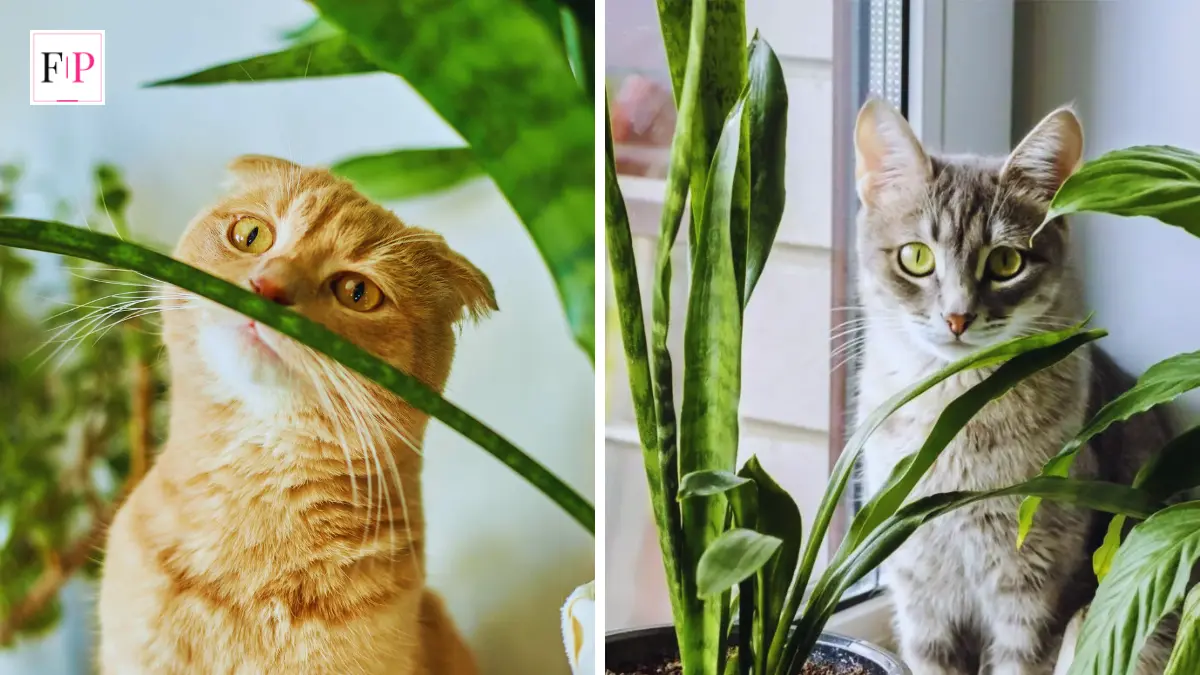
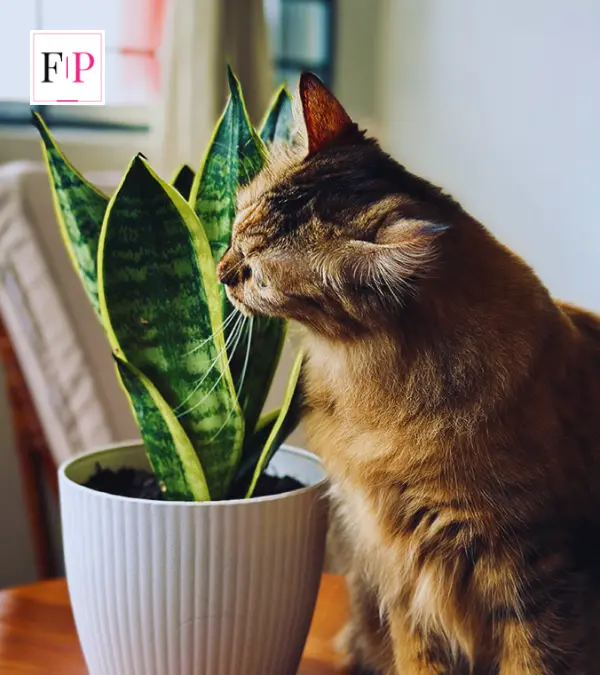
However, those stiff upright leaves are also irresistible to cats. They swat them, bite them and occasionally shred them.
This article delivers the full picture without the scaremongering. You will get the exact ASPCA classification, what saponins actually do, how serious the reaction usually is, what to do if your cat has a chew, and a table of safe lookalike plants.
Furthermore, you will find practical placement advice for owners who refuse to give the plant up. Therefore, you will finish with a decision rather than just a warning.
Are Snake Plants Toxic to Cats? The Direct Answer
Snake plants are toxic to cats. The ASPCA Animal Poison Control Center lists the species as toxic to dogs, cats and horses.
Here is the official classification:
- Common names: Snake plant, mother-in-law’s tongue, golden bird’s nest, good luck plant, viper’s bowstring hemp
- Scientific name: Sansevieria trifasciata, now reclassified as Dracaena trifasciata
- Toxic to: Cats, dogs and horses
- Toxic principle: Saponins
- Clinical signs: Nausea, vomiting, diarrhoea
- Severity: Generally mild to moderate
One naming point causes confusion. Botanists moved the plant from the Sansevieria genus into Dracaena in 2017.
The plant did not change. Therefore, both names refer to exactly the same toxic species.
Every part of the plant contains saponins. Leaves, roots and sap all carry the compound.
What Are Saponins and Why Do They Hurt?
Saponins are natural soap-like compounds that plants produce as a chemical defence against insects, fungi and grazing animals. The name comes from the Latin sapo, meaning soap, because they foam in water.
They work by disrupting cell membranes. When a cat chews a leaf, saponins irritate the tissues of the mouth, throat and stomach lining.
The result is a natural, defensive reaction. The body triggers salivation and vomiting to expel the irritant.
Why Cats Rarely Eat Much
There is a built-in safety valve. Saponins taste unpleasant and bitter.
Most cats take one bite, dislike it and stop. Consequently, the majority of snake plant incidents involve a very small amount of leaf material.
Kittens are the exception. They explore aggressively, have smaller bodies and can consume more before the taste deters them.
Symptoms to Watch For
Signs generally appear within a few hours. Look for the following.
Most Common Signs
- Drooling or excessive salivation
- Nausea, often shown as lip-licking or repeated swallowing
- Vomiting, usually once or twice
- Diarrhoea
- Loss of appetite for a short period
Less Common Signs
- Pawing at the mouth from oral irritation
- Mild swelling of the lips, tongue or gums
- Lethargy for a few hours
- Dehydration if vomiting or diarrhoea continues
There is also a mechanical risk that owners overlook. Snake plant leaves are fibrous and tough.
Large swallowed pieces can cause a digestive blockage in a small cat. Therefore, any cat that eats a substantial section of leaf should be seen by a vet even without poisoning symptoms.
How Serious Is It, Really?
This is where honest context matters. Snake plants are toxic, but they are not in the same league as lilies.
| Plant | Cat Toxicity | Toxic Principle | Severity |
| Snake plant | Toxic | Saponins | Mild to moderate GI upset |
| Pothos | Toxic | Calcium oxalate crystals | Moderate, painful oral irritation |
| Aloe vera | Toxic | Saponins, anthraquinones | Moderate GI upset |
| True lily | Highly toxic | Unidentified nephrotoxin | Severe: acute kidney failure |
| Spider plant | Non-toxic | None listed | Safe |
| Areca palm | Non-toxic | None listed | Safe |
The ASPCA notes that plants listed with mild gastrointestinal upset as their main symptom are not expected to be life-threatening. Snake plants sit squarely in that category.
However, mild is not the same as harmless. A vomiting cat is a distressed cat, and repeated exposure is worth preventing.
What to Do If Your Cat Eats a Snake Plant
Follow these steps in order.
- Remove the plant from reach immediately. Move it to a closed room before doing anything else.
- Check your cat’s mouth. Gently look for leaf fragments and remove any you can see safely.
- Rinse the mouth if possible. Offer fresh water or wipe the gums with a damp cloth.
- Do not induce vomiting. Only do this on direct veterinary instruction.
- Estimate the amount eaten. A nibbled edge and a missing half-leaf are very different situations.
- Call your vet or a poison line. In the US, use the ASPCA Animal Poison Control Center or Pet Poison Helpline. In the UK, contact Animal PoisonLine or your practice.
- Monitor for 24 hours. Watch food intake, litter tray output and energy levels.
Seek urgent care if vomiting continues beyond a few episodes. Likewise, act immediately if your cat stops drinking, becomes very lethargic or shows any breathing difficulty.
Safe Lookalike Plants for Cat Owners
You can keep the same sculptural, low-maintenance aesthetic without the risk.
Non-Toxic Alternatives (ASPCA Verified)
- Parlour palm (Chamaedorea elegans) — upright, structural and very low light tolerant
- Areca palm (Dypsis lutescens) — tall and feathery, an easy statement plant
- Spider plant (Chlorophytum comosum) — arching leaves, thrives on neglect
- Boston fern (Nephrolepis exaltata) — soft texture, completely safe
- Calathea species — dramatic patterned foliage
- Ponytail palm (Beaucarnea recurvata) — spiky look, non-toxic and drought-hardy
- Haworthia — succulent form without the aloe risk
The ponytail palm is the closest visual match. It delivers the same vertical, spiky silhouette that makes snake plants popular.
Also consider adding cat grass. Giving your cat a plant it is allowed to chew reduces interest in the ones it should not.
Keeping a Snake Plant Safely: Placement Tactics
Some owners will keep the plant regardless. If that is you, reduce the risk properly.
Height alone is not a strategy. Cats climb, and a shelf is an invitation rather than a barrier.
Instead, use genuine separation:
- A closed room the cat never enters, such as a home office or spare bedroom
- A glass cabinet or terrarium-style enclosure
- A hanging position with no jumping platform within reach
- A conservatory or porch behind a closed door
Deterrent sprays are unreliable. They wear off, and a determined cat simply waits.
As a result, physical separation is the only method that consistently works. If you cannot achieve it, rehome the plant rather than gamble.
Frequently Asked Questions
Are snake plants toxic to cats?
Yes. The ASPCA lists them as toxic to cats, dogs and horses due to saponins.
Can a snake plant kill a cat?
It is very unlikely. Reactions are usually mild gastrointestinal upset, though large swallowed pieces can cause a blockage.
What happens if my cat licks a snake plant?
A lick alone rarely causes problems. Drooling or a single vomit is the most common outcome.
Is mother-in-law’s tongue the same as a snake plant?
Yes. Both names refer to Dracaena trifasciata, formerly Sansevieria trifasciata.
How long do snake plant symptoms last in cats?
Usually a few hours up to 24 hours. Contact a vet if signs persist beyond that.
Which part of the snake plant is toxic?
All of it. Leaves, roots and sap all contain saponins.
What is a cat-safe alternative to a snake plant?
A ponytail palm or parlour palm gives a similar upright look and is non-toxic.
Do cats know to avoid toxic plants?
No. Cats have no reliable instinct for plant toxicity, though the bitter taste often limits how much they eat.
Conclusion
So, are snake plants toxic to cats? Yes, but the risk is best described as unpleasant rather than deadly.
Three points sum it up. The ASPCA lists the plant as toxic, saponins are the cause, and the usual outcome is short-lived vomiting or diarrhoea rather than serious illness.
The practical answer is straightforward. Move the plant into a genuinely cat-free room, or replace it with a ponytail palm and stop worrying entirely.
Next step: check every plant in your home against the ASPCA database, save your emergency vet number, and add cat grass so your cat has something safe to chew instead.
You may also read: Fame Post
