


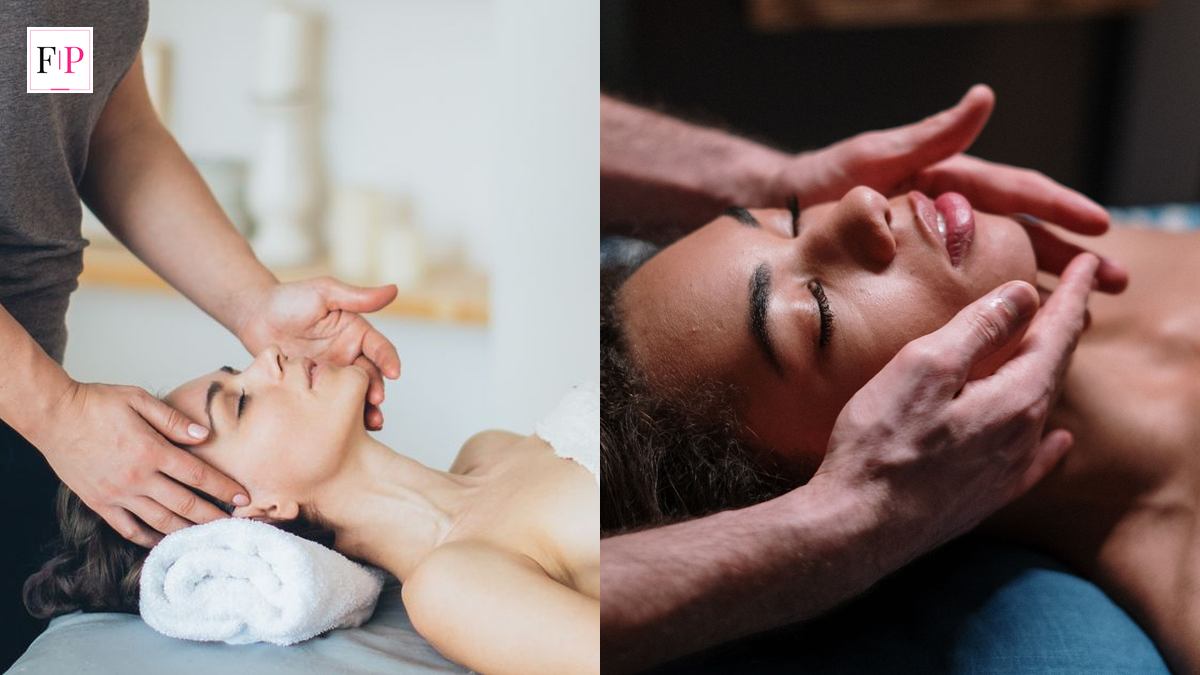
What Is FaceGym? The Facial Workout Everyone’s Talking About
Last Updated: 24 September 2026
If you’re wondering what is FaceGym, you’re certainly not alone. The phrase has become one of the UK’s most searched beauty queries in recent weeks, and the buzz only grew louder when Yorkshire welcomed its very first studio this month.
In short, FaceGym is a chain of facial fitness studios where trained staff put your face through a genuine workout. There are no needles, no lasers and no downtime — just vigorous massage, specialist tools and electrical muscle stimulation, delivered in a session structured exactly like a trip to the gym. But can exercising your face really lift, tone and sculpt it? Let’s find out. By the end of this guide, you’ll know exactly what is FaceGym, how much it costs in the UK, and whether the science behind it stacks up.
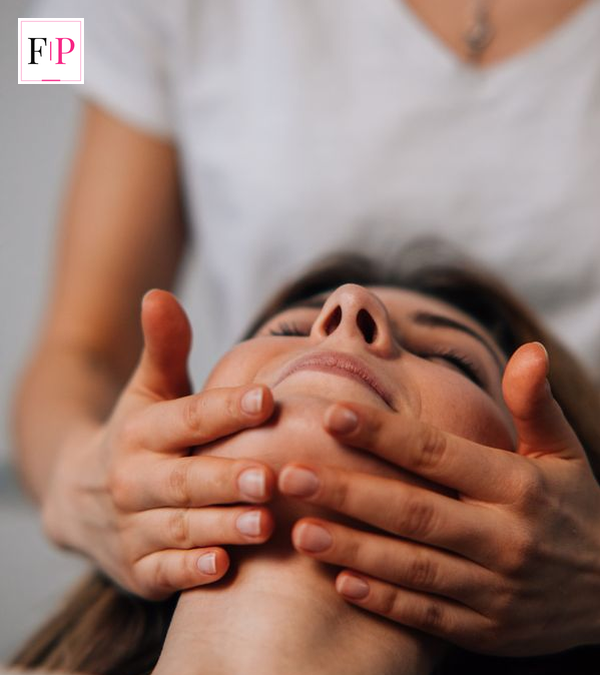
What is FaceGym? FaceGym is a facial fitness studio concept founded in London in 2014, offering non-invasive “facial workouts” that use vigorous massage, hand-held tools and electrical muscle stimulation (EMS) to exercise the 40-plus muscles of the face. Sessions follow a gym-style structure — warm-up, cardio, sculpt and cool-down — with no needles and no downtime.
What Is FaceGym? A Simple Definition
Facial fitness is the idea that the muscles in your face can be trained, toned and strengthened in the same way as the muscles in the rest of your body. That single idea is the foundation of everything FaceGym does.
The brand was founded in London in 2014 by Inge Theron, a beauty and wellness entrepreneur and former Financial Times columnist. What started as a single concept has grown into a global operation with studios in London, New York, Los Angeles, Sydney and Manchester, plus a partnership in India.
Another way to grasp what is FaceGym is to compare it with what came before. Instead of lying still under a mask while products do the work, you’re an active participant in an energetic, results-driven session — the client as athlete, not patient.
Each FaceGym studio ditches the hushed, candlelit aesthetic of a traditional beauty salon. Instead, you’ll find a high-energy, gym-inspired interior — complete with the brand’s signature red weighted balls — where staff are called Trainers and clients are treated like athletes warming up for a session.
The Leeds opening is a genuine milestone for the brand. The 1,772 sq ft flagship at Victoria Leeds is Yorkshire’s first ever FaceGym studio and only its second standalone location outside the capital. The studio officially opened its doors on 19 September 2026, with the launch reported by yorkshire.com on 22 September 2026. For Yorkshire residents searching what is FaceGym, the answer is now on their doorstep.
Speaking at the launch, FaceGym CEO Angelo Castello said Leeds was “an incredibly exciting next step” for the brand, praising Yorkshire’s thriving fitness, beauty and wellness community. The Leeds studio is operated with franchise partner Today Forever, and its opening attracted local influencers including Daisy Tomlinson and Made in Chelsea star Tiffany Watson.
Inside a FaceGym Session: What Actually Happens
So what does a FaceGym workout actually involve? Every session follows the same gym-style structure, no matter which treatment you book. Here’s the step-by-step breakdown.
- Consultation. Your Trainer starts by checking your skin, asking about allergies and finding out what you’d like to work on. This only takes a few minutes but tailors the session to your face.
- Warm-up. After a deep cleanse, the Trainer uses FaceGym’s signature weighted ball, rolling it across different areas of your face. It feels slightly surreal — like stretching before a run — but the idea is to prepare your facial muscles for what’s coming next.
- Cardio. This is the high-energy core of the workout. Using vigorous hand techniques with names like whipping (rapid strokes to stimulate blood flow), knuckling (deep massage using the knuckles) and deep muscle manipulation, the Trainer works the 40-plus muscles of your face, jaw and neck.
- Sculpt. Technology takes over for the sculpting phase. Electrical muscle stimulation (EMS) devices and specialist tools are used to activate the facial muscles, with the aim of lifting, toning and defining areas like the cheekbones and jawline.
- Cool-down. Just like after a gym session, your face gets a cool-down. Soothing products and booster serums are applied, and your Trainer will often finish with lymphatic-style strokes to reduce any puffiness.
The most popular treatment is the Signature Sculpt, a 35 to 45-minute workout that covers the full warm-up to cool-down sequence. Reviewers consistently report an instant post-workout glow and visibly lifted cheekbones — though, as we’ll see, how long those effects last is another question.
One thing every client mentions is the energy. This is not a lie-back-and-nod-off facial. The massage is vigorous, the studio is buzzy, and Trainers keep up a patter that genuinely makes it feel like a fitness class for your face.
Each phase answers a different part of what is FaceGym: preparation, intensity, technology and recovery. Miss one phase and it wouldn’t feel like a workout at all.
What Is FaceGym’s Signature Sculpt — And What Does It Cost in the UK?
If you’re still wondering what is FaceGym’s most popular treatment, the answer is the Signature Sculpt. This is the brand’s hero workout — the one celebrities book before red carpets and the one most first-timers try.
The 35 to 45-minute session runs through the full workout structure: warm-up with the weighted ball, high-energy cardio using whipping and knuckling techniques, sculpting with EMS technology, and a relaxing cool-down with booster serums. The focus is on defining the cheekbones and jawline while giving the whole face that famous post-workout glow.
At £110 a session, it isn’t cheap — but it is the purest expression of what is FaceGym all about: treating facial fitness as seriously as body fitness. Many clients book it before weddings, photoshoots or big nights out, when they want maximum impact with zero downtime.
A FaceGym workout is firmly a premium treat rather than an everyday habit. Here’s the full price breakdown for the UK:
- One-off Signature Sculpt: £110 for a 45-minute session.
- Founding membership (Leeds): £62 per month for the first 99 members, covering one workout a month with a minimum two-month commitment. The rate is fixed for six months, then moves to the standard £77 per month.
- Standard membership (Leeds): £77 per month for one monthly workout.
- London memberships: currently around £88 per month, for comparison.
- Member perks: 40% off FaceGym Boosters, 30% off additional workouts and 20% off full-price skincare and tools.
So what is FaceGym going to cost you over a year? A founding member paying £62 a month spends £744 annually for twelve sessions — roughly half the £1,320 cost of twelve one-off £110 visits. Whatever package you choose, understanding what is FaceGym helps you judge the value: you’re paying for a Trainer’s time, specialist products and technology, not just a pot of moisturiser.
Add-on treatments, booster serums and take-home tools cost extra, so the final bill for a fully loaded visit can climb well above the headline £110. If you’re tempted, the founding membership is clearly the best-value route — but only if you’ll actually use the monthly session.
FaceGym vs Traditional Facials: The Key Differences
How does a FaceGym workout compare with the classic facial you’d get at a spa or salon? If you’re weighing up your options, asking what is FaceGym versus what is a facial is exactly the right starting point. The table below breaks down the main differences.
| FaceGym Workout | Traditional Facial | |
|---|---|---|
| Main focus | Exercising the 40+ facial muscles | Cleaning, exfoliating and hydrating the skin’s surface |
| Techniques | Vigorous massage, tools, EMS technology | Cleanse, exfoliation, extractions, masks |
| Downtime | None | None to minimal (possible redness after extractions) |
| Instant result | Lifted, toned look and post-workout glow | Hydrated, glowing skin |
| Typical price (UK) | Around £110 per session | £40–£90 depending on the salon |
| Best for | Muscle tone, definition, pre-event lift | Congestion, dullness, deep cleansing |
Put simply, a traditional facial treats your skin, while FaceGym claims to treat the muscles underneath it. They solve different problems, which is why some devotees happily book both.
The Science Behind FaceGym: Does It Actually Work?
This is the question that matters most — after all, what is FaceGym without results? The honest answer is nuanced, so let’s separate what the evidence supports from what’s pure marketing.
What the evidence says. The most cited research is a Northwestern Medicine study published in the journal JAMA Dermatology. Sixteen healthy women aged 40 to 65 completed a 20-week programme of 30-minute facial exercises — daily for the first eight weeks, then every other day.
Two blinded dermatologists, who didn’t know which photos were “before” and which were “after”, rated the results. Upper-cheek fullness scores improved from 1.1 to 1.8, and lower-cheek fullness from 0.9 to 1.6. The dermatologists’ estimates of the women’s ages also dropped from an average of 51 to 49.
“Now there is some evidence that facial exercises may improve facial appearance and reduce some visible signs of ageing. The exercises enlarge and strengthen the facial muscles, so the face becomes firmer and more toned and shaped like a younger face.”
Dr Murad Alam, lead author and professor of dermatology at Northwestern University
The important caveats. The researchers themselves flagged the study’s limits: only 16 people finished it, there was no control group, and the volunteers were highly motivated. It tested months of daily facial exercises at home — not a single 45-minute studio session with EMS.
What about the EMS technology? Electrical muscle stimulation is well established in physiotherapy and sports rehabilitation for activating muscles. However, there is very little published evidence on the low-intensity facial EMS devices used in beauty settings. Dermatologists generally agree that massage increases blood flow — which explains the famous post-workout glow — but no peer-reviewed study shows that one studio session permanently reshapes facial muscles or bone structure.
Critics sometimes ask what is FaceGym if the evidence only covers home exercises rather than studio sessions. It’s a fair challenge. The brand’s workouts add professional technique and EMS technology to the basic facial-exercise concept, but those specific additions haven’t been tested in published clinical trials.
The balanced verdict. Facial exercise has some genuine, if limited, scientific support — mainly for long-term, consistent practice. A FaceGym session will almost certainly give you a temporary lift, improved circulation and a glow that photographs beautifully. Treat the bolder sculpting claims as marketing rather than medicine, and think of it as maintenance, not a miracle.
Who Is FaceGym For — And Who Should Skip It?
FaceGym could be a great fit if you:
- Want a non-invasive alternative to injectables, with zero needles and zero downtime.
- Have a big event coming up and want an instant lift and glow — many clients book before weddings and photoshoots.
- Already love the gym and like the idea of extending your fitness routine to your face.
- Are curious about facial EMS technology and want to try it under professional supervision.
- Simply enjoy vigorous massage and find traditional facials a bit too sleepy.
Think twice or check with a professional first if you:
- Are pregnant — EMS devices are generally not recommended during pregnancy.
- Have active acne, rosacea flare-ups, eczema or broken skin, as vigorous massage can aggravate them.
- Have recently had Botox, dermal fillers or any cosmetic procedure — ask your practitioner how long to wait.
- Have a pacemaker, heart condition or metal implants in the face or jaw, since EMS involves electrical currents.
- Have very sensitive or easily bruised skin.
Ultimately, what is FaceGym if not a premium self-care experience with a fitness twist? If that framing appeals to you — and your budget stretches to it — you’ll probably love every minute.
When in doubt, the consultation at the start of your session is the time to raise concerns — and anyone with a medical condition should check with their GP or dermatologist first.
At-Home Alternatives to a FaceGym Workout
Not ready to spend £110 on your face? You can borrow several of FaceGym’s core principles at home for a fraction of the price.
- Gua sha: The traditional Chinese scraping tool (around £10–£20) is used with firm strokes along the jawline and cheekbones to encourage lymphatic drainage. It’s the closest at-home equivalent to FaceGym’s sculpting phase.
- Face yoga: Free routines on YouTube guide you through exercises targeting the forehead, cheeks and neck. This mirrors the muscle-training logic behind the Northwestern study — consistency matters more than intensity.
- Jade rollers and ice globes: Cheap (under £15) and excellent for de-puffing in the morning, though they won’t build muscle tone.
- Self-massage: Try FaceGym-style knuckling at home — using clean hands and a facial oil, press your knuckles firmly along the jawline and cheekbones for five minutes. It boosts circulation just like the studio’s cardio phase.
- At-home microcurrent devices: Pricier (£150–£300), these gadgets claim to mimic the EMS element. The evidence is thin, so treat them as a luxury rather than a proven treatment.
None of these fully replicates what is FaceGym in a studio — the EMS technology and professional-grade massage techniques are genuinely hard to copy at home. But the honest truth? A £12 gua sha tool used consistently will probably do more for you over six months than a single £110 studio session. But it won’t give you the experience, the expertise of a Trainer, or that immediate red-carpet-ready lift.
The Verdict: Is FaceGym Worth It?
So, what is FaceGym really — a fitness revolution for your face, or an expensive massage with great branding? The fairest answer is that it’s a bit of both. Whether what is FaceGym becomes part of your own routine is a personal call — but at least now it’s an informed one.
The concept has genuine logic behind it: your face contains more than 40 muscles, and the one solid clinical study on facial exercise showed measurable improvements after 20 weeks of consistent practice. The vigorous massage unquestionably boosts blood flow, and clients walk out with a glow and lift that cameras love.
But go in with realistic expectations. A single session won’t permanently reshape your bone structure or replace a consistent skincare routine, and the boldest sculpting claims outrun the published evidence. Think of FaceGym the way you’d think of a personal training session — one great workout feels amazing, but lasting change takes commitment.
Now you know what is FaceGym, how a session works and what the science says. If you’re in Yorkshire, the new Victoria Leeds studio makes it easy to find out for yourself — and the £62 founding membership is the smartest way to try it. Book a consultation, ask plenty of questions, and decide whether facial fitness deserves a place in your routine. Have you tried FaceGym, or are you tempted? Share your thoughts in the comments below.
What is FaceGym in simple terms?
FaceGym is a facial fitness studio offering non-invasive “facial workouts”. Trainers use vigorous massage, specialist tools and electrical muscle stimulation to exercise the 40-plus muscles of the face, aiming to lift, tone and sculpt with no needles and no downtime.
How much does FaceGym cost in the UK?
A one-off Signature Sculpt session costs £110. Memberships start at £62 per month for founding members at the Leeds studio (first 99 members), rising to £77 per month standard, while London memberships cost around £88 per month.
Does FaceGym actually work?
There is limited but real evidence that facial exercise can improve appearance: a Northwestern Medicine study found fuller cheeks and a younger estimated age after 20 weeks of daily exercises. A single FaceGym session gives a temporary lift and glow, but permanent reshaping claims go beyond the published evidence.
Is FaceGym painful?
Most clients describe it as intense rather than painful. The massage is vigorous — techniques like knuckling and deep muscle manipulation involve firm pressure — but Trainers adjust to your comfort level, and there is no downtime afterwards.
Where is FaceGym in the UK?
FaceGym has five studios in London, plus locations in Manchester and Cambridge, and opened its first Yorkshire studio at Victoria Leeds on 19 September 2026. It also operates studios in New York, Los Angeles and Sydney.
Who should avoid FaceGym?
Pregnant women, people with active acne, rosacea flare-ups or broken skin, anyone who has recently had Botox or fillers, and people with pacemakers or heart conditions (due to the EMS technology) should check with a medical professional before booking.
