



Last Updated: 26 September 2026
Diabetes Symptoms: 9 Warning Signs You Should Never Ignore
Diabetes symptoms are easy to miss, and that is exactly why doctors across the UK want you to learn them by heart. More than 5.8 million people in the UK are now living with diabetes, and Diabetes UK estimates that over a million of them do not yet know they have it. The earliest warning signs creep in quietly and are often blamed on stress, poor sleep or simply getting older.
But spotting these signals early can mean the difference between a simple blood test and years of silent damage to your eyes, kidneys, heart and feet. In this guide, we break down the nine early diabetes symptoms that GPs and diabetes specialists say you must not ignore, explain how type 1 and type 2 signs differ, and show you exactly what to do if any of them sound familiar. Keep reading — it could protect your health for years to come.
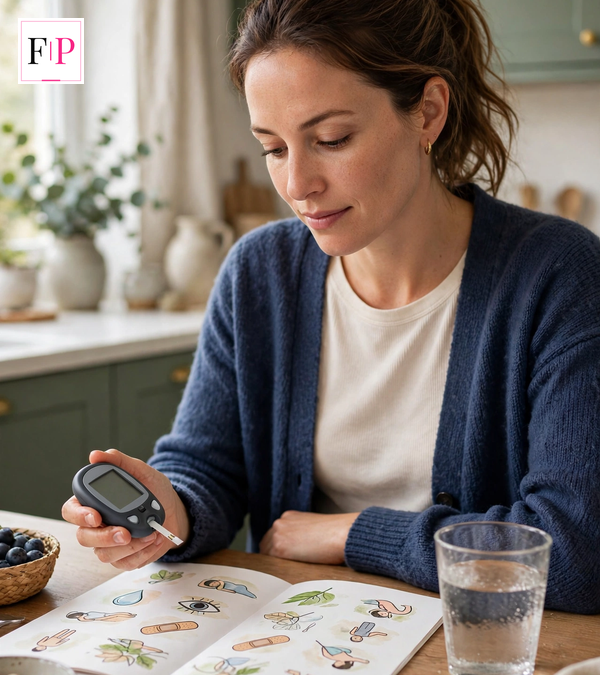
Quick answer: The most common diabetes symptoms are feeling very thirsty, peeing more often than usual (especially at night), extreme tiredness, unexplained weight loss and blurred vision. Type 1 symptoms appear quickly, while type 2 develops slowly. If you notice these signs, contact your GP as soon as possible for a blood sugar test.
What Are Diabetes Symptoms?
Diabetes symptoms are the physical warning signs that appear when blood sugar (glucose) levels stay higher than normal for a sustained period. When your body cannot make enough insulin, or cannot use it properly, glucose builds up in the blood instead of reaching your cells for energy.
That build-up is what triggers the classic signs. Your kidneys work overtime to flush out the extra sugar through urine, which is why thirst and frequent toilet trips so often arrive together. Meanwhile, your cells are starved of fuel, which explains the deep tiredness that rest never seems to fix.
There are two main types of the condition. Type 1 diabetes is an autoimmune condition in which the body stops making insulin altogether, and its symptoms usually appear suddenly. Type 2 diabetes is far more common — around 9 in 10 UK cases — and develops when the body becomes resistant to insulin, with signs building so gradually that many people miss them entirely.
9 Diabetes Symptoms Doctors Say You Must Not Ignore
The NHS lists the following as the key diabetes symptoms to watch for, and advises contacting your GP as soon as possible if you notice any of them. Here is what each one feels like in everyday life, and why it happens.
- Feeling very thirsty all the time. This is not ordinary thirst after exercise or a salty meal. It is a persistent, nagging dryness that no amount of water seems to quench, because your body is losing fluid through excess urination.
- Feeling very tired. This goes beyond normal end-of-day tiredness. It is a heavy, drained exhaustion that lingers even after a full night’s sleep, because your cells are not getting the glucose they need for energy.
- Losing weight without trying. Dropping kilos without changing your diet or routine can feel like a bonus, but it is a red flag. When glucose cannot enter your cells, the body starts burning fat and muscle for fuel instead.
- Blurred vision. High blood sugar pulls fluid from the lenses of your eyes, making it harder to focus. Many people first notice this when reading or driving, and it can come and go as sugar levels swing.
- Cuts and wounds healing slowly. A graze that takes weeks to close, or spots that keep getting infected, can signal that excess sugar is damaging blood vessels and weakening the immune response.
- Itching around the genitals or frequent thrush. Yeast thrives on sugar, so recurrent thrush or itching around the penis or vagina is a common but rarely discussed early sign. Do not feel embarrassed — GPs hear about it every day.
- Increased hunger, even after eating. If you feel hungry again shortly after a full meal, your body may be struggling to convert food into energy. This is one of the subtler diabetes symptoms that people often blame on a fast metabolism.
- Tingling or numbness in the hands and feet. A pins-and-needles sensation or reduced feeling in your fingers and toes can indicate that high blood sugar is beginning to affect the nerves. Caught early, this damage can often be slowed or managed.
- Peeing more often than usual, especially at night. Waking up two, three or more times a night to use the loo is one of the clearest early diabetes symptoms. Your kidneys are flushing out surplus sugar, and every trip takes water with it.
Diabetes UK sums up the four most urgent type 1 signs with its 4Ts campaign: Toilet, Thirsty, Tired and Thinner. If you or your child suddenly shows all four, the charity says to ask your GP for an immediate blood sugar test — type 1 can become dangerous within days.
Lesser-Known Diabetes Symptoms Worth Knowing
Beyond the headline nine, there are quieter diabetes symptoms that doctors say patients often fail to connect with blood sugar at all. Knowing these can help you join the dots sooner.
- Frequent infections. Urinary tract infections, skin infections and gum problems that keep coming back can signal that excess sugar is weakening your immune defences. If antibiotics seem to be a regular feature of your life, mention it to your GP.
- Dry mouth and bad breath. Constant dryness, despite drinking plenty of water, is a classic but underrated sign. In type 1 diabetes, breath that smells sweet or fruity can indicate dangerously high ketone levels and needs urgent attention.
- Dark, velvety patches of skin. Thickened, darker skin around the neck, armpits or groin — known as acanthosis nigricans — is strongly linked to insulin resistance. It is one of the visible clues GPs look for during an examination.
- Mood swings and poor concentration. Swinging blood sugar affects the brain as well as the body. Feeling irritable, anxious or unable to focus — especially after meals — is reported by many people before diagnosis.
- Sexual problems. Men may notice difficulty getting or keeping an erection, while women may experience vaginal dryness. Nerve and circulation changes from high blood sugar are a common but rarely discussed cause, and GPs can help.
None of these signs on their own proves you have diabetes — but a cluster of them, or any of them alongside the main nine, is a strong reason to ask for a blood test. GPs consistently advise that symptoms patients dismiss as “just life” — tiredness, thirst, frequent infections — are often the ones most worth investigating.
Type 1 vs Type 2 Diabetes Symptoms Compared
Although both types share many diabetes symptoms, the speed and severity can be very different. This quick comparison shows what sets them apart.
| Feature | Type 1 diabetes symptoms | Type 2 diabetes symptoms |
| Onset | Sudden — over days or weeks | Gradual — over months or years |
| Typical age | Children and young adults, but any age | Usually adults over 40, increasingly younger |
| Weight loss | Rapid and noticeable | Often slower; some gain weight instead |
| Thirst and urination | Extreme and hard to ignore | Mild at first, easy to dismiss |
| Extra warning signs | Fruity-smelling breath, nausea, vomiting — seek urgent care | Thrush, slow healing, tingling in feet |
| Urgency | Needs same-day medical attention | See your GP as soon as possible |
The fruity-smelling breath, nausea and vomiting linked to type 1 can signal diabetic ketoacidosis (DKA), a dangerous build-up of acids in the blood. The NHS warns that DKA needs emergency treatment, so never wait to see if these particular signs improve on their own.
Why Spotting Diabetes Symptoms Early Matters in the UK
The numbers behind diabetes in Britain are stark. Diabetes UK reports that 5.8 million people in the UK are living with diabetes, with roughly 1.3 million cases still undiagnosed. Around 90% of all cases are type 2, which is strongly linked to lifestyle factors and can often be delayed or prevented.
The cost to the health service is enormous. The NHS spends an estimated £10 billion a year on diabetes — around a tenth of its entire budget — mostly on treating complications that earlier diagnosis could have reduced. Heart disease, stroke, kidney failure, sight loss and foot amputations are all far more likely when high blood sugar goes unchecked for years.
Here is the encouraging part: catching diabetes symptoms early genuinely changes outcomes. Research consistently shows that people diagnosed sooner keep their blood sugar in a safer range for longer, and face a much lower risk of serious complications. A simple finger-prick or HbA1c blood test at your GP surgery takes minutes and can give you a clear answer.
Public health doctors also point to the ripple effect. When one person recognises the warning signs and gets tested, family members often follow — and type 2 diabetes runs strongly in families. One conversation with your GP can protect more than just yourself.
There is another powerful reason not to delay: type 2 diabetes can sometimes be put into remission. Landmark UK research, including the DiRECT trial, showed that significant weight loss through a structured programme helped many people bring their blood sugar back into the normal range without medication. The NHS now runs a Type 2 Diabetes Path to Remission programme in England — but it works best when the condition is caught early, before years of high sugar take their toll.
Who Is Most at Risk of Diabetes in the UK?
Anyone can develop diabetes, but certain factors raise your risk significantly. Knowing where you stand helps you decide how urgently to act on possible diabetes symptoms.
- Age over 40 — risk climbs steadily from middle age, though type 2 is now appearing in younger adults too.
- Being overweight — especially carrying extra weight around the waist, which is closely tied to insulin resistance.
- Family history — having a parent or sibling with diabetes roughly doubles your chances.
- South Asian, Black African or Black Caribbean heritage — these communities face a higher risk at a younger age and lower weight in the UK.
- High blood pressure or previous gestational diabetes — both are strong predictors flagged by GPs during routine checks.
If you are aged 40 to 74 in England, you are entitled to a free NHS Health Check every five years, which includes a diabetes risk assessment. Many pharmacies also offer quick blood sugar checks. You do not need to wait for symptoms to get screened — but if symptoms are already there, do not wait for an invitation either.
What to Do If You Notice Diabetes Symptoms
Noticing possible diabetes symptoms can feel worrying, but the next steps are simple and the NHS has a clear pathway for you. Follow these five steps.
- Write down what you have noticed. Note each symptom, when it started and how often it happens. A short diary helps your GP take your concerns seriously and spot patterns.
- Book a GP appointment as soon as possible. Tell the receptionist you are concerned about possible diabetes symptoms so you get seen promptly. If your surgery is closed and you are worried, call NHS 111 for advice.
- Ask for a blood sugar test. Your GP will usually start with a finger-prick test for an instant reading, followed by an HbA1c blood test that shows your average sugar levels over the past two to three months.
- Act urgently for children or severe signs. If a child shows the 4Ts — toilet, thirsty, tired, thinner — or anyone has fruity-smelling breath with nausea or vomiting, seek same-day urgent care. Type 1 diabetes can turn serious very quickly.
- Do not try to diagnose yourself at home. Shop-bought testing kits and symptom checkers cannot replace a proper medical diagnosis. They can cause false reassurance or needless panic — let your GP interpret the results.
For trustworthy background reading while you wait for your appointment, the NHS diabetes guide covers symptoms, causes and treatment in plain language. The charity Diabetes UK also offers a free helpline and a wealth of practical advice for newly diagnosed people and their families.
Medical Disclaimer
This article is for general information only and is not medical advice. It cannot replace a consultation with a qualified health professional. If you are concerned about any of the symptoms described here, please contact your GP as soon as possible or call NHS 111. In an emergency, always call 999.
Spotting diabetes symptoms early gives you the best possible chance of staying healthy. The nine warning signs in this guide — from unquenchable thirst and night-time toilet trips to unexplained weight loss and slow-healing cuts — are your body’s way of asking for help. Do not brush them aside, and do not feel embarrassed about raising them.
Book that GP appointment, ask for a blood sugar test, and share this article with anyone who might need it. A five-minute test today could save you from years of complications tomorrow — and that is a decision your future self will thank you for.
What are the first signs of diabetes?
The earliest signs are usually feeling very thirsty, peeing more often than usual (especially at night), feeling very tired and losing weight without trying. Type 2 diabetes symptoms can be so mild that many people miss them for years.
What are the 4Ts of diabetes?
The 4Ts are Toilet, Thirsty, Tired and Thinner — the four main warning signs of type 1 diabetes, promoted by Diabetes UK. If a child suddenly shows all four, they need a same-day blood sugar test from a GP.
Can diabetes symptoms come and go?
Yes. Blurred vision, tiredness and thirst can fluctuate as blood sugar levels rise and fall, which is why many people dismiss them. If symptoms keep returning, see your GP rather than waiting for them to settle.
How do I get tested for diabetes in the UK?
Book a GP appointment and mention your symptoms. Your GP will usually do a finger-prick blood sugar test, followed by an HbA1c blood test showing your average levels over two to three months. Adults aged 40 to 74 can also get checked at a free NHS Health Check.
What is the difference between type 1 and type 2 diabetes symptoms?
Type 1 symptoms appear suddenly over days or weeks and include extreme thirst, rapid weight loss and sometimes fruity-smelling breath, which needs urgent care. Type 2 symptoms develop gradually over months or years and are often milder at first.
When should I call NHS 111 about diabetes symptoms?
Call NHS 111 if you cannot reach your GP and are worried, or if symptoms are getting worse quickly. Call 999 in an emergency — for example, if someone has fruity-smelling breath with vomiting, confusion or severe stomach pain, which can signal diabetic ketoacidosis.
