


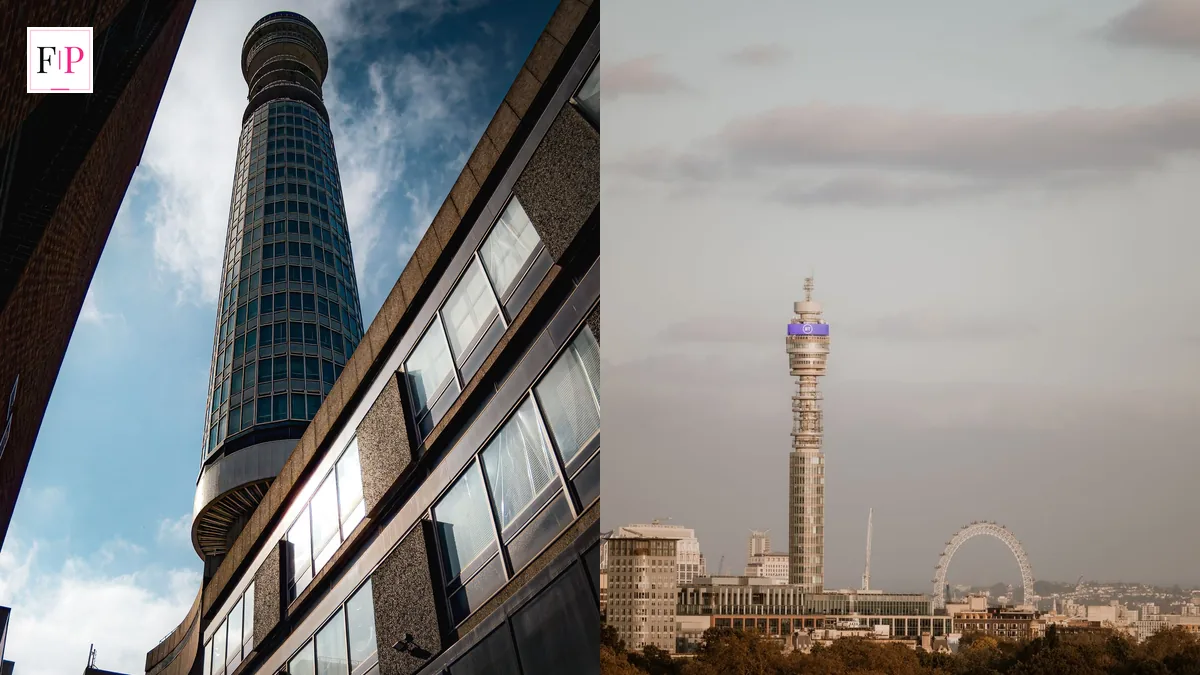
BT Share Price: Today’s Value, Forecast and Outlook
The BT share price is one of the most watched numbers on the London Stock Exchange, and for good reason. BT Group is the company behind Openreach, EE and the UK’s largest fixed-line broadband network, so its shares act as a barometer for British telecoms as a whole. On Thursday 5 November 2026, the shares were trading at around 240p after a strong rise on the day, following the group’s half-year results. In this article, we explain what the price is, why it moved, what income investors earn from the dividend, and what analysts expect next.
Featured snippet answer: The BT share price was around 240p (239.99p) during trading on Thursday 5 November 2026, up about 3.6% from the previous close of 231.6p, after BT Group reported higher revenue and earnings for the first half of its 2027 financial year. The shares have risen by roughly a third since the start of 2026, from 184.05p on 1 January.
Last Updated: 5 November 2026
BT Share Price Today: The Latest Snapshot
As of the morning of Thursday 5 November 2026, the BT share price stood at approximately 239.99p, equivalent to about £2.40 per share. That marked a gain of 8.39p, or 3.62%, on the previous close of 231.6p. The shares opened at 235.5p and traded in a range between 234.2p and 247.3p during the session, with heavy volume as investors reacted to the morning’s results announcement. Because the price moves throughout the trading day, the exact figure you see will depend on the moment you check it.
BT shares are quoted in pence, not pounds, on the London Stock Exchange under the ticker BT.A. This is standard practice for most UK-listed shares. A price of 240p therefore means £2.40, and a holding of 1,000 shares would be worth about £2,400 at that level, before dealing costs. BT Group’s market value at the current BT share price is roughly £23.6 billion, making it one of the larger companies in the FTSE 100 index of leading UK shares.
It is worth remembering that any price quoted in an article is a snapshot, not a live feed. The London market trades from 8am to 4.30pm on weekdays, and the BT share price can move by several pence in a single session, as it did on 5 November. Readers who need the live figure should check the live BT share price on a market data provider or the London Stock Exchange website directly before making any decision, rather than relying on a figure published hours earlier.
What Is BT Group and Why Its Shares Move
BT Group plc is one of the UK’s oldest and largest telecommunications companies, tracing its roots back to the General Post Office and the creation of British Telecom in the 1980s. Today the group is organised around four main parts: Openreach, which builds and maintains the fibre and copper network used by hundreds of broadband providers; EE, the mobile network; BT Business, which serves companies and the public sector; and the Consumer division, which sells broadband, television and mobile services directly to households under the BT and EE brands, and the performance of all four divisions feeds into the BT share price.
A share price is simply the price at which a single share in a company last changed hands on the stock market. It is set by supply and demand: when more investors want to buy than sell, the price rises, and when sellers outnumber buyers, it falls. For BT, the most important drivers are the pace of its full-fibre broadband rollout, the level of competition from rivals such as Virgin Media O2 and CityFibre, the state of the UK economy, interest rates, and the group’s ability to turn heavy network investment into growing profits and cash.
Because BT spends billions of pounds each year laying fibre cables to homes and businesses, investors pay close attention to how many premises Openreach passes, how many customers connect, and whether the cost of the build is coming down. Good news on any of those fronts tends to lift the BT share price, while delays, rising costs or tougher regulation can push it lower. The dividend also matters a great deal: many BT shareholders hold the stock for income, so any change to the payout is watched closely.
BT Share Price History: From 184p to 240p in 2026
The BT share price has enjoyed a strong year in 2026. The shares began January at 184.05p and have climbed by about a third since then, reaching roughly 240p by 5 November. That gain of more than 30% so far this year compares with a rise of 33.37% over the previous twelve months, according to market data. For a large, established telecoms company, that is a substantial move, and it reflects growing confidence that the fibre investment programme is starting to pay off.
The journey has not been a straight line. In the autumn, the shares dipped as low as 173p, the bottom of the 52-week range, before recovering sharply in late October and early November. The five-day return stood at 12.94% at the time of writing, and the one-month return at 20.6%, showing just how quickly sentiment has turned. Over six months, the shares are up 8.86%, a steadier figure that smooths out the recent volatility.
Look further back and the picture is more mixed. Over ten years, the BT share price is down by about a third, a reminder that the company spent much of the last decade wrestling with pension costs, regulatory pressure and the enormous bill for replacing its copper network with fibre. Long-term shareholders who bought near the highs of the mid-2010s are still waiting to be made whole, even after the strong run in 2026.
| Key fact | Figure (as of 5 November 2026) |
|---|---|
| Ticker / exchange | BT.A, London Stock Exchange |
| Price checked | 239.99p (about £2.40) |
| Previous close | 231.6p |
| Change on the day | +8.39p (+3.62%) |
| Day’s range | 234.2p to 247.3p |
| 52-week range | 173p to 247.3p |
| Market capitalisation | About £23.6 billion |
| Price-to-earnings ratio | About 20 to 22 |
| Dividend yield | About 3.6% |
| Year-to-date return | About +30% |
The table above gathers the headline numbers in one place, but each figure deserves a little context. The price-to-earnings ratio of around 20 to 22 means investors are paying roughly £20 for every £1 of annual profit, which is neither especially cheap nor expensive for a large UK utility-style stock. The market capitalisation of about £23.6 billion is simply the share price multiplied by the number of shares in issue, and it rises and falls with the price every day.
Dividends: What Income Investors Get from BT
For many UK investors, the dividend is the main reason to own BT. The company currently pays a dividend of about 8.32p per share each year, giving a dividend yield of roughly 3.6% at the current BT share price. In plain terms, that means an investor holding £1,000 of BT shares could expect around £36 a year in dividend income, paid in two instalments, although the exact amount depends on the price paid and the dividends actually declared.
The dividend has been rebuilt carefully in recent years after being cut during the pandemic, when BT suspended payments to protect its finances. Recent payments include an interim dividend of 2.45p per share paid in February 2026 and a final dividend of 5.87p per share paid in September 2026. That pattern — a smaller interim payment and a larger final payment — is typical for BT and for many FTSE 100 companies. Income investors should note that dividends are never guaranteed: the board can reduce or suspend them if profits fall or if the fibre build needs more cash.
Whether a yield of 3.6% is attractive depends on what else is available. It is higher than the interest paid by most easy-access savings accounts in 2026, but it comes with risk: the capital value of the shares can fall, and the dividend can be cut. Some investors prefer BT’s yield combined with the prospect of modest growth, while others prefer higher-yielding shares in sectors such as banking or energy. The right choice depends on an individual’s income needs, tax position and appetite for risk.
What Is Moving the BT Share Price in November 2026
The immediate trigger for the latest rise in the BT share price was the group’s half-year results, published on the morning of Thursday 5 November 2026. BT reported growth in revenue, underlying earnings and customer satisfaction for the first half of its 2027 financial year, and the market responded with one of the strongest single-day gains of the year. Earnings per share for the quarter were reported at 9.70p, and the shares pushed through their previous weekly high during the session.
Beyond the results themselves, several longer-running themes are supporting the shares. The Openreach fibre rollout continues to pass millions of premises, and each new connection adds a long-term revenue stream. Customer satisfaction scores have improved, which matters because happy customers are less likely to switch to a rival. The group has also been working to simplify its operations and cut costs, freeing up cash to invest in the network and to support the dividend.
There are also broader market forces at work. Falling interest rates tend to help companies with large debts, and BT carries substantial borrowings to fund its network build. A stronger pound and a steadier UK economy also help, since almost all of BT’s revenue comes from British customers. On the other hand, competition in broadband remains fierce, with alternative fibre networks offering aggressive prices, and the regulator Ofcom keeps a close eye on the prices Openreach charges rival providers.
BT Share Price Forecast: What Analysts Expect
Forecasts for the BT share price are divided, which is normal for a company in the middle of a major investment programme. According to MarketBeat, the consensus rating among analysts is a Hold, with a consensus price target of about 157p — well below the current price of around 240p. That target suggests many analysts believe the BT share price has risen faster than the underlying earnings justify, at least in the short term. Of 68 analysts tracked by one data provider, 32 rate the shares a Buy, showing that opinion is genuinely split.
It is important to understand what an analyst price target actually is. It is an estimate of where the shares might trade in twelve months’ time, based on forecasts for profits, cash flow and the wider market. Targets are revised constantly as new results arrive, and they are often wrong — sometimes by a wide margin. A consensus target below the current price does not mean the shares must fall; it means that, on average, analysts expect more modest returns from here. Equally, a Buy rating is not a promise of gains.
Investors who follow the BT share price closely tend to watch a few signposts rather than any single forecast. The next set of results, the pace of fibre connections, the trend in the dividend, and any announcements from Ofcom are all likely to matter more than a price target published months ago. Some investors also compare BT with its peers, noting that European telecoms shares have generally been re-rated higher in 2026 as investors rediscover the sector’s steady cash flows.
How to Buy BT Shares in the UK
Buying BT shares in the UK is straightforward, and most investors do it through an online share-dealing account, a stocks and shares ISA, or a self-invested personal pension (SIPP). Holding the shares inside an ISA or SIPP can shelter dividends and capital gains from tax, although tax rules depend on individual circumstances and can change. Before buying, it is sensible to compare dealing charges, platform fees and the cost of holding shares across different providers.
- Choose a platform: Open an account with a UK-regulated broker, ISA provider or pension provider that offers London Stock Exchange shares.
- Search for the ticker: Look up BT.A on the platform to find BT Group plc and confirm you have the right company.
- Check the live price: Look at the current BT share price and the buy and sell quotes, which can differ by a few pence.
- Decide how much to invest: Work out the number of shares you want and the total cost, including dealing charges and stamp duty reserve tax of 0.5%.
- Place your order: Choose a market order for immediate execution or a limit order to buy only at or below a price you set.
- Keep records: Note the price you paid, the date and any charges, so you can track your gain or loss and report it correctly for tax.
New investors should be aware that buying shares involves costs beyond the headline price. UK stamp duty reserve tax of 0.5% applies to most share purchases, and some platforms charge a dealing fee of several pounds per trade plus an annual platform fee. Regular investing plans, where a fixed sum is invested each month, can reduce dealing costs and smooth out the effect of short-term price swings. Never invest money you cannot afford to lose, and never borrow to buy shares.
Risks to Watch Before You Invest
Every investment carries risk, and BT is no exception. The largest risk is the fibre build itself: Openreach is spending billions of pounds, and if the cost overruns or customers connect more slowly than expected, profits and the dividend could come under pressure. Competition is the second major risk, with rival fibre builders and mobile operators all chasing the same customers. Price wars in broadband have squeezed margins across the industry before, and they could do so again.
Regulation is a third risk that is easy to overlook. Ofcom sets the rules under which Openreach operates, including the wholesale prices it can charge other providers. Debt is another factor: BT’s borrowings are large, so higher interest rates increase its financing costs and leave less cash for dividends or investment. Finally, in a recession, households and businesses may cut back on premium broadband and television packages.
None of these risks means BT is a bad investment, but they do mean the BT share price can fall as well as rise. A sensible approach is to treat BT as one part of a diversified portfolio rather than betting everything on a single company. Spreading investments across different sectors and countries reduces the damage if any one holding disappoints. Investors who are unsure should consider speaking to an independent financial adviser before making a decision.
Frequently Asked Questions
What is the BT share price today?
The BT share price was around 240p (239.99p) during trading on Thursday 5 November 2026, up about 3.6% from the previous close of 231.6p. The price moves throughout the trading day, so check a live market data source for the current figure.
What is BT’s stock ticker symbol?
BT Group plc trades on the London Stock Exchange under the ticker BT.A. Its ISIN is GB0030913577. The shares are quoted in pence (GBX), so a price of 240p means £2.40 per share.
Does BT pay a dividend?
Yes. BT pays a dividend of about 8.32p per share per year, giving a dividend yield of roughly 3.6% at the current share price. The dividend is normally paid in two instalments, a smaller interim payment and a larger final payment, but it is not guaranteed.
Why did the BT share price rise on 5 November 2026?
The shares rose after BT Group published its half-year results for the 2027 financial year on the morning of 5 November 2026, reporting growth in revenue, earnings and customer satisfaction. Earnings per share for the quarter were reported at 9.70p.
What is the BT share price forecast?
Analysts are divided. The consensus rating is a Hold, with a consensus price target of about 157p according to MarketBeat, well below the current price of around 240p. However, 32 of 68 analysts tracked by one provider rate the shares a Buy, so forecasts vary widely and are often revised.
How can I buy BT shares in the UK?
You can buy BT shares through an online share-dealing account, a stocks and shares ISA or a self-invested personal pension (SIPP) using the ticker BT.A. You will pay the live market price plus stamp duty reserve tax of 0.5% and any dealing charges your platform applies.
Conclusion
The BT share price tells a story of a company in the middle of a turnaround. At around 240p on 5 November 2026, the shares have risen by roughly a third since the start of the year, helped by strong half-year results and growing confidence in the fibre rollout. The dividend yield of about 3.6% gives income investors a reason to hold, while the split among analysts is a reminder that the road ahead is not without risk. Whatever happens next, the price will keep moving with each set of results, each regulatory decision and each twist in the broadband market.
If you found this guide useful, bookmark this page and check back for updates, and explore more of our Business coverage for the latest news on FTSE 100 companies and UK markets. Remember that the figures in this article were checked on 5 November 2026 and will change — always confirm the live BT share price before you buy or sell. This article is for information only and is not financial advice.
Sources: LSE.co.uk: BT (BT.A) share price information and MarketBeat: BT Group (LON: BT.A) share price and analysis. Market data also cross-checked against Finnhub market data for BT.A on 5 November 2026.
