


Last Updated: 14 November 2026
Kanes Foods entered administration on Monday 9 November 2026, and the Evesham salad supplier stopped trading on the same day, with all 662 staff made redundant without warning. Five days on, the story is still developing, not because the factory has reopened, but because the human cost is only now becoming clear. Local MP Nigel Huddleston spoke to BBC Hereford & Worcester on Friday 13 November, calling the closure devastating news so close to Christmas, and local employers have begun offering work to the staff who lost their jobs overnight. This guide brings together what happened to the Evesham firm, why a business with around £83 million in turnover collapsed, what it means for the supermarkets it supplied, and what help is available to the workers affected. Every fact here is dated, and every key detail is sourced from the administrators, PwC, or the reporting that followed. For the families affected, the timing could hardly be worse, with Christmas only six weeks away.
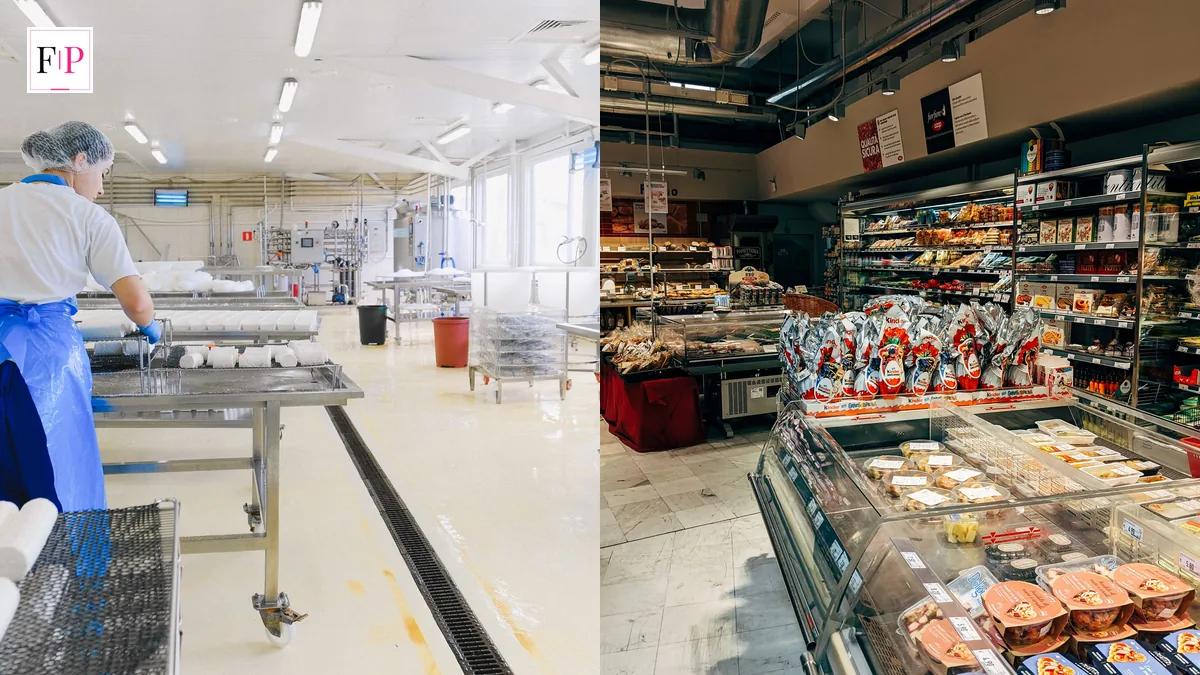
Kanes Foods was a Worcestershire food manufacturer that made pre-packed salads, stir-fry mixes, noodles and dressings for Aldi, Lidl, Iceland and Asda. Founded in 1990, it entered administration on 9 November 2026 after a wastewater plant failure in 2025 and drought in 2026 left it unable to keep trading, and all 662 staff at its Evesham site were made redundant.
What Happened to Kanes Foods on 9 November 2026
On Monday 9 November 2026, Kanes Foods Limited entered administration. Timothy Andrew Higgins, Edward Williams and Helen Wheeler-Jones of PwC were appointed as joint administrators, and trading ceased with immediate effect. Every one of the 662 people employed at the company’s refrigerated site in Middle Littleton, Evesham, was made redundant on the same day.
The speed of it is what shocked people most. Staff arrived for work at a factory that had been trading for 36 years and left without a job, with no phased wind-down and no consultation period. In late October, the company was still advertising for a learning and development administrator at the Evesham site.
The company’s website has also ceased operating and its social media pages appear inactive, according to The Sun’s reporting on the collapse.
Some early reports put the number of jobs lost at around 600. The formal figure from PwC is 662, and that is the number used throughout this article. The administrators have said they will support affected employees in making claims to the Redundancy Payments Service, which is the government scheme that pays statutory redundancy and other money owed when an employer goes into administration.
The administration also covers an associated property company, Littleton Property Services Limited. The PwC administration notice for Kanes Foods sets out the appointment, the immediate closure and the support being offered to staff. It is the primary source for the facts in this section.
Why Did Kanes Foods Collapse?
Kanes Foods did not collapse because of one bad week. The administrators said the company had faced significant financial and operational challenges over several years, and two separate blows in 2025 and 2026 pushed it past the point of recovery. Understanding those two blows explains why a long-established supplier with major supermarket customers could still fail.
The wastewater plant failure of June 2025. The company’s on-site wastewater treatment plant failed in June 2025, disrupting operations and costing around £2 million in one-off expenses, as well as a lasting increase in day-to-day operating costs. For a fresh-food business working on thin margins, that is a heavy burden to carry.
The drought of August 2026. In August 2026, drought-related supply issues hit trading during the company’s busiest season. Summer is when salad sells, and the summer of 2026 was England’s hottest on record. Drought cut the supply of the fresh vegetables it needed and pushed up the price of what was available. A salad business that cannot get enough affordable fresh produce in its peak months is in serious trouble.
Behind those two events, the administrators pointed to continued losses, negative cash flow and uncertainty over future demand. The directors had explored refinancing and new funding, and a fast-track sale process began in mid-September 2026, but no buyer came forward and administration became the only option left.
- June 2025: wastewater treatment plant fails, costing around £2 million and raising operating costs for good.
- August 2026: drought disrupts fresh vegetable supplies in the busiest part of the year.
- Mid-September 2026: a fast-track sale process starts, but no buyer is found.
- 9 November 2026: PwC is appointed, trading stops, and all 662 staff are made redundant.
Kanes Foods Timeline: From 1990 to Administration
The story of the company runs for 36 years, from a small fresh-food specialist to one of the largest employers in the Vale of Evesham. Here is how it unfolded.
- 1990: Kanes Foods is founded. Dr John Randall founds the company as a specialist in short-shelf-life fresh foods, making washed salads, stir-fry mixes, noodles and dressings.
- 1990s to 2010s: the business grows into a supermarket supplier. Kanes Foods builds its reputation on pre-packed salads, salad bowls, stir-fry products and sauces, supplying several major UK supermarket chains from its Evesham site.
- Year to 31 March 2025: a profitable year on paper. Companies House accounts show turnover of around £82.5 million, up 3.2% on the year before, with operating profits steady at around £2 million.
- June 2025: the wastewater plant fails. The failure costs around £2 million and leaves the company with permanently higher operating costs.
- August 2026: drought hits supply. Drought-related disruption affects trading during the company’s busiest summer season.
- Mid-September 2026: a sale is attempted. A fast-track sale process begins, but no buyer agrees to take the business on as a going concern.
- 9 November 2026: administration. PwC is appointed, trading ceases immediately, and all 662 employees are made redundant.
- 10 to 13 November 2026: the response begins. The local MP speaks out, the council and the Department for Work and Pensions step in, and local food businesses offer jobs to former staff.
That timeline holds a warning for anyone who follows British business news. A company can look healthy in its last set of accounts and still be only months from collapse: the accounts to March 2025 showed a profit, yet the wastewater bill alone was worth more than four times the company’s entire net assets.
What the Collapse Means for Aldi, Lidl, Iceland and Asda Shoppers
Kanes Foods supplied pre-packed salads, stir-fry products and sauces to Aldi, Lidl, Iceland and Asda, so the first question many shoppers asked was whether supermarket shelves would go empty. The honest answer, five days on, is that no shortages have been reported. The big supermarkets buy from many suppliers, and they have had several days to shift orders elsewhere.
That said, the closure still matters for shoppers. The firm specialised in short-shelf-life fresh food, the kind of product that cannot sit in a warehouse for weeks. When a supplier of that size disappears overnight, supermarkets must find new sources at short notice, which can mean changes to ranges, pack sizes or prices on some lines. None of the four supermarkets has announced specific product changes, and shoppers should not expect empty salad aisles.
The bigger risk sits further up the chain. Nigel Huddleston has warned of knock-on effects on other businesses in the supply chain, and local growers who supplied the factory with fresh produce now need to find new buyers for their crops. A factory that bought vegetables from farms across the Vale of Evesham every week was a reliable customer for those growers. Losing it at short notice, just as winter sets in, is a real problem for small producers who cannot easily replace that volume.
For the supermarkets, the lesson is about concentration. A single supplier handling millions of bags of salad a week is efficient while it works and a serious gap when it stops. Expect the big grocers to spread fresh-food orders more widely in future, even if that means slightly higher costs.
What Happens Next for the 662 Kanes Foods Workers
The 662 people who lost their jobs at the Evesham factory did so with no prior notice, and many households in and around Evesham had two or three family members working at the plant. Help is now coming from several directions at once, and former staff should know what is available. Here are the five steps to take.
- Claim through the Redundancy Payments Service. The joint administrators are supporting affected employees in making claims for statutory redundancy pay and other money owed. This is the first and most important step, and the administrators are the point of contact.
- Contact JobCentre Plus in Evesham. Nigel Huddleston has said he is working with JobCentre Plus in Evesham and others to help affected workers find new employment. JobCentre Plus can help with benefit claims and the job search.
- Check what benefits you can claim. Workers who have lost their jobs may be able to claim Universal Credit or other support while they look for work. Our guide explains the Universal Credit £325 payment claims that have been circulating, and what support is genuinely available.
- Talk to local employers who are hiring. Other local food producers and packagers have already offered jobs to former Kanes Foods staff. Primafruit, based at Vale Business Park, held a drop-in session for affected workers to discuss employment opportunities. The MP has acknowledged that these offers will not replace all 662 jobs at once, but they are a real start.
- Get help from the council and support agencies. Wychavon District Council has confirmed it will work alongside the administrators, the Department for Work and Pensions and other support agencies to help employees affected by the collapse.
One thing former staff should not do is wait. Redundancy claims, benefit applications and job applications all move faster when started early, and support is greatest in the first weeks after a closure. Losing a job in November, with Christmas six weeks away, puts real pressure on family budgets, which is why the help being organised now matters so much.
A Profitable Business That Still Failed
The most surprising fact about the company is that it was making money. Its last published accounts, for the year to 31 March 2025, showed turnover of £82.5 million and operating profit of around £2 million. The directors’ forecasts ran to March 2027, and the board concluded the accounts could be prepared on a going concern basis. A year later, the company was gone.
How does a profitable business collapse? Profit and cash are not the same thing. The firm was still cash-generative in the first half of 2026, according to the administrators, and then spiralled into negative cash flow. The £2 million wastewater bill wiped out a year’s profit in one go, and the higher running costs that followed ate into every month after that, before the drought hit the company’s busiest season.
Put together, those pressures meant the business was losing money and burning cash, even though its last accounts looked healthy. Supermarket pricing added to the squeeze: fresh-food suppliers work to prices set by the big grocers, and they cannot simply pass higher costs on to shoppers. When costs rise and prices cannot, margins vanish. That is the trap the firm fell into, and it is a trap other food suppliers will recognise.
There is a wider point here for anyone watching British business. The collapse of G Network into administration shows the same pressures hitting British firms, but the pressures on a Worcestershire salad factory are local and physical: a broken treatment plant, a dry summer, a supermarket price that will not move. Big-company failures tell one story about the economy, and a factory closure in Evesham tells another. Both are worth watching.
What Kanes Foods Means for the UK Food Industry
The collapse of Kanes Foods is not an isolated event. UK food manufacturers have faced rising energy costs, higher wages, extreme weather and supermarkets reluctant to raise shelf prices in recent years. Fresh produce is among the hardest-hit areas, because it is seasonal, perishable and exposed to the weather in a way packaged goods are not.
Three lessons stand out from this collapse. First, infrastructure matters: a single equipment failure at a treatment plant cost £2 million and permanently raised the company’s costs. Second, weather is now a business risk, not just a farming problem: the drought of August 2026 hit a salad maker in its peak season, and the summer of 2026 was England’s hottest on record. Third, thin margins leave no room for error: a business making £2 million of profit on £82.5 million of sales has almost no cushion when two bad events arrive in two years.
The industry will also be watching what happens to the Evesham site. It is not yet clear whether any part of the business will be sold, and the administrators have not said whether a buyer might take on the factory, the equipment or the customer contracts. For now, the site is closed and the future of the factory is an open question.
For the Vale of Evesham, the loss goes beyond one factory. Kanes Foods was one of the largest employers in the constituency and a major part of the local economy for many years. Its closure affects growers, hauliers, packaging suppliers and the shops and services that its workers used every day. Recovery will take time, and it will depend on other local employers growing fast enough to absorb hundreds of skilled food-production workers.
Kanes Foods survived for 36 years, supplied four of Britain’s biggest supermarkets, and still made a profit in its last full year of trading. Its collapse shows how quickly a solid business can fail when a broken plant, a dry summer and a failed sale arrive together. The workers, the growers and the town of Evesham are now dealing with the consequences, five days after the news broke. If you were affected, start your redundancy claim with the administrators, speak to JobCentre Plus in Evesham, and talk to the local employers already offering work. Follow FamePost for updates as this story develops.
When did Kanes Foods enter administration?
Kanes Foods entered administration on Monday 9 November 2026. Timothy Andrew Higgins, Edward Williams and Helen Wheeler-Jones of PwC were appointed as joint administrators, trading ceased immediately, and all 662 employees at the Evesham site were made redundant on the same day.
How many jobs were lost at Kanes Foods?
662 jobs were lost when the company entered administration. All employees at the Evesham site in Worcestershire were made redundant with no prior notice. Some early reports rounded the figure to around 600, but PwC confirmed the formal total as 662.
Why did Kanes Foods collapse?
Kanes Foods collapsed after a wastewater treatment plant failure in June 2025 cost around £2 million and permanently raised operating costs, followed by drought-related supply disruption in August 2026 during its busiest season. The administrators also cited continued losses, negative cash flow and uncertainty over future demand, and a fast-track sale process that began in mid-September 2026 found no buyer.
Which supermarkets did Kanes Foods supply?
The firm supplied pre-packed salads, stir-fry products and sauces to Aldi, Lidl, Iceland and Asda, as well as other major UK supermarkets. No shortages have been reported in stores, as the supermarkets have shifted orders to other suppliers.
Will the business be sold or reopen?
It is not yet clear whether any part of the business will be sold. The fast-track sale process that ran from mid-September 2026 failed to find a buyer for the business as a going concern, and the administrators have not announced any sale of the factory or its assets. The Evesham site remains closed.
What support is available to former workers?
Former workers can claim through the Redundancy Payments Service with support from the joint administrators, get help from JobCentre Plus in Evesham, and claim benefits such as Universal Credit. Wychavon District Council is working with the administrators and the Department for Work and Pensions, and local employers including Primafruit have offered jobs to affected staff.
