



Last Updated: 28 September 2026
If you are searching for flu symptoms 2026, you are not alone. Search interest in the topic has spiked across the UK in late September, just as the country heads into the autumn respiratory virus season.
Flu symptoms 2026 look familiar — a sudden high temperature, an aching body and overwhelming tiredness — but the 2026/27 season is arriving with its own context. The dominant virus of the previous season was a drifted influenza A(H3N2) variant, and UK health officials have updated this autumn’s vaccine to match the strains expected to circulate.
In this guide we break down the official NHS symptom list, the typical onset timeline, how to tell flu from a cold or COVID-19, and exactly when to seek medical help. It is written for readers in the UK and follows current guidance from the NHS and the UK Health Security Agency (UKHSA).
Whether you are checking symptoms for yourself or for a child, recognising flu symptoms 2026 early means faster rest, fewer infections passed on, and clearer decisions about when to call for help.
Quick answer: According to the NHS, flu symptoms 2026 come on very quickly and include a sudden high temperature, an aching body, feeling tired or exhausted, a dry cough, a sore throat, a headache, difficulty sleeping and loss of appetite. Flu hits harder than a cold and can leave you too unwell to carry on as normal.
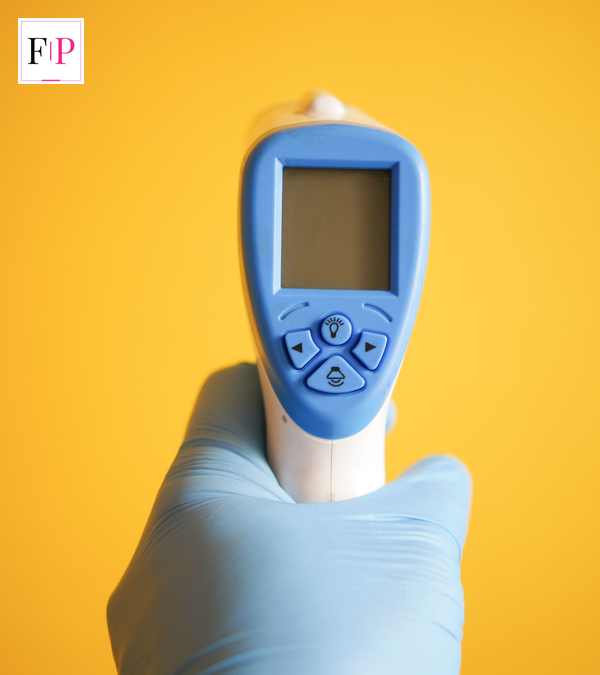
What Exactly Are Flu Symptoms 2026?
Influenza (flu) is an infectious viral illness caused by influenza viruses that attack the nose, throat and lungs. It is not the same as the common cold, even though the two share several symptoms.
Flu is caused by a different group of viruses, its symptoms tend to be more severe and they last for longer.
The NHS states that flu symptoms 2026 “come on very quickly” — often within a matter of hours. That speed of onset is one of the most reliable clues that you are dealing with flu rather than a cold.
You can catch flu all year round, but in the UK it is especially common in the winter months, typically October to March.
Why does flu make you feel so rough? The virus triggers a strong immune response.
Your body’s defences release inflammatory chemicals that cause fever, muscle aches and fatigue as they fight the infection. That is why flu feels like a whole-body illness rather than just a stuffy nose — and why flu symptoms 2026 can floor even healthy adults within hours.
The Full List of Flu Symptoms 2026 (NHS Guidance)
The NHS flu page lists the following symptoms of flu. You may experience some or all of them, and their severity varies from person to person:
- a sudden high temperature
- an aching body
- feeling tired or exhausted
- a dry cough
- a sore throat
- a headache
- difficulty sleeping
- loss of appetite
The NHS notes that the symptoms are similar for children, but they can also get pain in their ear, sore eyes and swollen glands, and may appear less active than usual. Some NHS sources also list diarrhoea or tummy pain and feeling or being sick, which can occur in some cases.
These extra signs are easy to miss, so parents checking flu symptoms 2026 in children should watch for ear pain and unusual tiredness too.
The single most distinguishing feature of flu symptoms 2026 is how they strike: sudden, within hours, and hard. Many people describe feeling fine in the morning and floored by the evening.
If your symptoms crept in gradually over a day or two and mainly affect your nose and throat, you are more likely dealing with a cold.
How Quickly Do Flu Symptoms 2026 Appear? The Onset Timeline
Understanding the timeline of flu symptoms 2026 helps you spot the illness early and protect the people around you. Here is what typically happens:
- Days 1–4 after exposure (incubation): The virus is multiplying but you feel normal. You can already be becoming infectious towards the end of this window.
- Onset (within hours): Symptoms hit suddenly — a sharp rise in temperature, spreading aches and a wave of exhaustion. This is the hallmark of flu.
- Days 1–3 of illness: Usually the worst phase. High fever, severe body aches, headache and dry cough dominate. This is also when you are most infectious — the NHS says you are most likely to give flu to others in the first 5 days after becoming infected.
- Days 4–7: Fever typically breaks and aches ease. Many people start to feel human again, though tiredness can linger.
- After 7 days: Most people are recovered. The NHS advises seeking medical help if your symptoms have not improved after seven days. A dry cough and lingering fatigue can take a little longer to clear completely.
To reduce the risk of spreading it, the NHS advises washing your hands often with warm water and soap, covering your mouth and nose with a tissue when you cough or sneeze, and binning used tissues as quickly as possible.
Flu vs Cold vs COVID: How to Tell the Difference
Confusion between flu, a common cold and COVID-19 is one of the biggest reasons searches for flu symptoms 2026 are surging. The NHS draws a clear line between flu and a cold, and NHS trusts publish symptom lists for COVID-19 too.
The comparison below starts with the NHS’s own cold-versus-flu table, then adds COVID-19 based on NHS trust guidance.
| Feature | Flu | Common cold | COVID-19 |
|---|---|---|---|
| Onset | Very quick — within hours | Gradual — over 1 to 2 days | Gradual — over several days |
| Severity | Severe; can leave you too unwell to carry on as normal | Mild to moderate; you can usually keep going | Often mild, but can be severe in vulnerable people |
| Area affected | More than just your nose and throat — whole body | Mainly your nose and throat | Can affect the whole body; loss of taste or smell is a distinctive sign |
| Fever | Sudden high temperature — very common | Uncommon | High temperature or shivering — common |
| Body aches | Very common and often severe | Rare | Common — aching body listed by NHS trusts |
| Exhaustion | Feeling tired or exhausted — very common | Sometimes, but mild | Feeling tired or exhausted — common |
| Cough | Dry cough | Mild cough | New, continuous cough — a key symptom |
| Loss of taste or smell | No | No | Yes — loss or change to sense of smell or taste is a distinctive COVID sign |
The NHS puts the cold-versus-flu distinction this way: “Cold and flu symptoms are similar, but flu tends to be more severe.” The tell-tale sign of flu is feeling exhausted and too unwell to carry on as normal — with a cold, you feel unwell but still well enough to do your normal activities. That exhaustion gap is what makes flu symptoms 2026 so disruptive to daily life.
COVID-19, according to NHS trusts such as Royal Free London, can include a high temperature or shivering, a new continuous cough, a loss or change to your sense of smell or taste, shortness of breath, tiredness, an aching body, a headache, a sore throat, a blocked or runny nose, loss of appetite, diarrhoea, and feeling or being sick. The loss or change of taste and smell is the symptom that most clearly points towards COVID-19 rather than flu or a cold.
If you are unsure which illness you have, speak to a pharmacist or your GP — do not just guess.
When to Contact Your GP or Call NHS 111
Most healthy adults recover from flu without medical help. But the NHS says you should ask for an urgent GP appointment or get help from NHS 111 if you or your child have flu symptoms and any of the following apply:
- you are worried about your baby’s or child’s symptoms
- you are aged 65 or over
- you are pregnant or have recently given birth
- you have a long-term medical condition — for example, diabetes or a condition that affects your heart, lungs, liver, kidneys, brain or nerves
- you have a weakened immune system — for example, because of chemotherapy or HIV
- you feel very unwell
- you feel short of breath
- your symptoms have not improved after 7 days
You can call 111 or use 111 online for advice. For emergencies, the NHS says to call 999 or go to A&E if you get sudden chest pain or start coughing up blood.
Severe difficulty breathing — gasping, choking or not being able to get words out — is also a 999 emergency. Do not drive yourself to A&E; ask someone to drive you or call 999 for an ambulance.
One more red flag worth knowing: flu can sometimes lead to complications such as pneumonia, which is why chest symptoms, breathing trouble and coughing up blood are always treated as urgent.
As NHS guidance stresses, if something feels seriously wrong, trust your instincts and seek help — you will never be criticised for checking. Not every case of flu symptoms 2026 needs a clinician, but any red flag on the list above does.
Who Is Most at Risk From Flu Symptoms 2026?
Flu is unpleasant for anyone, but it can be genuinely dangerous for certain groups. The people most at risk of serious complications include:
- adults aged 65 and over
- pregnant women and those who have recently given birth
- children under 5, particularly babies and toddlers
- people with long-term conditions such as diabetes, heart, lung, kidney, liver or neurological disease
- people with weakened immune systems, for example due to chemotherapy, HIV or long-term steroid medication
- people with a very high body mass index (BMI)
If you fall into one of these groups, it is worth knowing your personal plan before flu season arrives. Keep your GP surgery’s number to hand and know how to reach NHS 111.
The vaccine is offered every year in autumn or early winter to adults and children at higher risk. For people in these groups, even mild-seeming flu symptoms 2026 deserve a prompt call to the GP or 111.
If you have flu symptoms 2026 and you are in close contact with an elderly relative, a newborn or someone undergoing treatment such as chemotherapy, stay away until your symptoms have settled — you are most infectious in the first few days.
Self-Care: 7 NHS-Backed Steps to Recover Faster
There is no quick cure for flu — antibiotics do not work because flu is caused by a virus, and GPs do not recommend them for flu.
The seven steps below are the NHS’s standard advice for managing flu symptoms 2026 at home, and they genuinely help you recover more quickly. Follow them in order:
- Rest and sleep. This is the single most important step. Your body fights the virus best while you are resting, so cancel your plans and get to bed.
- Keep warm. Flu can make you feel hot, cold or shivery. Layer up, use extra blankets and avoid draughty rooms.
- Take paracetamol or ibuprofen to lower your temperature and treat aches and pains. Check the packaging or leaflet for the correct dose — and for children, make sure the medicine is suitable for their age, or ask a pharmacist. Do not give aspirin to children under 16.
- Drink plenty of water to avoid dehydration. The NHS suggests aiming for urine that is light yellow or clear. Warm drinks such as honey and lemon can also soothe a sore throat.
- Ask your pharmacist for advice. A pharmacist can recommend flu remedies and treatment advice. One important warning from the NHS: do not take paracetamol and flu remedies that contain paracetamol at the same time, as it is easy to exceed the recommended dose.
- Eat little and often. Loss of appetite is normal with flu. Do not force big meals — try small, easy foods such as soup, toast or porridge when you feel like eating.
- Stay home and limit contact. Try to stay at home and avoid contact with other people while you have a high temperature or do not feel well enough for normal activities. Wash your hands often and bin used tissues promptly.
Most people following these steps feel significantly better within a week. If you are not improving after seven days, seek medical advice rather than toughing it out.
UK Flu Season 2026: What Is Happening This Autumn?
Flu season in the UK typically runs from October to March, peaking in the winter months when people spend more time indoors. Search interest in flu symptoms 2026 has been climbing through September, and the NHS’s 2026/27 flu vaccination programme is under way, with most eligible groups able to get vaccinated from early October.
The context this year is worth knowing. The 2025/26 season was dominated in England by a drifted influenza A(H3N2) variant known as subclade K, which drove an unusually early start to the season.
UKHSA data showed that almost all cases were influenza A, with around 84% of typed cases identified as H3N2 where testing was available. Early in that season, UK press reporting quoted Professor Nicola Lewis of the Francis Crick Institute noting the strain’s estimated reproduction number of around 1.4, compared with roughly 1.2 in a typical season.
For the 2026/27 season, the UKHSA has confirmed that all three virus strains in this autumn’s vaccine have been updated — and subclade K is one of the strains the new vaccine protects against. In its autumn 2026 flu guidance, the UKHSA also notes that terms like “super-K strain” and “super flu” are not scientific terms, and that there was no evidence the subclade K variant caused particularly severe illness in those who caught it last season.
The practical takeaway is simple: flu viruses change every year, which is why the vaccine is updated annually. Whatever the circulating strains, recognising flu symptoms 2026 early and resting properly remains the best response.
Recognising flu symptoms 2026 early matters beyond your own recovery. Flu kills thousands and hospitalises thousands more in England each year, according to NHS figures.
Spotting the signs quickly, resting, staying home while infectious and seeking help when red flags appear all help protect you, your family and the NHS during the busiest months of the year.
Bookmark this guide to flu symptoms 2026 and share it with family and friends before winter arrives. If you woke up today feeling fine and now feel floored — sudden fever, aching body, exhaustion — those classic flu symptoms 2026 mean you now know exactly what to do next: rest, hydrate, manage symptoms with paracetamol or ibuprofen, and call 111 if anything on the red-flag list applies to you.
What are the main flu symptoms 2026 according to the NHS?
The NHS lists a sudden high temperature, an aching body, feeling tired or exhausted, a dry cough, a sore throat, a headache, difficulty sleeping and loss of appetite. Symptoms come on very quickly, often within hours.
How can I tell if I have flu or just a cold?
Flu appears within hours, affects more than just your nose and throat, and leaves you exhausted and too unwell to carry on as normal. A cold appears gradually over 1 to 2 days, mainly affects your nose and throat, and lets you keep going with daily activities.
How long do flu symptoms 2026 usually last?
Most people recover within a week. The first 1 to 3 days are usually the worst and also the most infectious period. If your symptoms have not improved after 7 days, the NHS advises seeking medical help.
When should I call NHS 111 about flu symptoms?
Contact your GP or call 111 if you are 65 or over, pregnant or recently gave birth, have a long-term condition or weakened immune system, are worried about a child’s symptoms, feel very unwell or short of breath, or have not improved after 7 days.
What is the best way to treat flu at home?
The NHS advises rest and sleep, keeping warm, taking paracetamol or ibuprofen for fever and aches, drinking plenty of water, and asking a pharmacist for advice. Antibiotics do not work on flu because it is caused by a virus.
Is the flu season 2026 different from previous years?
The 2025/26 season was dominated in England by a drifted influenza A(H3N2) variant called subclade K, which caused an unusually early season. For 2026/27, the UKHSA has updated all three vaccine strains, including protection against subclade K. The symptoms to watch for remain the same.
Disclaimer: This article is for general information only and is not medical advice.
If you are concerned about your symptoms or those of your child, contact your GP or call NHS 111. In an emergency, call 999.
