


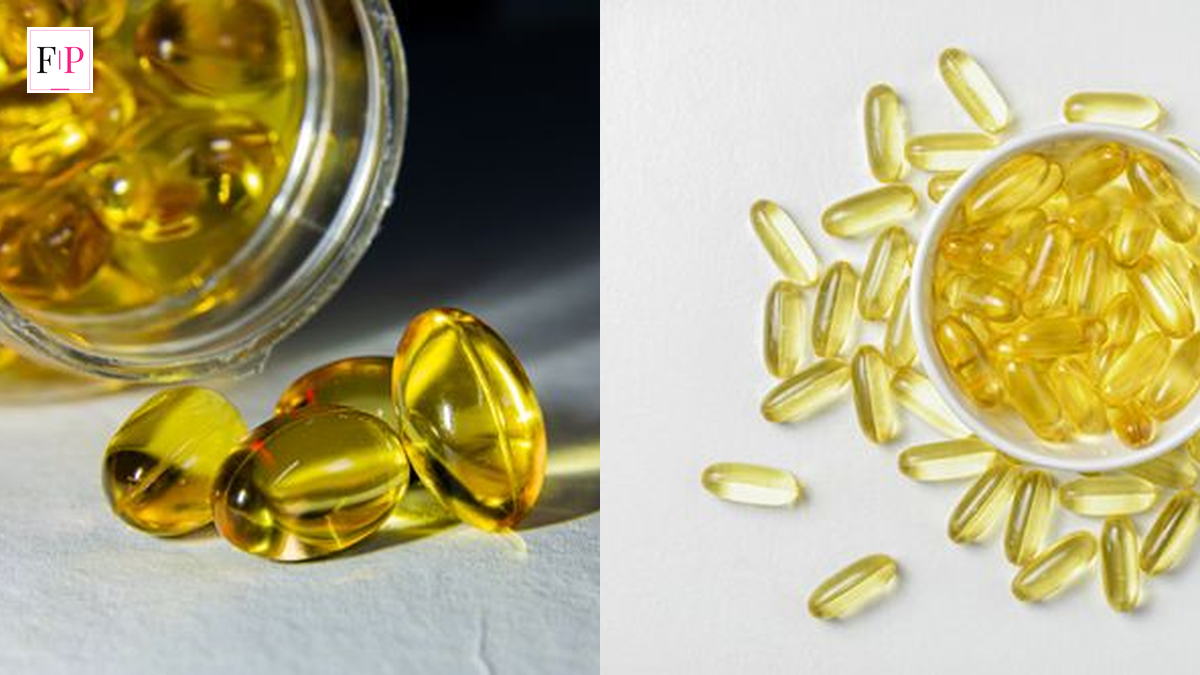
Last Updated: September 22, 2026
Following vitamin D NHS guidance is one of the simplest health wins available to people in the UK right now. As the nights draw in and summer sunshine becomes a distant memory, search interest in vitamin D has surged by roughly 40% week-on-week, with thousands of Britons asking the same question: should I start taking a supplement, and if so, how much? The official answer is refreshingly straightforward, and it costs less than the price of a cup of tea per week.
The short version is that the NHS advises everyone in the UK to consider a daily vitamin D supplement containing 10 micrograms (400 IU) during the autumn and winter months. This is because, from October to early March, the British sun simply is not strong enough for our skin to make enough of this vital nutrient. In this guide we break down exactly what the vitamin D NHS advice says, who needs supplements all year round, how much is safe, where to get it, and how to build a simple autumn plan you will actually stick to.
This is general information based on official UK guidance, not personal medical advice. If you have a health condition, take regular medication, or are unsure what applies to you, speak to your GP or pharmacist before starting any supplement.
What is the vitamin D NHS guidance? The vitamin D NHS guidance advises everyone in the UK to consider taking a daily supplement of 10 micrograms (400 IU) of vitamin D during autumn and winter, when sunlight is too weak for the body to make enough. People at higher risk of deficiency should take the same daily dose all year round.
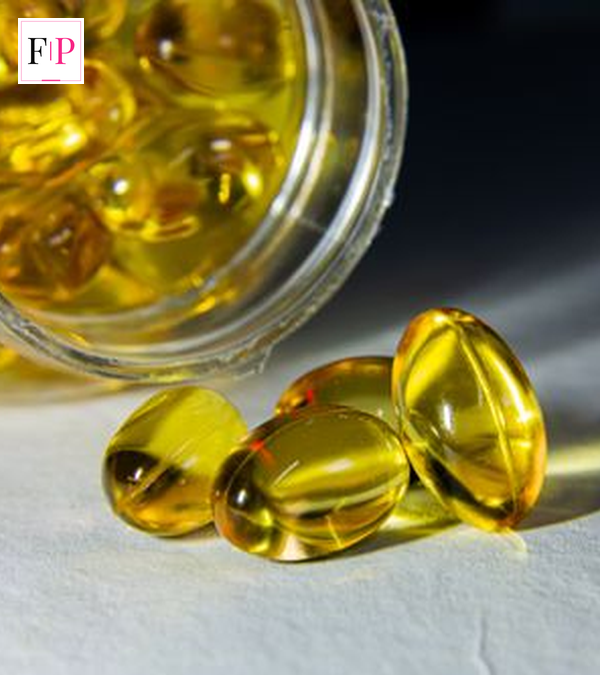
What Vitamin D Actually Does for Your Body
Let us start with the basics, because it helps to know why this small nutrient gets so much attention every autumn. Definition: vitamin D is a fat-soluble vitamin that helps your body absorb calcium and phosphate from the food you eat. Calcium and phosphate are the minerals that keep your bones, teeth and muscles healthy. Without enough vitamin D, your body cannot use them properly, no matter how well you eat.
Most of the vitamin D your body uses is made by the action of sunlight on your skin, not by your diet. When ultraviolet B rays hit uncovered skin, a chemical chain reaction begins that eventually produces the active form of the vitamin. A smaller amount comes from food and, in the darker months, from supplements.
A lack of vitamin D can lead to rickets in children, which causes bone deformities, and osteomalacia in adults, a condition that causes bone pain and muscle weakness. The NHS also notes that severe, long-term deficiency is linked to fractures and problems with muscle strength. These are not rare historical curiosities either — preventable bone conditions linked to deficiency still appear in NHS clinics every year.
There has also been plenty of talk about vitamin D and the immune system, including claims that it protects against colds, flu and COVID-19. The NHS is clear on this point: there is currently not enough evidence to support taking vitamin D solely to prevent or treat COVID-19. Take it for your bones and muscles, which is what the evidence firmly supports, and treat any other claimed benefits as unproven until the science catches up.
Vitamin D NHS Guidance: The Official Advice at a Glance
The official vitamin D NHS guidance is refreshingly simple, which is probably why it has not changed for years. According to the NHS vitamin D page, government advice is that everyone should consider taking a daily vitamin D supplement during the autumn and winter. There is no prescription needed, no blood test required, and no complicated schedule to memorise.
The recommended daily amount is 10 micrograms of vitamin D. A microgram is one thousand times smaller than a milligram, and it is sometimes written as mcg or with the Greek symbol μg. Vitamin D is also measured in International Units, or IU, where 1 microgram equals 40 IU — so 10 micrograms is the same as 400 IU. When you shop for supplements, you will see both units used, so this conversion is worth knowing.
This advice is not just the NHS speaking in isolation. It is based on recommendations from the Scientific Advisory Committee on Nutrition (SACN), the independent expert group that advises the UK government. In a 2026 written answer to Parliament, the government confirmed there were no plans to reassess the current vitamin D recommendations, and restated that everyone should take a 10 microgram (400 IU) daily supplement during autumn and winter. The science behind the advice remains solid.
The SACN set the target using a measure called the population protective level: the blood concentration of vitamin D that 97.5% of people in the UK should reach to protect their musculoskeletal health. The daily 10 microgram supplement is designed to keep you above that line through the months when sunshine cannot do the job.
Who Should Take Vitamin D All Year Round, per Vitamin D NHS Rules
While the vitamin D NHS autumn and winter advice applies to everyone, some groups are advised to take a daily 10 microgram supplement all year round. These are people who are unlikely to make enough vitamin D from sunlight even in the brighter months, or who have higher needs.
- People who are rarely outdoors — for example, those who are frail, housebound, or living in a care home.
- People who cover most of their skin when outdoors, whether for cultural, religious or personal reasons.
- People with dark skin — including those of African, African-Caribbean or South Asian backgrounds — because melanin reduces how much vitamin D the skin makes from sunlight.
- Children aged 1 to 4 years, who should receive 10 micrograms daily throughout the year.
- Babies from birth to 1 year, who need 8.5 to 10 micrograms daily if breastfed, or if formula-fed and having less than 500ml (about a pint) of infant formula a day, since formula is already fortified with vitamin D.
- Pregnant and breastfeeding women, who are included in the 10 microgram daily recommendation.
If any of these descriptions fit you or your family, the year-round recommendation is worth acting on rather than waiting for October. And if you qualify for the Healthy Start scheme, you may be able to get vitamin supplements containing vitamin D for free — it is worth checking your eligibility.
Why Autumn Changes Everything for Vitamin D in the UK
The reason the vitamin D NHS guidance zeroes in on autumn and winter is pure physics. From about late March or early April to the end of September, most people in the UK can make all the vitamin D they need from sunlight on their skin. But between October and early March, the sun sits too low in the sky for its UVB rays to trigger vitamin D production in our skin, however bright the day looks.
This is why search interest spikes every autumn. People feel the shift — shorter days, jumpers back on, lunch breaks spent indoors — and instinctively start asking about supplements. The timing of the official guidance lines up with that instinct: the Department of Health and Social Care advises starting your supplement as the darker months arrive and continuing until early spring.
It is worth understanding that your body cannot simply stockpile a summer’s worth of sunshine and coast through winter. Vitamin D is fat-soluble, so some is stored in body fat and the liver, but those reserves run down over the autumn. By mid-winter, someone relying on summer stores alone is very likely to be running on empty. A cheap daily supplement bridges that gap reliably.
One reassuring fact from the NHS: you cannot overdose on vitamin D through exposure to sunlight. Your skin naturally limits how much it makes. So the spring and summer advice is simply to enjoy sensible time outdoors while protecting your skin from burning, and let the supplement take over when the clocks change.
Signs You Might Be Running Low on Vitamin D
Vitamin D deficiency is often called a silent problem because the early signs are easy to brush off as the general sluggishness of winter. But knowing what to look out for means you can act before a minor shortfall becomes a real health issue. The vitamin D NHS materials point to bone and muscle symptoms as the classic warning signs.
- Bone pain or tenderness, especially in the back, legs or ribs, that does not have an obvious cause.
- Muscle weakness, aches or cramps that make everyday movement feel harder than it should.
- Fatigue and low energy that persist even after a decent night’s sleep.
- Frequent fractures or slow-healing breaks, which can signal that bones have become weaker over time.
- In children, delayed growth or bowed legs, which can be signs of rickets and need prompt medical attention.
Here is an important caution: these symptoms overlap with dozens of other conditions, from thyroid problems to simple overwork. Feeling tired in November does not automatically mean you are deficient, and the NHS does not recommend routine vitamin D blood testing for everyone. The official approach is simpler — if you live in the UK, assume you need the supplement in the darker months rather than waiting for symptoms to prove it.
That said, if you have persistent bone or muscle pain, it is worth booking a GP appointment rather than self-diagnosing. A GP can arrange a blood test if one is clinically needed and rule out other causes. Supplements are a sensible public-health measure, not a substitute for medical investigation when something genuinely feels wrong.
Food Versus Supplements: Can Your Diet Cover It?
It is a fair question: if vitamin D matters this much, why not just eat more of it? The honest answer, and the one the vitamin D NHS advice gives, is that it is very difficult to get enough vitamin D from food alone. Only a small handful of foods contain meaningful amounts.
The best dietary sources the NHS lists are oily fish such as salmon, sardines, trout, herring and mackerel; red meat; egg yolks; liver (though this should be avoided in pregnancy); and fortified foods such as some fat spreads and breakfast cereals. Even eating these regularly, most people will not reach the 10 microgram daily target through diet alone.
One UK-specific quirk is worth knowing: unlike in some other countries, cows’ milk in the UK is generally not fortified with vitamin D, so it is not a reliable source. If you drink plant-based milks, check the label — many are fortified, but not all.
None of this means food does not matter. Oily fish twice a week, eggs at breakfast and fortified cereals all contribute, and they bring other nutrients with them. But think of food as a helpful top-up, not the main event. During autumn and winter, the supplement does the heavy lifting, and your diet plays a supporting role.
How Much Vitamin D Should You Take? The Safe Dosage Table
Getting the dose right matters. Too little leaves you unprotected; too much over a long period can cause real harm. The table below summarises the vitamin D NHS dosage advice for each age group, including the upper safety limits the NHS sets.
| Who | Recommended daily amount | Maximum safe daily amount |
| Adults and children over 4 | 10 micrograms (400 IU); everyone in autumn and winter, at-risk groups all year | 100 micrograms (4,000 IU) |
| Children aged 1 to 4 | 10 micrograms (400 IU) all year round | 50 micrograms (2,000 IU) |
| Babies under 1 year | 8.5 to 10 micrograms daily (if breastfed, or having less than 500ml formula a day) | 25 micrograms (1,000 IU) |
| Pregnant and breastfeeding women | 10 micrograms (400 IU) daily | 100 micrograms (4,000 IU) |
The headline figure to remember is simple: 10 micrograms a day will be enough for most people, in the words of the NHS. The upper limits exist because taking too many vitamin D supplements over a long period can cause too much calcium to build up in the blood — a condition called hypercalcaemia — which can weaken the bones and damage the kidneys and the heart.
A practical tip when shopping: supplement bottles vary wildly in strength, from 10 microgram tablets to high-dose 100 microgram capsules. If you are following the standard vitamin D NHS advice, choose the 10 microgram (400 IU) option and you will not need to do any maths. Higher-dose products are designed for people whose doctors have advised them, not for everyday use.
Also worth noting: if your doctor has recommended a different amount of vitamin D for a specific condition, follow their advice over the general guidance. The population-level recommendation is for the general public; personal medical advice always takes priority.
Your Simple Vitamin D NHS Autumn Plan in 5 Steps
Knowing the guidance is one thing; acting on it is another. Here is a straightforward vitamin D NHS autumn plan you can put in place this week, in about ten minutes, for a few pounds.
- Buy a 10 microgram supplement. Vitamin D3 tablets or capsules are available at every pharmacy and most supermarkets for just a few pounds — often working out at only a couple of pence per day.
- Start now and run it to early March. Late September is the ideal moment to begin, covering the whole October-to-early-March window when the sun cannot help you.
- Take it with a meal. Vitamin D is fat-soluble, so taking it with breakfast or dinner — especially one containing some fat — helps your body absorb it.
- Keep the bottle visible. Next to your toothbrush, your kettle or your keys. The biggest reason supplements fail is simply forgetting, not the science.
- Cover the whole household. Check the doses for children and anyone pregnant, breastfeeding or in a higher-risk group, and make it one shared routine rather than five separate ones to remember.
If you prefer not to swallow tablets, vitamin D sprays and drops work too — the format matters far less than the dose and the habit. Vegans should check the label, since vitamin D3 is traditionally derived from lanolin (sheep’s wool) or fish oil, while vegan-friendly D3 from lichen and D2 options are widely available in UK shops.
The Bottom Line on Vitamin D NHS Advice
The vitamin D NHS guidance is one of the clearest pieces of public-health advice in the country: 10 micrograms a day from autumn through winter, year-round if you are in a higher-risk group. It is cheap, it is safe at the recommended dose, and it protects the bones, teeth and muscles that carry you through the darker months.
With autumn now arriving and searches for vitamin D surging across the UK, there is no better moment to act. Pick up a bottle of 10 microgram supplements on your next shop, set them somewhere you will see them every morning, and let the habit run until the spring sunshine returns. Your future self — the one with stronger bones and fewer winter aches — will thank you.
This article is based on official NHS and UK government guidance and is for general information only. It is not a substitute for personal medical advice. If you have a health condition, take regular medication, are pregnant, or are ever in doubt, speak to your GP or pharmacist before starting or changing any supplement.
What is the vitamin D NHS guidance for autumn and winter?
The NHS advises that everyone in the UK should consider taking a daily vitamin D supplement containing 10 micrograms (400 IU) during the autumn and winter. Between October and early March, the British sun is not strong enough for your skin to make enough vitamin D, and it is difficult to get enough from food alone.
How much vitamin D should I take per day in the UK?
Children from the age of one year and adults need 10 micrograms (400 IU) of vitamin D a day, including pregnant and breastfeeding women. Babies up to one year need 8.5 to 10 micrograms daily. Ten micrograms a day is enough for most people — do not exceed 100 micrograms daily as it could be harmful.
Who needs to take vitamin D all year round?
The NHS and the Department of Health and Social Care advise year-round 10 microgram daily supplements for people who are rarely outdoors (for example, the frail or housebound), people in care homes, those who cover most of their skin outdoors, people with dark skin of African, African-Caribbean or South Asian backgrounds, children aged 1 to 4, and babies having less than 500ml of infant formula a day.
Can I get enough vitamin D from food?
It is very difficult. The NHS lists oily fish such as salmon and mackerel, red meat, egg yolks, liver and fortified foods like some fat spreads and breakfast cereals as the main sources. Because only a few foods contain vitamin D, the NHS advises a supplement during autumn and winter rather than relying on diet. Note that UK cows’ milk is generally not fortified with vitamin D.
What happens if I take too much vitamin D?
Taking too many vitamin D supplements over a long period can cause too much calcium to build up in the body (hypercalcaemia), which can weaken the bones and damage the kidneys and the heart. Adults should not take more than 100 micrograms (4,000 IU) a day. If your doctor has recommended a different amount, follow their advice.
When should I start taking vitamin D in the UK?
Start as autumn arrives — late September is ideal — and continue until early March. From about late March or early April to the end of September, most people can make all the vitamin D they need from sunlight on their skin. People in higher-risk groups should keep taking their 10 microgram supplement throughout the year.
