


Last Updated: 30 September 2026
The UK household energy price rise is about to hit millions of wallets. From 1 October 2026, Ofgem’s price cap climbs 2% to £1,723 a year for a typical dual-fuel household — the third increase in a row. With winter approaching, households across Britain are asking the same question: how do I keep my bills down? In this guide we explain exactly what is changing, why prices are rising again, and five proven ways to beat the increase — from tariff tactics to insulation grants you might not know you qualify for. Whether you pay by direct debit or top up a prepayment meter, here is everything you need to know about the October 2026 price cap rise.
What is the UK energy price cap from October 2026? From 1 October 2026 the Ofgem price cap is £1,723 per year for a typical dual-fuel household paying by direct debit — up 2% (£35) from £1,688. The cap sets the maximum suppliers can charge per unit of gas and electricity and runs until 31 December 2026.
What Is Changing on 1 October 2026?
Ofgem, the energy regulator for Great Britain, sets a price cap every three months. The October–December 2026 cap is £1,723 for a typical household using gas and electricity and paying by direct debit — £35 more than the £1,688 cap it replaces.
Remember: the cap is not a cap on your total bill. It limits the unit rate (pence per kWh) and the standing charge (pence per day). If you use more energy than the “typical” household, you will pay more than £1,723.
| Payment method | Typical annual bill (Oct–Dec 2026) |
|---|---|
| Direct debit | £1,723 |
| Standard credit (pay on bill) | £1,829 |
| Prepayment meter | £1,672 |
The new cap runs from 1 October to 31 December 2026. Ofgem will announce the January–March 2027 cap in late November.
Why Are UK Energy Prices Rising Again?
The UK household energy price rise is driven mainly by wholesale gas costs. Around 40% of Britain’s electricity still comes from gas-fired power stations, so when global gas prices climb, household bills follow.
Analysts point to several factors behind the October increase: tighter global gas supply heading into winter, higher network and policy costs on bills, and the unwinding of previous wholesale price falls. It is the third consecutive quarterly rise, stretching household budgets that never fully recovered from the 2022–23 energy crisis.
Charities warn the rise will push more households into fuel poverty. The End Fuel Poverty Coalition estimates millions already struggle to heat their homes — and October’s increase lands just as heating goes back on.
5 Ways to Beat the £1,723 Price Rise
You cannot change the price cap — but you can change what you pay. Here are five practical steps:
- Fix your tariff — or don’t. Fixed deals are returning to the market, some priced below the cap. Use a comparison site to check whether fixing saves you money — but read the exit fees first.
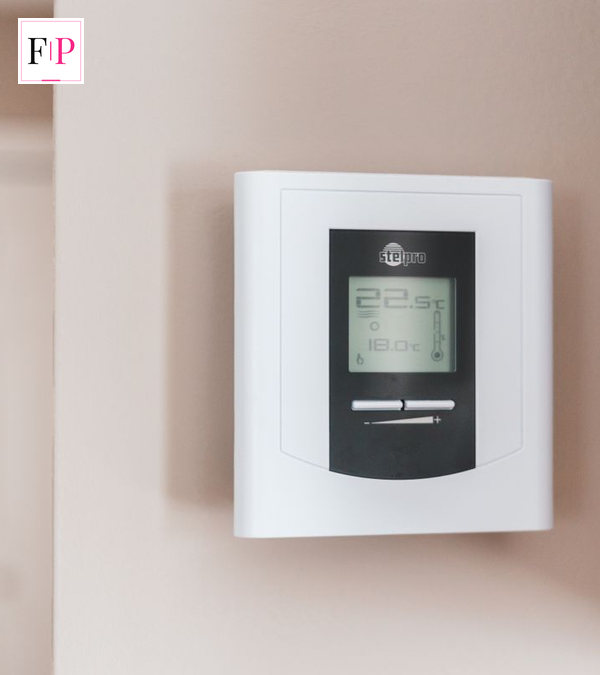
- Cut your usage where it counts. Heating and hot water are the biggest costs. Turning your thermostat down by 1°C can save around £90 a year; shorter showers and full washing-machine loads add up.
- Get a smart meter. Seeing your usage in real time helps you spot waste. Smart meters are free from your supplier and make accurate billing automatic.
- Claim the help you’re owed. The Warm Home Discount (£150 off bills for eligible households), Winter Fuel Payments and Cold Weather Payments all continue. Check GOV.UK to see what you qualify for.
- Insulate and draught-proof. Loft insulation, draught excluders and radiator reflector panels are cheap and pay for themselves fast. Lower-income households may qualify for free upgrades under the Great British Insulation Scheme.
Prepayment Meters: What You Need to Know
If you top up a prepayment meter, your typical bill under the October cap is £1,672 — slightly below the direct debit rate. But prepayment customers cannot spread winter costs across the year, so budgeting for the cold months matters more.
Ask your supplier about switching to direct debit if you can — it is usually the cheapest way to pay. Suppliers must offer payment plans if you fall behind, so contact them early rather than letting debt build.
What Happens Next? January 2027 Predictions
Forecasters are split on January’s cap. Some analysts expect a small fall if wholesale prices ease; others warn winter demand could push the UK household energy price rise further. Ofgem announces the January–March 2027 cap in late November 2026.
Whatever happens, the long-term direction is toward electrification: heat pumps, better insulation and smarter tariffs. Government grants like the Boiler Upgrade Scheme (£7,500 toward a heat pump) remain available for homeowners in England and Wales.
How much is the UK energy price cap from October 2026?
£1,723 per year for a typical dual-fuel household paying by direct debit, up 2% (£35) from £1,688. It applies from 1 October to 31 December 2026.
Why is the UK household energy price rise happening?
Mainly higher wholesale gas costs, which feed into electricity prices because gas-fired stations generate much of Britain’s power. Network and policy costs have also risen. It is the third quarterly increase in a row.
Does the price cap limit my total bill?
No. The cap limits unit rates and standing charges, not your total bill. Heavy users pay more than £1,723; frugal users pay less.
Should I fix my energy tariff now?
It depends. Some fixed deals are currently priced below the £1,723 cap and could save money — but check exit fees and compare carefully before switching.
What help is available with energy bills?
The Warm Home Discount (£150), Winter Fuel Payments, Cold Weather Payments and supplier hardship funds all continue. Check GOV.UK and your supplier’s website for eligibility.
When is the next price cap announced?
Ofgem announces the January–March 2027 cap in late November 2026. Forecasts are mixed, with some analysts predicting a small fall.
Final Thoughts
The UK household energy price rise to £1,723 is unwelcome news as winter approaches — but it is not unbeatable. Compare tariffs, trim wasteful usage, claim every discount you are owed, and insulate where you can. Small steps add up to real savings.
For more money-saving guides and UK business news, follow FamePost.
