


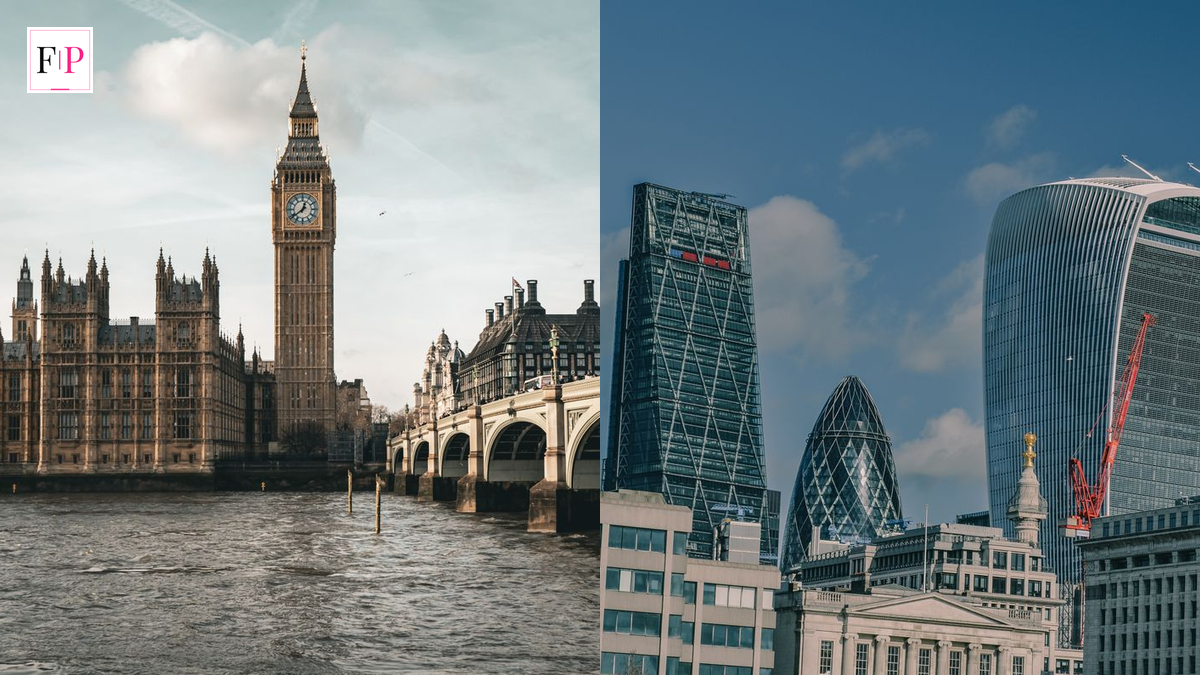
UK Autumn Budget 2026: 7 Things to Know Before 28 October
Last Updated: 24 September 2026
The UK Autumn Budget 2026 is now the single most important date on Britain’s financial calendar. Chancellor John Healey will deliver his first Budget on Wednesday 28 October 2026, and with taxes, energy bills and borrowing costs all under strain, every household and business in the country has reason to pay attention.
Healey confirmed the date in a video message posted on 31 July 2026, just days after he took over at the Treasury from Rachel Reeves. He promised a Budget that would move “money and power out of Westminster, and into every postcode around Britain” — built, he insisted, on fiscal discipline.
This guide explains what the UK Autumn Budget 2026 is, what could be announced on the day, and the practical steps you can take right now to protect your money before 28 October. Nothing here is speculation dressed up as fact: we separate what is confirmed from what is merely rumoured.

The UK Autumn Budget 2026 will be delivered by Chancellor John Healey on Wednesday 28 October 2026. It is the government’s main annual statement on tax and spending, published alongside independent forecasts from the Office for Budget Responsibility. Income tax, VAT and National Insurance rate rises have been ruled out, but speculation over other taxes is intensifying.
What the UK Autumn Budget 2026 Is — and Why This Year Matters
The UK Autumn Budget 2026 is the Chancellor’s annual statement to Parliament setting out the government’s tax and spending plans for the year ahead. It is delivered in the House of Commons, usually just after 12.30pm following Prime Minister’s Questions, and is published alongside an independent economic and fiscal forecast from the Office for Budget Responsibility (OBR).
This year’s statement carries unusual weight: it will be the first Budget of Prime Minister Andy Burnham’s government, which took office on 20 July 2026, and John Healey’s first as Chancellor. Healey arrived at the Treasury with a reputation as a fiscal hawk — he famously resigned as Defence Secretary after a row over defence spending commitments.
The economic backdrop is unforgiving: public debt sits at nearly 100% of GDP, government borrowing costs have been trading at multi-decade highs, and growth has slowed to a crawl. When the Chancellor stands up on 28 October, he will have very little room for giveaways.
The Confirmed Date: Wednesday 28 October 2026
The date was confirmed on 31 July 2026, when Healey posted a video message and wrote to the Treasury Select Committee commissioning the OBR to prepare a full economic and fiscal forecast for publication on the same day — as reported by the BBC. It is the earliest autumn Budget since 2021.
Here are the key dates on the road to Budget Day:
- 31 July 2026 — Chancellor confirms the Budget date and commissions the OBR forecast.
- 9 September 2026 — Deadline for written representations to HM Treasury’s Budget portal (now closed).
- 23 September 2026 — Flash PMI data shows UK business activity cooling and inflation pressure building.
- 28 October 2026 — Budget Day: the Chancellor’s speech, expected shortly after 12.30pm, broadcast live.
- 5 November 2026 — Bank of England interest-rate decision, one week after the Budget.
- 6 April 2027 — Start of the new tax year, when many Budget measures typically take effect.
The UK Autumn Budget 2026 speech will be carried live on BBC Parliament, Sky News and Parliament TV. The Leader of the Opposition responds immediately afterwards, and full Budget documents are published on GOV.UK the same afternoon.
The earlier-than-usual date is deliberate: holding the UK Autumn Budget 2026 in October gives the OBR a formal window to assess the new government’s spending plans against its fiscal rules well before the new financial year, avoiding the long, destabilising speculation that surrounded the November 2025 statement. For planners, that means less time to second-guess — the measures will be known, costed and legislated sooner.
UK Autumn Budget 2026: What Could Be in It
No one outside the Treasury knows the full contents of the UK Autumn Budget 2026 red box yet. But a pattern of confirmed measures, ruled-out options and live speculation has emerged in recent weeks.
Already confirmed:
- A 20% cut to business rates for pubs, clubs and live music venues from April 2027.
- VAT removed from domestic energy bills, cutting costs for households.
- Bus fares capped at £2 in England.
- Mayors to receive a share of income tax revenues for the first time, to invest locally.
Ruled out: Labour’s 2024 manifesto pledge not to raise the main rates of income tax, VAT or National Insurance has been repeated by both Burnham and Healey. Burnham has, however, signalled there is “room for movement” on taxes within those boundaries.
Subject to speculation: capital gains tax rates and reliefs, inheritance tax, property taxation, fuel duty, pension rules and a possible social care levy have all been floated in press reports. None has been confirmed, and ministers have denied several of the wilder claims — including a flat 10% inheritance tax on all estates and a land-value tax to replace council tax and stamp duty.
One theme is already clear: fiscal devolution. Healey has repeatedly said the Budget will move “money and power out of Westminster”, and Burnham’s decision to hand mayors a share of income tax revenues is the first concrete step — while the Chancellor’s five priorities (fiscal discipline, growth in every postcode, backing Britain, wealth creation and making life more affordable) will frame the statement, whatever the detailed measures turn out to be.
Defence will be a flashpoint. The Treasury has reportedly identified an extra £4.7 billion needed to fund the defence investment plan, and Healey’s own history of demanding higher military spending means the question of a path to 3% of GDP will not go away — even if it is deferred to next spring’s Spending Review.
What It Could Mean for Your Household Finances
The biggest stealth tax in Britain needs no Budget announcement at all. Income tax thresholds remain frozen, which means every pay rise quietly drags more of your earnings into tax — a process economists call fiscal drag.
Consider a worker in Manchester earning £49,000 a year: a £2,000 pay rise would push £730 of that increase into the 40% higher rate, costing an extra £292 a year in tax on top of what they already pay. Multiply that across millions of workers, and frozen thresholds raise billions for the Treasury without a single rate changing.
Energy costs are the other pressure point: while the removal of VAT from domestic electricity bills will help, rising wholesale energy prices — partly linked to the escalating war in Iran — are feeding through to prices across the economy. Services firms are now raising their prices at the fastest pace in four months.
Renters and lower-income households may feel the effects fastest, since the £2 bus fare cap and the removal of VAT from domestic energy bills were both designed as quick cost-of-living relief. But with services inflation accelerating, everyday prices — from haircuts to restaurant meals — are likely to keep rising into the autumn, so building even a small buffer of £500 to £1,000 in easy-access savings can stop a surprise bill turning into expensive debt.
Mortgage holders should watch 5 November closely: financial markets are pricing in roughly a 60% chance of a Bank of England rate rise the week after the Budget. If you are on a variable or tracker deal, even a quarter-point move adds around £30 a month to a typical £200,000 mortgage.
Savers, meanwhile, should make sure they are using this year’s ISA allowances before any Budget-day changes to savings taxation are even hinted at. Allowances you do not use cannot be carried forward.
What It Could Mean for UK Businesses
British business is heading into the UK Autumn Budget 2026 in a fragile mood. The S&P Global flash PMI for September fell to 51.7 from 52.5 in August — a three-month low that points to quarterly growth of just 0.1%, down from 0.4% in the second quarter.
“September is seeing a worrying combination of disappointingly sluggish economic growth and intensifying inflationary pressures, with subdued business confidence and high costs meanwhile continuing to discourage hiring.”
Chris Williamson, Chief Business Economist, S&P Global
The survey found services companies — the backbone of the UK economy — facing accelerating cost pressures after energy price rises, and passing them on to customers at the fastest rate in four months. For small firms operating on thin margins, that squeeze is the story of 2026.
The hiring picture is equally cautious: S&P Global reports that subdued business confidence and high costs are discouraging recruitment, which means firms are trying to do more with the staff they already have. For investors, the 10-year gilt yield — the benchmark for government borrowing costs — has been trading at levels not seen for nearly two decades, keeping the pressure on commercial lending rates; against that backdrop, the government’s £150 million northern investment fund looks modest, but it signals where ministers want private money to follow: regional growth projects outside London.
The one confirmed bright spot is the 20% business rates cut for pubs, clubs and live music venues from April 2027, described by ministers as a first step towards wider rates reform. But hospitality leaders want more, calling for VAT on the sector to be cut to 10% amid a wave of closures.
Rumoured Measures vs Confirmed Facts
UK Autumn Budget 2026 speculation season always produces more noise than signal. This table separates what we actually know from what is merely being talked about — check claims against this list before acting on them.
| Measure | Status |
|---|---|
| Budget delivered on 28 October 2026 | Confirmed — announced 31 July 2026 |
| OBR forecast published on Budget Day | Confirmed — commissioned by the Chancellor |
| Rises to income tax, VAT or NI rates | Ruled out — manifesto pledge repeated |
| 20% business rates cut for pubs, clubs and venues | Confirmed — from April 2027 |
| VAT off domestic energy bills | Confirmed — announced |
| £2 bus fare cap | Confirmed — announced |
| Capital gains tax changes | Speculation — not announced |
| Flat 10% inheritance tax on all estates | Speculation — government denied plans |
| Property tax overhaul / land value tax | Speculation — government denied |
| 1.8% social care levy on earnings | Speculation — press reports only |
| Fuel duty changes | Speculation — not announced |
Treat every “leak” about the UK Autumn Budget 2026 between now and 28 October with scepticism. Treasury officials routinely float — and kill — ideas in the press to test the reaction.
Only the Chancellor’s words in the Commons, and the documents published alongside them, should guide your decisions. If a rumoured measure matters to you, prepare for it — but do not act until it is real.
How to Prepare Before Budget Day: 7 Smart Steps
You cannot control what the Chancellor announces — but you can control how ready you are. Work through these seven steps before 28 October:
- Review your tax position now. Understand which allowances and reliefs you are using this tax year, and which expire on 5 April.
- Use your ISA allowance. You can shelter up to £20,000 a year from tax — allowances cannot be carried forward, so use them or lose them.
- Check your pension contributions. Higher earners in particular should review contributions before any rule changes are even rumoured.
- Review how you take income. Company directors should talk to an accountant about the balance of salary and dividends ahead of the new tax year.
- Build an emergency buffer. Aim for three to six months of essential spending — for a typical household, that means £6,000 to £12,000 in easy-access savings.
- Review your mortgage deal. With a possible rate decision on 5 November, check when your fixed deal ends and what remortgaging would cost.
- Do not act on rumours. Avoid irreversible financial moves based on speculation. Wait for confirmed measures, and consider regulated financial advice for big decisions.
Finally, put a Budget Day reminder in your diary for 28 October, and resolve not to make any big financial move in the 48 hours after the speech. Markets and headlines overreact; the detail of the Finance Bill legislation, which follows in the weeks after, is what actually changes your tax bill.
Small business owners should add an eighth step: stress-test your cash flow against a scenario where costs rise another 5–10%. The PMI data shows input costs are climbing — firms that model the squeeze now will not be blindsided later.
When is the UK Autumn Budget 2026?
The UK Autumn Budget 2026 will be delivered on Wednesday 28 October 2026 by Chancellor John Healey. He confirmed the date on 31 July 2026 in a video message and a letter to the Treasury Select Committee. It will be his first Budget and the first of Prime Minister Andy Burnham’s government.
What is the Autumn Budget?
The Autumn Budget is the Chancellor’s main annual statement to Parliament on the government’s tax and spending plans. It is delivered in the House of Commons, usually just after 12.30pm following Prime Minister’s Questions, and is published alongside independent economic and fiscal forecasts from the Office for Budget Responsibility.
Will taxes rise in the UK Autumn Budget 2026?
The government has repeated Labour’s 2024 manifesto pledge not to raise the main rates of income tax, VAT or National Insurance. However, Prime Minister Burnham has signalled “room for movement” on other taxes, and speculation continues around capital gains tax, inheritance tax, property taxes, fuel duty and pension rules. Nothing beyond the manifesto pledge has been confirmed or ruled out.
What has already been confirmed for the Budget?
Several measures are confirmed: a 20% cut to business rates for pubs, clubs and live music venues from April 2027, VAT removed from domestic energy bills, a £2 bus fare cap in England, and mayors receiving a share of income tax revenues for the first time. An OBR economic and fiscal forecast will be published alongside the Chancellor’s speech.
How can I prepare my finances before 28 October?
Review your tax position and use this year’s allowances before 5 April deadlines — including the £20,000 annual ISA allowance. Check pension contributions, review how you take income if you run a company, build an emergency buffer of three to six months’ spending, and review your mortgage deal ahead of the Bank of England’s 5 November rate decision. Avoid irreversible moves based on speculation.
Where can I watch the Autumn Budget 2026 live?
The Budget speech is broadcast live on BBC Parliament, BBC iPlayer, Sky News and Parliament TV (parliamentlive.tv) on Wednesday 28 October 2026, expected shortly after 12.30pm. Full Budget documents are published on GOV.UK the same afternoon, with the OBR forecast released alongside them.
Final Thoughts: Get Ready for the UK Autumn Budget 2026
The UK Autumn Budget 2026 will shape Britain’s tax and spending landscape for the year ahead — and with growth at 0.1%, inflation pressure building and borrowing costs at historic highs, Chancellor Healey has one of the toughest in-trays of any recent Chancellor.
There is also a wider lesson in this year’s run-up to the UK Autumn Budget 2026: the Budget is arriving earlier, the fiscal rules are tighter, and the global backdrop — from energy markets to the war in Iran — is more volatile than at any point in recent years.
Whether you are a homeowner watching mortgage rates, a saver protecting your ISA allowance or a business owner planning next year’s budgets, the next five weeks are your window to get your finances in order. Review your position, use the allowances available to you, and refuse to be panicked by speculation.
Bookmark this page and share it with anyone who needs to prepare — and check back on 28 October for FamePost’s full Budget-day analysis of what the Chancellor actually announced.
