


Last Updated: 15 November 2026
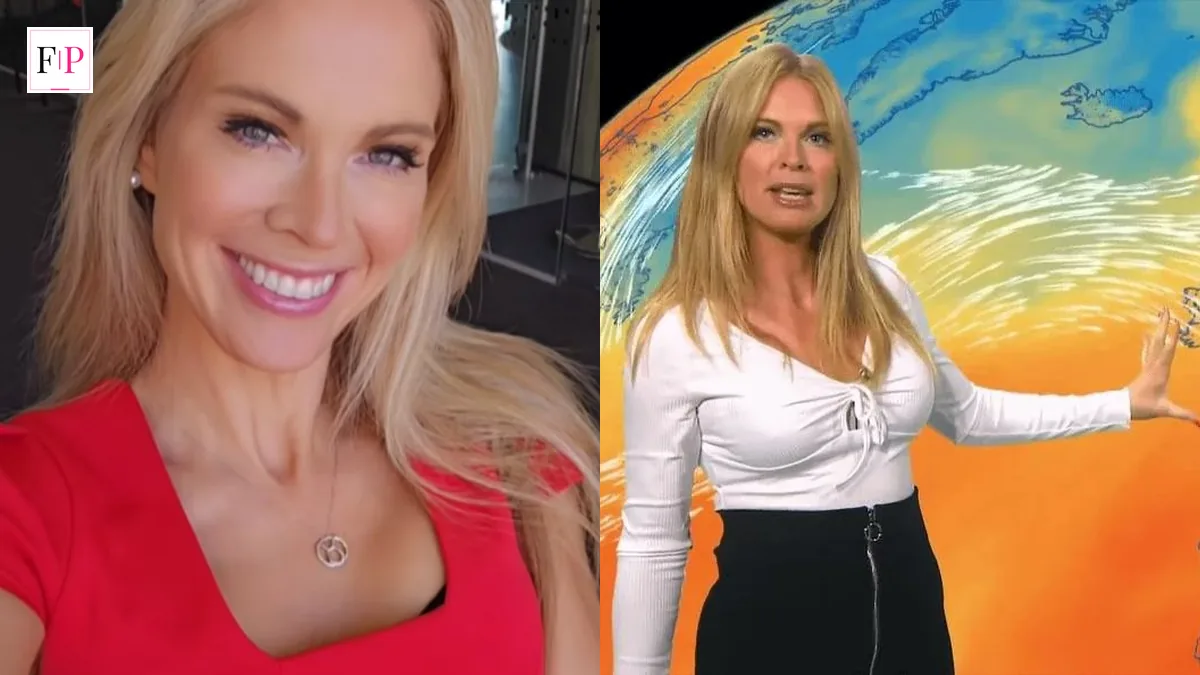
Jo Blythe is a British television weather presenter who has been a familiar face on ITV since 2001, and her calm, clear forecasts have made her one of the most trusted names in British weather broadcasting. For viewers in the North West, she is the voice of the evening forecast on Granada Reports, while millions more have seen her on national ITV bulletins over the past two and a half decades. Her career has spanned regional newsrooms, national studios, daytime television and major storms, yet she has kept a remarkably low profile away from the screen. That changed briefly in January 2026, when she found herself at the centre of a national debate about AI, consent and the misuse of photographs online — a story that brought her work to a much wider audience. In this article, we look at Jo Blythe’s long ITV career, her roles on Granada Reports and national news, her work in 2026, and what happened in the Grok row that made headlines.
Jo Blythe is a British television weather presenter who has worked for ITV since 2001. She is best known for presenting the weather on ITV News Granada and Granada Reports, and she has also presented national ITV weather bulletins. She remains an active ITV broadcaster in 2026.
Who Is Jo Blythe?
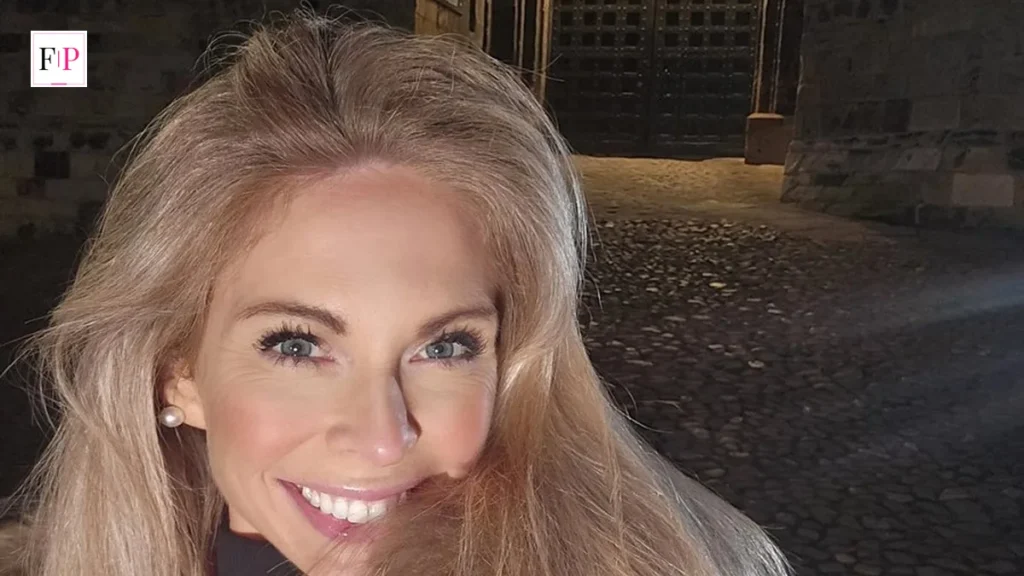
Jo Blythe is a British television weather presenter, and she has spent her whole broadcasting career with ITV. She joined the network’s weather team in 2001, and she is still presenting forecasts a quarter of a century later.
In simple terms, a weather presenter turns complex forecast data into a clear, calm update that viewers can use. Jo Blythe does that job for two audiences at once: the regional viewers of ITV News Granada in the North West, and the national audience of ITV News.
Her name is closely tied to Granada Reports, the regional news programme for the North West. Viewers in Greater Manchester, Lancashire, Merseyside, Cheshire and Cumbria have watched her forecasts for years, and many of them know her voice as well as they know the programme itself.
Beyond the North West, Jo Blythe has also appeared on national ITV weather bulletins and on daytime television. That mix of regional and national work is unusual, and it is one reason her career has lasted so long.
Away from the studio, she keeps her private life largely out of the public eye. ITV’s own profile notes that she is a mother of two, and she shares glimpses of her work on X as @JoBlytheTV and on Instagram as @joannablythe.
Longevity matters in weather presenting, because viewers trust a forecaster they have watched through storms, heatwaves and cold snaps. Jo Blythe has built that trust slowly, one bulletin at a time, over more than 25 years.
Jo Blythe’s ITV Career Since 2001
Jo Blythe began presenting weather for ITV in 2001. That single fact explains most of her career, because very few broadcasters stay with one network’s weather team for over two decades.
Early in her ITV career, she presented forecasts for several regional services, including Yorkshire, Border, Tyne Tees and Calendar, before her long association with Granada took shape. Working across different regions gave her a broad understanding of how weather affects different parts of the country.
Her national work came in stages. She presented ITV National Weather from 2006 to 2008, returned to the national rota in 2018, and has been part of it again from 2021 to the present day. That pattern shows how ITV has called on her whenever it needed an experienced presenter for a wider audience.
She has also appeared on ITV Lunchtime News and ITV Evening News, as well as on GMTV and This Morning. Daytime television reaches a different audience from the evening news, and those appearances introduced her to viewers who might never watch a regional bulletin.
One of her best-known projects away from the forecast was A Brush With the Mersey, a five-part Granada series from 2004 that she co-presented with artist Richard Carman. The series showed a different side of her presenting, built around art, landscape and the River Mersey rather than isobars and rainfall charts.
She is listed among ITV’s on-air weather team, with Granada Reports and ITV National Weather given as her main roles. In August 2026, she looked back on 26 years in the profession, a milestone that underlines just how long she has been explaining Britain’s weather to the public.
Jo Blythe on Granada Reports and ITV News Granada
Granada Reports is the heart of Jo Blythe’s working life. The programme serves the ITV Granada region, covering Greater Manchester, Lancashire, Merseyside, Cheshire and Cumbria, and her forecasts are a regular part of its evening output.
A regional forecast is a different job from a national one. Jo Blythe has to explain what the weather will do street by street, from the Pennines to the coast, rather than giving a broad picture for the whole country. That local detail is exactly what viewers in the North West rely on.
Her forecasts cover the full range of British weather. She explains rain bands moving in from the Atlantic, strong winds, overnight frost, snow, sunny spells and changing pressure systems, always in plain language that works for viewers of every age.
Severe weather is when a regional forecaster earns their keep. Her ITV archive includes forecasts and reporting during major events such as Storm Eunice and thunderstorms that affected the North West, when accurate, calm information mattered more than ever.
Regional viewers build a personal relationship with their weather presenter over time. They see the same face before the same programmes, week after week, and they learn to trust the person as much as the forecast. Jo Blythe has held that trust in the North West for over two decades.
That trust also comes from consistency. Weather presenters who chop and change leave viewers guessing, while a familiar presenter becomes part of the daily routine. For many households in the Granada region, her forecast is the signal that the evening news is under way.
National Weather: ITV Lunchtime News, Evening News and More
Alongside her regional work, Jo Blythe has presented weather on ITV’s national bulletins, including ITV Lunchtime News and ITV Evening News. National forecasts reach millions of viewers, and they demand a different style from a regional bulletin.
A national bulletin has to cover the whole of the United Kingdom in about a minute. The presenter must pick out the weather that matters most, from Scottish frost to Cornish sunshine, and explain it without rushing. It is a tight, disciplined piece of broadcasting.
Her spells on ITV National Weather — from 2006 to 2008, again in 2018, and from 2021 onwards — show that ITV trusts her with that national stage. Not every regional presenter makes the step up, and fewer still are asked back again and again.
The table below sums up how her two main roles compare.
| Role | Audience | Area covered | What it needs |
|---|---|---|---|
| ITV News Granada | North West viewers | Greater Manchester, Lancashire, Merseyside, Cheshire, Cumbria | Local detail, familiar tone |
| ITV National Weather | Viewers across the UK | The whole United Kingdom | Big picture, tight timing |
| ITV Lunchtime and Evening News | National news audience | The whole United Kingdom | Clear headlines, calm delivery |
Daytime appearances on GMTV and This Morning added another string to her bow. Those programmes are looser and more conversational than the news, so they let viewers see her personality as well as her professionalism.
Taken together, the regional and national roles explain why her name is known well beyond the North West. She has been a local favourite and a national broadcaster at the same time, which is a rare combination in British television.
Still Forecasting in 2026: A Career That Keeps Going
Jo Blythe is still an active ITV broadcaster in 2026. ITV published weather articles under her name in February and May 2026, showing that her work now goes beyond the television studio and into written forecasts for online readers.
In February 2026, she explained a change from colder continental air to milder Atlantic air across the UK. In May 2026, she wrote about Arctic air moving south and the cold conditions it brought with it. Both pieces show the same skill she uses on screen: turning a complicated weather pattern into something anyone can understand.
Her online work matters because more viewers now check the forecast on their phones than on television. A written forecast has to work without pictures or a map, so the words alone must carry the meaning. That is a different craft from presenting, and she has taken to it naturally.
When snow was forecast across the UK, her forecasts helped viewers plan around travel disruption and cold nights, as covered in our report on snow across the UK. Winter weather is when a trusted forecaster is most valuable, because the stakes are higher than a ruined picnic.
A television forecast may look simple, but a lot of work goes into each bulletin. The steps below show how a typical ITV weather forecast is put together before it reaches your screen.
- Check the latest data. The presenter studies the newest forecast models, rainfall radar and warnings to see what has changed since the last bulletin.
- Plan the story. The forecaster picks the two or three weather stories that matter most to viewers, such as a cold snap, a storm or a sunny weekend.
- Prepare the graphics. Maps and charts are checked so that the pictures on screen match the words that will be spoken.
- Rehearse the timing. A weather slot may last only a minute, so every sentence is timed to fit the pictures.
- Present live and update online. The bulletin goes out live, and the forecast is then updated on ITV’s website and social channels as the weather changes.
The January 2026 Grok Row: What Happened
The most recent major story about Jo Blythe came in January 2026, and it had nothing to do with the weather. On 8 January, ahead of Storm Goretti, she posted a studio photograph on X — and other users on the platform began prompting Grok, the AI assistant on X, to alter her image without her consent.
She responded publicly the same day, posting a clear message to the AI tool itself. Her words were short, firm and direct, and they were widely shared within hours.
Dear @grok I do not authorise any modification or editing of photographs of me, or my content. Please deny any requests from any third party to use AI to generate images using me in them.
Jo Blythe (@JoBlytheTV), 8 January 2026
The row was covered by Deadline and reported by LADbible on 8 January 2026, with CelebsVibe following on 9 January. Ofcom, the UK media regulator, confirmed it was in contact with X and xAI about the issue.
Jo Blythe was not the only woman to speak out that week. Love Island presenter Maya Jama also posted publicly to ask Grok not to alter her photographs, as covered in our profile of Maya Jama, and radio presenter Jess Davies did the same. The Prime Minister’s spokesperson described the deepfakes as a disgrace, and the government said it would not allow such images to spread unchecked.
The wider issue was serious. Grok had been used to create altered images of women and girls without their consent, and creating explicit deepfake images of someone without consent is a criminal offence under the Online Safety Act. X later restricted Grok’s image tools, limiting them to paying subscribers.
It is worth stating the timing plainly. This happened in January 2026, around ten months before this article was published, and it remains the most recent major story about her. It is not breaking news, but it is the moment when her name reached far beyond the weather audience — and it showed a presenter willing to defend her own image in public.
Her response also mattered because of who she is. A weather presenter is a trusted public figure, and her decision to object in her own words, on her own account, set an example for others facing the same problem. She did not hide behind a statement from her employer, and she did not stay silent.
Life Away From the Weather Map
For someone who has been on television for over 25 years, Jo Blythe has kept her private life remarkably private. ITV’s own profile notes that she is a mother of two, and she has spoken about combining her broadcasting career with family life. Beyond that, she has not put her family in the public eye.
She has not publicly identified a husband or partner, and her marital status has not been confirmed by ITV or by her. This article does not speculate about it, and readers should treat any claim they see elsewhere with care unless it comes from her directly.
The same caution applies to her age. Her exact age has not been officially confirmed by ITV or by any authoritative source. A date of birth circulates on biography websites, but ITV does not publish one, so this article does not state an age or a date of birth as fact.
What is public is her work. Her X account, @JoBlytheTV, and her Instagram account, @joannablythe, focus on her broadcasting, with forecasts, studio pictures and weather updates rather than personal detail. That balance — open about the work, private about the rest — has served her well across a long career.
It is a balance that more public figures are trying to strike today. Social media rewards personal sharing, but it also exposes presenters to unwanted attention, as the January 2026 Grok row showed. Jo Blythe’s approach has been to share the work and keep the rest for herself.
Conclusion
Jo Blythe has presented ITV weather since 2001, building a career that spans Granada Reports, national bulletins, daytime television and online forecasts. She is a regional favourite in the North West and a trusted national broadcaster, and she is still forecasting in 2026 after more than 25 years on screen. Her firm public stand in the January 2026 Grok row showed the same clarity she brings to a forecast: direct, calm and unwilling to be pushed around. For viewers who have watched her for years, that will come as no surprise at all. If you watch ITV News Granada, look out for her next forecast — and share this article with anyone who has ever wondered who the woman behind Britain’s most familiar weather maps really is.
Frequently Asked Questions
Who is Jo Blythe?
Jo Blythe is a British television weather presenter who has worked for ITV since 2001. She is best known for presenting the weather on ITV News Granada and Granada Reports, and she has also presented national ITV weather bulletins.
How long has Jo Blythe presented weather for ITV?
Jo Blythe has presented weather for ITV since 2001, giving her more than 25 years with the network. She has worked on ITV News Granada throughout that time and has also presented ITV National Weather in 2006 to 2008, in 2018, and from 2021 to the present.
Which ITV programmes has she presented weather on?
She is best known for Granada Reports and ITV News Granada. She has also presented weather on ITV Lunchtime News, ITV Evening News and ITV National Weather, and she has appeared on GMTV and This Morning.
What happened in the January 2026 Grok row?
On 8 January 2026, after she posted a studio photo ahead of Storm Goretti, X users prompted the Grok AI tool to alter her image without her consent. She posted publicly that she did not authorise any modification of her photographs. The story was covered by Deadline and LADbible, and Ofcom contacted X and xAI.
How old is Jo Blythe?
Her exact age has not been officially confirmed by ITV or by any authoritative source. A date of birth circulates on biography websites, but ITV does not publish one, so no age or date of birth should be treated as a verified fact.
Is Jo Blythe still presenting ITV weather in 2026?
Yes. She remains an active ITV broadcaster in 2026, presenting for ITV News Granada and national weather coverage. ITV published weather articles under her name in February and May 2026, and she reflected on 26 years in the profession in August 2026.
