


Girls Winter Coat: The UK Parents’ Guide for Winter 2026
Last Updated: 5 November 2026
A girls winter coat is the one item your daughter will wear almost every single day from November to March, through the school run, the playground, weekend walks and every cold snap in between. Get it right and she stays warm, dry and happy whatever the British weather throws at her; get it wrong and you will hear about it every morning. This guide covers everything that actually matters when you buy: warmth, waterproofing, sizing with room to grow, durability, washability and honest high-street prices.
What is the best girls winter coat for the UK? The best girls winter coat for the UK is a warm, waterproof parka or puffer with a hood, a windproof outer and room for a jumper. Buy one size up for growth room, choose a dark colour, and expect to pay around £25 to £60 on the high street.
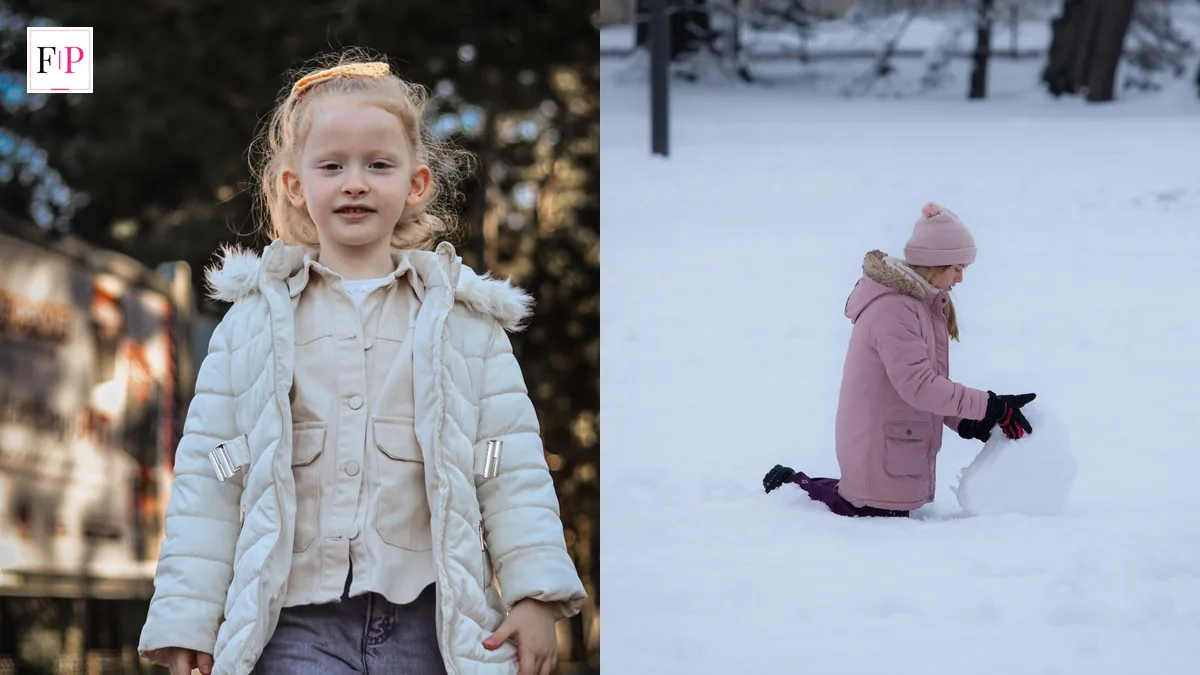
What Is a Girls Winter Coat, Exactly?
A girls winter coat is outerwear made specifically for children, designed to keep a young body warm in cold weather. That sounds obvious, but the definition matters, because a coat made for a child is not simply a smaller version of an adult coat. Children lose heat faster than adults, they run around far more, they fall over in puddles, and they cannot always tell you they are cold until they are already miserable. A proper coat for a child is therefore built around three things: insulation that traps body heat, an outer shell that blocks wind and rain, and a cut that lets a child move, climb and play without restriction.
That is what separates a real winter coat from the lighter jackets that fill the shops in autumn. A pretty jacket with no lining, a thin showerproof mac, or a fashionable wool-blend coat with no hood may look lovely on the hanger, but none of them will keep a child warm on a frosty morning at the school gate. A genuine girls winter coat has a warm lining or padded fill, a fastening that seals out the wind, a hood, and a length that covers the hips. If it does not have those four things, it is not a winter coat, whatever the label says.
British winter makes this definition even more important. Our winters are rarely bitterly cold, but they are wet, windy and changeable, often hovering a few degrees above freezing with rain arriving sideways. A coat that is warm but soaks through in ten minutes is no good on a January school run.
How Warm Does a Girls Winter Coat Need to Be?
Warmth is the first thing most parents ask about, and it is the hardest thing to judge in a shop. A coat can feel thick and still be cold, or feel light and be surprisingly warm. The warmth of a coat comes from three things working together: the fill, the lining and the fit.
Synthetic fill is the most common insulation in children’s coats, and for good reason. It is warm, it keeps insulating when it gets damp, it dries quickly, and it survives the washing machine. Down is lighter and warmer for its weight, but it loses warmth when wet and usually costs more, so it is a less practical choice for a child who plays in the rain. For most UK families, a synthetic-filled girls winter coat is the sensible default.
The lining matters as much as the fill. A fleece lining adds real warmth and feels soft against the skin, while a smooth nylon lining is easier to slide on over a school jumper but adds little heat on its own. Whatever the lining, check that it runs through the body and the sleeves, not just the body: cold arms are one of the first things children complain about.
Fit is the hidden warmth factor. A coat that is too tight squeezes out the layer of warm air trapped between the coat and the jumper underneath, and a child cannot layer up properly. A coat that is far too big lets cold air in at the neck, cuffs and hem. The right girls winter coat fits with a jumper underneath, closes comfortably at the front, and has cuffs that can be tightened and a hem that sits at mid-thigh or below. Longline styles that reach the knee are the warmest choice for children who feel the cold, because they protect the legs as well as the body.
As a rough guide, a lightly padded coat with a fleece lining suits milder days around 8 to 10 degrees. A properly insulated parka or puffer is the right call for frosty mornings, temperatures near freezing, and any day your daughter will be outside for a long stretch.
Waterproofing and the School Run
Rain is the real test of any girls winter coat in the UK. Most children’s coats are described as water-resistant, waterproof or showerproof, and those words mean very different things. Showerproof means the coat will cope with a light drizzle for a few minutes. Water-resistant means it will hold up in steady rain for a while. Waterproof means it is built to keep rain out in heavy, prolonged downpours. For a coat that will face the school run in January, waterproof or properly water-resistant is what you want, not showerproof.
If the label gives a waterproof rating, it will usually be a number in millimetres, such as 3,000mm, 5,000mm or 10,000mm. Higher numbers mean the fabric can withstand more water pressure before it lets rain through. For everyday school and play, a rating of 3,000mm to 5,000mm is generally enough. A rating of 10,000mm is better still and worth looking for if your daughter walks to school or spends a lot of time outdoors. What matters just as much as the number is whether the seams are taped: a coat can have a waterproof fabric and still leak through its stitching, so look for taped or sealed seams on the label.
The hood is part of the waterproofing too. A girls winter coat should have a hood that stays up, fits over a hat, and preferably has a peak or a drawstring so rain does not run down your daughter’s face. Deep pockets with flaps or zips are another practical touch: they keep hands warm and stop gloves and tissues from getting soaked.
Do not forget the zip. A full-length zip with a storm flap, a strip of fabric that covers the zip, stops wind and rain sneaking in through the front of the coat. A chin guard, a small soft flap at the top of the zip, stops the zip from rubbing or pinching your daughter’s neck. These sound like small details, but they are the difference between a coat a child loves wearing and one she fights you over every morning. The Met Office publishes seasonal advice on staying safe and healthy in severe weather, which is worth a read before the first cold snap arrives.
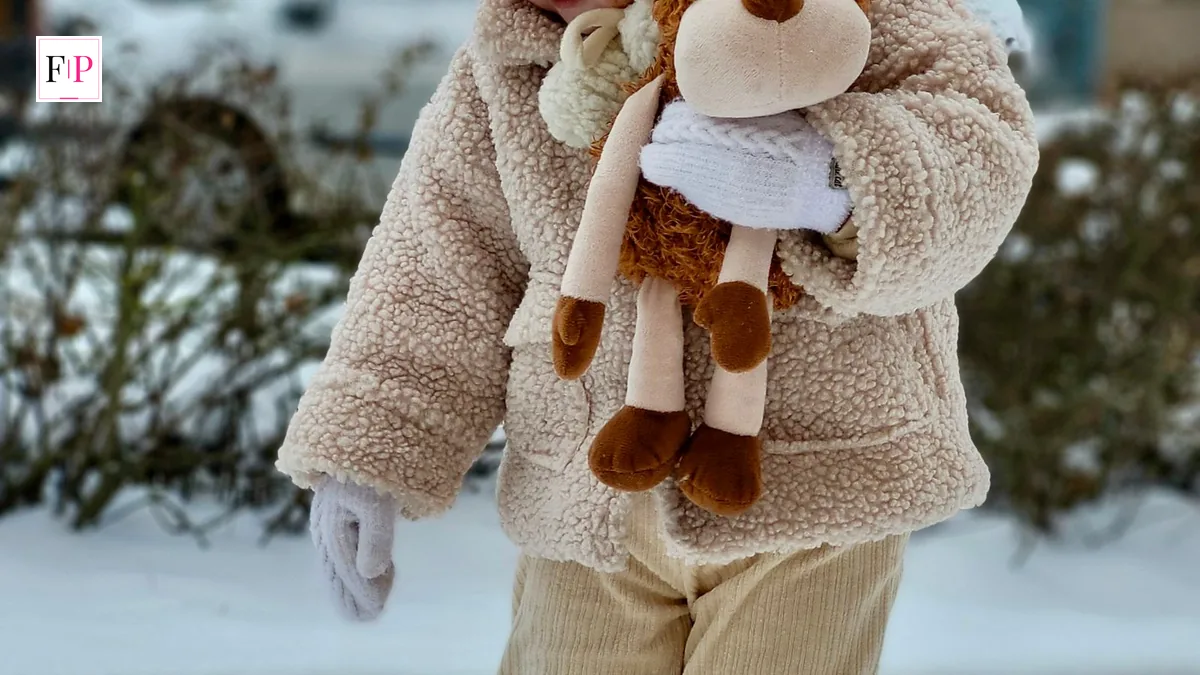
Getting the Size Right: Growth Room Without the Bulk
Sizing is where most parents go wrong with a girls winter coat, and it is understandable: children grow fast, coats are not cheap, and nobody wants to buy a coat that is outgrown by February. The temptation is to buy two sizes up. Resist it. A coat that is far too big is cold, because air circulates inside it, and children hate wearing it, because the sleeves cover their hands and the hem trips them up.
The rule that works best is simple: buy one size up from your daughter’s current size, and choose a coat with growth features. Most good children’s coats now come with extendable cuffs, a “grow-with-me” sleeve that can be let down as arms lengthen, adjustable waist toggles, and a hem that can be worn slightly long at first. Those features buy you an extra season without the bulk of a coat two sizes too big.
- Ages 2 to 4: look for a coat that is easy to get on and off, with a simple zip, a soft lining and a hood that stays put. Toddlers fall over a lot, so a shorter length and a tough, wipe-clean outer matter more than maximum warmth.
- Ages 5 to 7: school coats need to survive the playground. Choose a waterproof outer, reinforced elbows if you can find them, and a name tag inside, because coats go missing at this age more than any other.
- Ages 8 to 10: warmth and style both start to matter. Look for a longer length, a proper hood, and colours or patterns she actually likes, because a coat she loves is a coat she will wear without a fuss.
- Ages 11 to 13: older girls often want a coat that looks like the ones their friends wear. Parkas and longer puffers are popular at this age, and a neutral colour with a fun lining is a good compromise between grown-up style and practical warmth.
The Best Types of Girls Winter Coat for Different Days
There is no single perfect girls winter coat, because different days demand different things. A coat for the school run is not the same as a coat for a snowy weekend in the countryside. The table below compares the main types so you can match the coat to your daughter’s actual week.
| Coat type | Best for | Warmth | Waterproofing | Typical price |
|---|---|---|---|---|
| Parka | School run, cold wet days, long outdoor time | High | Good to excellent | £30–£60 |
| Puffer | Everyday winter wear, milder wet days | High | Moderate | £25–£55 |
| 3-in-1 coat | Changeable weather, autumn through winter | High with liner | Good | £40–£70 |
| Duffle coat | Smarter days, drier cold weather | Moderate | Low to moderate | £35–£65 |
| Ski-style jacket | Snow, holidays, very cold days | Very high | Excellent | £40–£80 |
The parka is the workhorse of the children’s coat world, and for most UK families it is the best single buy. Parkas are long, usually reaching mid-thigh or the knee, with a hood, deep pockets and a warm lining. They cope with rain, wind and cold in one garment, and they look smart enough for school while being tough enough for the playground. If you are only buying one coat, buy a parka.
The puffer is lighter and easier to pack, which makes it a good everyday choice and a great spare coat. Modern puffers are much slimmer than the bulky versions of a few years ago, and they are often the warmest option for their weight. The weakness is usually waterproofing: many puffers are showerproof rather than properly waterproof, so check the label carefully before relying on one for a wet walk to school.
The ski-style jacket is the warmest girls winter coat you can buy, with a high waterproof rating, a snow skirt, a high collar and sometimes a built-in face guard. It is overkill for most UK school days, but it is the right choice for a snowy holiday, a very cold snap, or a child who spends hours outdoors in all weathers.
What to Look for on the High Street
You do not need to spend a fortune on a girls winter coat. The high street is full of good options, and the best value is usually found in the middle of the price range rather than at either end. As a broad guide, budget supermarket coats start at around £15 to £25, solid high-street coats run from about £25 to £60, and premium outdoor brands cost £60 to £100 or more. For most families, the sweet spot is £30 to £50, where you get proper waterproofing, a warm lining and a tough outer without paying for a brand name.
Supermarkets such as Tu at Sainsbury’s, George at Asda and the children’s ranges at Tesco and Aldi offer some of the best-value coats, often under £25, and they are ideal if you need a second coat or your daughter is growing fast. Marks & Spencer, Next and H&M cover the mid-range well, with good sizing and reliable waterproofing. Outdoor brands such as Regatta, Mountain Warehouse and Trespass are worth a look if warmth and waterproofing are your top priorities, and they often have generous sales. If your budget stretches further, Joules and Boden make durable, characterful coats that tend to last long enough to be handed down. Parents of older girls may also want to compare notes with our adult guide, Women’s Winter Coats: The Complete UK Guide for Winter 2026, although the children’s priorities in this guide are quite different.
Whatever the shop, run through this checklist before you buy. It takes two minutes in the store and saves a season of regret.
- Check the waterproof rating and taped seams on the label, not just the word “waterproof” on the swing tag.
- Feel the lining and check it runs through the sleeves as well as the body.
- Try the hood up over a hat, and check it stays in place when she turns her head.
- Test the zip yourself and then let her try it, checking for a storm flap and a chin guard.
- Try it over a school jumper, raise her arms, and sit her down to check the length and comfort.
- Look for reflective details on the front, back and sleeves, because winter mornings and afternoons are dark and the school run often happens in poor light.
- Check the pockets are deep enough for gloves and lined so cold hands warm up quickly.
- Read the care label before you buy: a coat that needs dry cleaning will cost you far more over the winter than one you can machine wash.
Keeping a Girls Winter Coat Clean and Lasting Longer
A child’s winter coat leads a hard life. It gets muddy, it gets rained on, it gets left on the floor of the classroom, and it gets worn five days a week for months. The good news is that most modern children’s coats are built to be washed, and a little care will keep a coat looking good and working properly all winter.
Always read the care label first, because washing instructions vary. Most synthetic-filled coats can be machine washed on a gentle cycle at 30 degrees with a mild detergent, and many can go in the tumble dryer on a low heat with a couple of clean tennis balls, which helps the filling stay fluffy. Do not use fabric conditioner on a waterproof coat, because it can damage the water-repellent finish. Fasten all zips and Velcro before washing, and turn the coat inside out if the label suggests it.
Waterproofing wears off over time, which is why a coat that was waterproof in November can start soaking through by February. The fix is simple: when rain stops beading on the surface and starts soaking in, wash the coat and then reproof it with a wash-in or spray-on waterproofer. A reproofed coat can easily last a second season, which makes it a good candidate for handing down to a younger sibling or passing on to another family.
Frequently Asked Questions
What size girls winter coat should I buy?
Buy one size up from your daughter’s current size, and choose a coat with adjustable cuffs, a waist toggle or a grow-with-me sleeve. Try it on over a school jumper and check she can raise her arms, fasten the zip herself and sit down comfortably. A coat two sizes too big will be cold, bulky and hard to play in.
How much should a girls winter coat cost?
Budget supermarket coats start at around £15 to £25, solid high-street coats usually cost £25 to £60, and premium outdoor brands run from £60 to £100 or more. For most families the best value is in the £30 to £50 range, where you get proper waterproofing, a warm lining and a tough outer.
What is the warmest type of girls winter coat?
A long, insulated parka or a ski-style jacket is usually the warmest type of girls winter coat, because the length protects the legs and the insulation traps body heat. Synthetic fill is the most practical choice for UK winters, as it keeps insulating when damp, dries quickly and survives the washing machine.
Are girls winter coats waterproof?
Not all of them. Showerproof coats cope with light drizzle, water-resistant coats handle steady rain, and waterproof coats are built for heavy, prolonged downpours. For the school run, look for a waterproof or water-resistant coat with taped seams and a waterproof rating of at least 3,000mm to 5,000mm.
Can I machine wash a girls winter coat?
Most synthetic-filled girls winter coats can be machine washed on a gentle cycle at 30 degrees with a mild detergent, but always read the care label first. Fasten all zips and Velcro, do not use fabric conditioner on a waterproof coat, and reproof the coat when rain stops beading on the surface.
When should I buy a girls winter coat?
The best time to buy a girls winter coat is in early autumn, when the full range of sizes is in stock and before the cold weather arrives. Late summer and early autumn sales can offer good discounts, while buying in the middle of winter often means limited sizes. Buy one size up so the coat still fits in February and March.
Final Thoughts: Buy Warm, Buy Waterproof, Buy One Size Up
Choosing a girls winter coat does not need to be stressful. Focus on the three things that matter most: warmth, waterproofing and fit. Pick a warm, waterproof parka or puffer with a hood, taped seams and a storm flap, buy one size up so it lasts the whole winter, and choose a colour or pattern your daughter actually likes, because a coat she loves is a coat she will wear without a morning argument. Spend around £30 to £50 on the high street and you will get a coat that survives the playground, the school run and the washing machine.
Start your search this week, while the full range of sizes is still in stock, and try the coat on over a school jumper before you buy. A warm, dry and happy daughter is worth every penny, and the right girls winter coat makes the whole winter easier for everyone.
