


Last Updated: 18 October 2026
covid symptoms 2026 is one of the most searched health phrases in Britain this autumn — and it is easy to see why. As the weather turns colder, people spend more time mixing indoors, seasonal viruses circulate more easily, and every new cough, sore throat or fever raises the same question: is this Covid, flu, or just an ordinary cold?
This guide brings together what the NHS currently lists as the main symptoms of Covid-19, explains how they differ from flu and a common cold, and sets out what to do if you feel unwell — including when to stay at home, what has changed on testing and boosters, and the warning signs that need urgent help. Whether you are checking covid symptoms 2026 for yourself, a child or an older relative, the sections below are written to help you judge the situation calmly. It is general information only and is not medical advice — if you are worried about your own symptoms, speak to your GP, a pharmacist or NHS 111.
What are covid symptoms 2026? Covid symptoms 2026 most often include a high temperature, a new continuous cough, a sore throat, headache, tiredness, an aching body and a blocked or runny nose. Some people also lose their sense of smell or taste, feel breathless, lose their appetite or feel sick.
Covid Symptoms 2026: The Full NHS List
Covid symptoms 2026 are the signs of a Covid-19 infection as listed by the NHS — most commonly a high temperature, a new continuous cough, and a loss or change to your sense of smell or taste, alongside tiredness, aches, headache and a sore throat.
That definition is a useful starting point, but the full picture is broader than the three symptoms most people remember from earlier in the pandemic. The NHS list of main symptoms now covers a wide range of experiences, which is one reason covid symptoms 2026 can be so easy to confuse with flu or a heavy cold. Not everyone gets every symptom, the order in which they appear varies from person to person, and some people — particularly in the first day or two — have only one or two mild signs and feel otherwise well. The authoritative wording is on the NHS page covering Covid-19 symptoms and what to do, and the list below follows it closely.
- A high temperature or fever — feeling hot to touch on your chest or back, or shivering and feeling cold.
- A new, continuous cough — coughing a lot for more than an hour, or several coughing episodes in a day; if you usually have a cough, it may be worse than usual.
- A loss or change to your sense of smell or taste — things smell or taste different, or you cannot smell or taste at all.
- Shortness of breath — finding it harder to breathe than usual during everyday activity.
- Feeling tired or exhausted, sometimes out of proportion to how much you have done.
- An aching body — sore muscles and joints, even without exercise.
- A headache, which can be one of the earliest signs.
- A sore throat — reported as a particularly prominent feature in recent seasons.
- A blocked or runny nose, with sneezing and congestion.
- Loss of appetite — going off food even when you would normally be hungry.
- Diarrhoea, and feeling sick or being sick — stomach symptoms affect some people, especially alongside fever and tiredness.
Two points about that list are worth holding on to. First, no single symptom proves Covid on its own — a sore throat is still most often a sore throat, and a blocked nose in October is very commonly just a cold. Secondly, the combination and the context matter: several of these signs arriving together, during a period when Covid is circulating, after close contact with someone who is unwell, is a stronger signal than any one symptom in isolation. Recognising covid symptoms 2026 early matters less for the label itself than for the decisions that follow — resting properly, protecting people around you who may be more vulnerable, and knowing when a symptom has crossed the line into needing medical help.
How Symptoms Usually Develop
For many people, covid symptoms 2026 build over the first couple of days rather than arriving all at once. A scratchy or sore throat and a headache are often among the first signs, followed by tiredness, a blocked or runny nose and a cough. A temperature may appear early or not at all, and the loss or change to smell or taste — when it happens — is sometimes noticed a little later, when food seems bland or familiar smells seem oddly weak. Stomach symptoms such as diarrhoea or feeling sick tend to sit alongside the other signs rather than appearing alone.
The course afterwards varies a great deal. Some people feel mildly unwell for a few days and then improve steadily; others feel properly poorly for longer, with tiredness and a lingering cough outlasting the fever and the worst of the aches. Children often seem to bounce back more quickly than adults, while older people and those with long-term health conditions can take longer to recover and are the group the NHS most wants to hear from early — a point covered in more detail below. The practical way to judge your own progress is the overall direction of travel: gradually improving, even slowly, is the usual pattern; steadily worsening, or improving and then becoming much worse again, is a reason to seek advice rather than wait it out.
Covid, Flu or a Cold? How to Tell the Difference
Because the three illnesses overlap so much, comparing covid symptoms 2026 with flu and a common cold is the question most readers actually want answered — and it is the same comparison behind searches for flu symptoms 2026 at this time of year. No table can diagnose you, and the illnesses can feel very similar in the first day or two, but the patterns below reflect the differences the NHS and clinicians most often point to.
| Feature | Covid | Flu | Common cold |
|---|---|---|---|
| How it starts | Often builds over a day or two | Typically comes on very quickly | Usually comes on gradually |
| High temperature | Common | Common, often high | Unusual — rare in adults |
| Cough | Common — a new, continuous cough | Common, often dry | Can occur, usually milder |
| Smell or taste | Loss or change is a recognised Covid sign | Less commonly affected | Can seem dulled by a blocked nose |
| Sore throat | Common and often prominent | Can occur | Common, often an early sign |
| Blocked or runny nose | Common | Sometimes | Very common — the classic cold sign |
| Aches and tiredness | Common — aching body and exhaustion | Common and often severe | Mild, if present at all |
| Shortness of breath | Can occur — take it seriously | Uncommon in otherwise healthy adults | Unusual — nasal congestion only |
| Stomach symptoms | Diarrhoea or feeling sick can occur | Can occur, more often in children | Unusual |
Read the table as a guide to likelihoods, not a verdict. Flu’s sudden arrival — feeling broadly well in the morning and flattened by the evening, with a high temperature and strong aches — is its most recognisable calling card. A cold, by contrast, tends to stay in the head and nose: sneezing, congestion and a sore throat, usually without a significant temperature or whole-body exhaustion. Covid sits awkwardly across both patterns, which is precisely why it causes so much uncertainty, and why a change to smell or taste, a continuous cough or breathlessness should tilt your thinking towards Covid and towards the cautious course of action set out next.
Autumn 2026: Why Cases Rise and Which Variants Have Been Reported
Autumn is reliably the season when interest in covid symptoms 2026 peaks, and the reasons are familiar rather than alarming. As temperatures fall, people spend more time indoors with windows closed, children are back at school, students return to universities, and workplaces and public transport fill up again — all of which gives respiratory viruses, Covid included, more chances to spread. Cases of Covid typically rise during the autumn and winter months for exactly these reasons, and this year is following the usual seasonal pattern.
Variants are part of that picture, as they have been throughout the past few years. Newer variants have been reported circulating during 2025 and into 2026, including the XFG variant, widely nicknamed “Stratus”, which has been reported with a sore throat as a particularly prominent symptom. Variant names can sound dramatic in headlines, but the practical message from health authorities has remained steady: the symptoms to watch for are still the NHS list above, and the actions to take if you develop them have not changed. A new nickname does not mean a new illness, and most people who catch Covid this autumn can expect the familiar pattern of symptoms described in this guide. Where reporting mentions a variant, treat it as background context — your decisions should be based on how you feel and whether you are in a higher-risk group, not on which variant you may or may not have.
What to Do If You Think You Have Covid
If you recognise covid symptoms 2026 in yourself, current NHS advice is straightforward: try to stay at home and avoid contact with other people if you have symptoms and either a high temperature or you do not feel well enough to go about your normal activities. Rest, drink plenty of fluids, and use paracetamol or ibuprofen as directed on the packet if you need help with a temperature, headache or aches. Keep resting until you feel better and any high temperature has settled, rather than pushing through and prolonging the illness.
Protecting other people is the other half of the advice. While you are unwell, it is sensible to keep distance from anyone who is at higher risk from Covid — older relatives, people who are pregnant, and people whose immune systems are weakened — and to be especially careful about visiting hospitals and care settings. Fresh air helps when contact cannot be avoided: opening windows, meeting outdoors where possible, and covering coughs and sneezes all reduce the chances of passing the virus on. The NHS overview of the condition, including staying at home and treatment, is on its main Covid-19 page. None of this requires panic — it is the same considerate, common-sense approach Britain has settled into for seasonal respiratory illness.
Testing, Autumn Boosters and Antivirals Explained
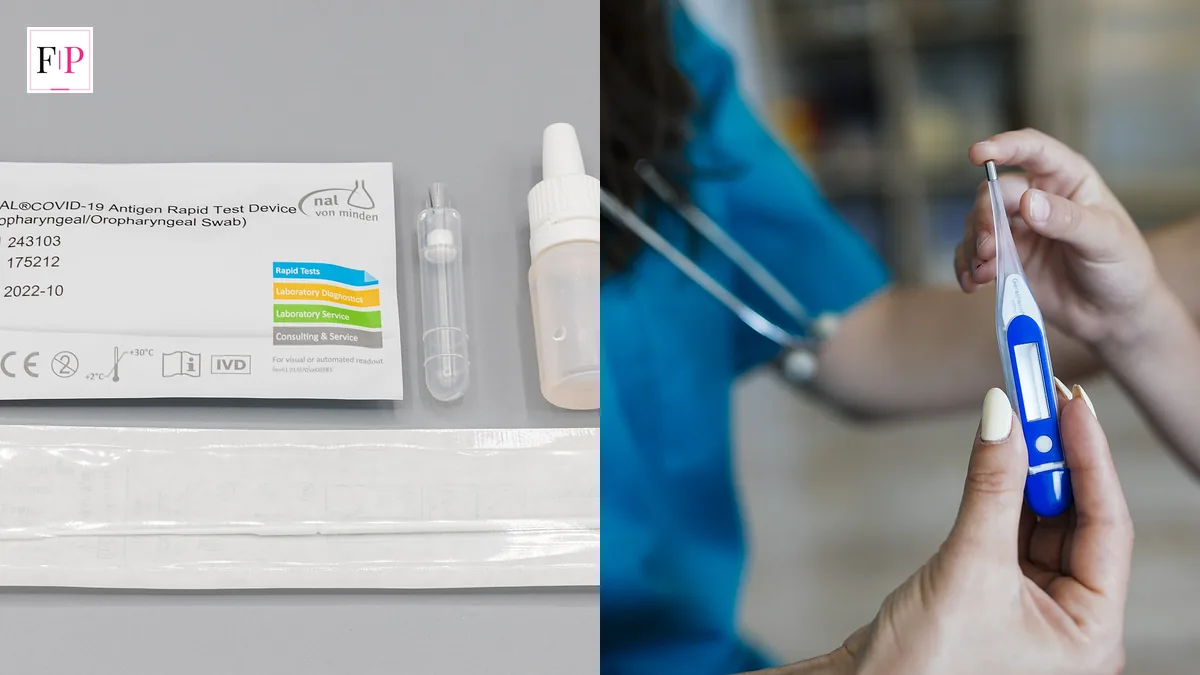
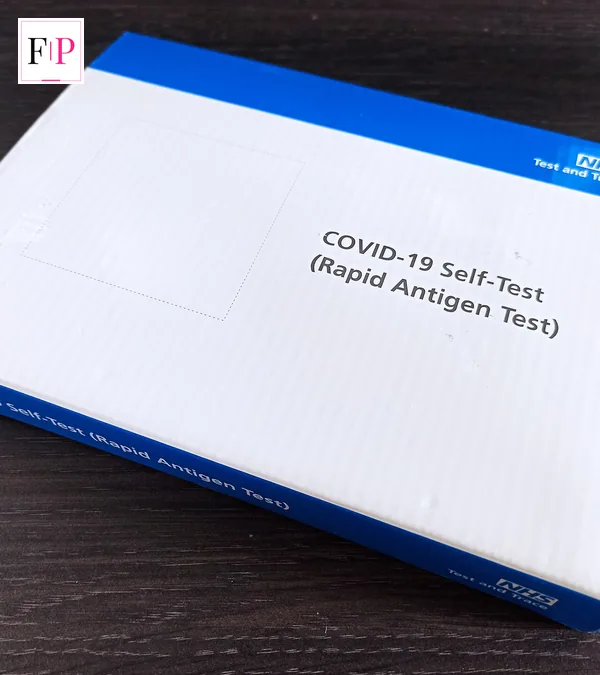
One of the biggest changes from earlier in the pandemic is testing. Testing for Covid is no longer free for most people, and most readers checking covid symptoms 2026 will not need a test to decide what to do: the advice to rest at home while you have a temperature or feel unwell applies whether or not a test confirms the cause. Tests can still be bought, and some people — for example those who may be eligible for antiviral treatments, or who work in certain health and care settings — may still be offered testing through the NHS, so follow any instructions given by your GP, employer or care team if that applies to you.
Vaccination remains the other main line of protection. Eligible groups are offered an autumn Covid booster vaccination through the NHS, aimed at topping up protection for the people most likely to become seriously unwell over winter; our guide to the covid booster 2026 explains who is offered it and how booking works. Antivirals also exist for eligible patients: these are treatments that can be offered to some people at higher risk if they catch Covid, and they work best when started promptly — which is why people in higher-risk groups are encouraged to contact the NHS early rather than waiting to see how symptoms develop. If you think you might be eligible for either a booster or antivirals, your GP practice or NHS 111 can confirm your position.
Who Is at Higher Risk — and When to Seek Urgent Help
Most people recover from covid symptoms 2026 at home without medical help, but some groups face a higher risk of becoming seriously unwell, including older people, people who are pregnant, and people with certain long-term conditions or a weakened immune system. If you are in a higher-risk group and you develop symptoms, contact NHS 111 or your GP promptly for advice rather than simply waiting — you may be eligible for antiviral treatment, and early advice gives you the best options. The same applies if you care for someone at higher risk: make the call on their behalf if they cannot, and mention their condition and medicines clearly.
Separately, some symptoms should never be waited out, whatever your risk group. Seek urgent help immediately if you or someone you are with has significant difficulty breathing or breathlessness that is worsening, chest pain, or you feel seriously unwell in a way that frightens you — call 999 or go to A&E. For symptoms that are worrying but not an emergency — a temperature that will not settle, a cough or exhaustion that is getting worse rather than better after several days, or a young child you are concerned about — contact your GP or NHS 111 the same day. Trust the trajectory here as well: severe, sudden or worsening symptoms need a professional now, not a search engine.
What are the main covid symptoms 2026?
The NHS lists the main symptoms as a high temperature, a new continuous cough, a loss or change to your sense of smell or taste, shortness of breath, tiredness, an aching body, headache, sore throat, a blocked or runny nose, loss of appetite, diarrhoea, and feeling sick or being sick.
How can I tell Covid apart from flu or a cold?
Flu usually comes on very quickly with a high temperature and strong aches. A cold comes on gradually and mainly affects the nose and throat. Covid overlaps both, but a new continuous cough and a loss or change to smell or taste point more towards Covid. No symptom alone gives a certain answer.
What should I do if I have covid symptoms 2026?
Try to stay at home and avoid contact with other people if you have symptoms and a high temperature, or you do not feel well enough for your normal activities. Rest, drink plenty of fluids, and keep away from people at higher risk where you can until you feel better.
Do I still need to take a Covid test?
For most people, no. Testing is no longer free for most people, and the advice to rest at home while you have a temperature or feel unwell applies without a test result. Some people, such as those who may be eligible for antiviral treatment, may still be offered testing — follow advice from your GP or care team.
Who is offered the autumn Covid booster?
The NHS offers an autumn Covid booster vaccination to eligible groups — the people most likely to become seriously unwell over winter. Eligibility is set by the NHS each season. Check with your GP practice or the NHS booking service to confirm whether you are included this autumn.
When should I seek urgent help for Covid symptoms?
Call 999 or go to A&E immediately for significant or worsening breathlessness or chest pain. If you are in a higher-risk group, or symptoms such as a high temperature are not settling or are getting worse, contact NHS 111 or your GP promptly the same day for advice.
Conclusion: Rest Well, Protect Others, and Know the Warning Signs
The essentials of covid symptoms 2026 are reassuringly clear once they are laid out: the NHS list — temperature, a new continuous cough, changed smell or taste, sore throat, aches, headache, tiredness and a blocked nose among them — tells you what to look for; the comparison with flu and a cold helps you judge what you are most likely dealing with; and the advice is to rest at home while you have a temperature or feel unwell, protect people at higher risk, and seek help promptly if breathing problems, chest pain or worsening symptoms appear.
If you are unwell today, rest, stay home while you are feverish, and check whether you are due an autumn booster — and if you know someone in a higher-risk group who is searching for covid symptoms 2026 right now, share this guide with them so they know when to call NHS 111 early.
