



Last Updated: 5 October 2026
The best broadband deals in the UK right now share one trait: they come from providers that can actually deliver the speeds they advertise, at prices that stay fair for the whole contract. If your contract has ended, or you are out of contract without realising it, there is a good chance you are paying more than you need to.
Broadband rarely makes the headlines, but it has been hard to ignore in the first week of October 2026. TalkTalk, which serves more than 1.5 million UK customers, is on the brink of administration while BT negotiates a takeover, a situation Sky News reported on 4 October 2026. When a provider’s future looks uncertain, many households start shopping around for the best broadband deals, and that is exactly what this guide is for.
Below you will find the best broadband deals as they stand in October 2026: the typical price bands for fibre and full fibre, how Ofcom’s One Touch Switch rules make moving simple, and the checks that keep you from signing the wrong contract. Let’s get into it.
The best broadband deals in the UK as of October 2026 are full-fibre packages costing roughly £15 to £35 a month, depending on speed. Most households do well on 100 to 150 Mbps, switching is straightforward under Ofcom’s One Touch Switch rules, and in-contract customers typically pay £7 to £9 a month less than those out of contract, according to Ofcom data.
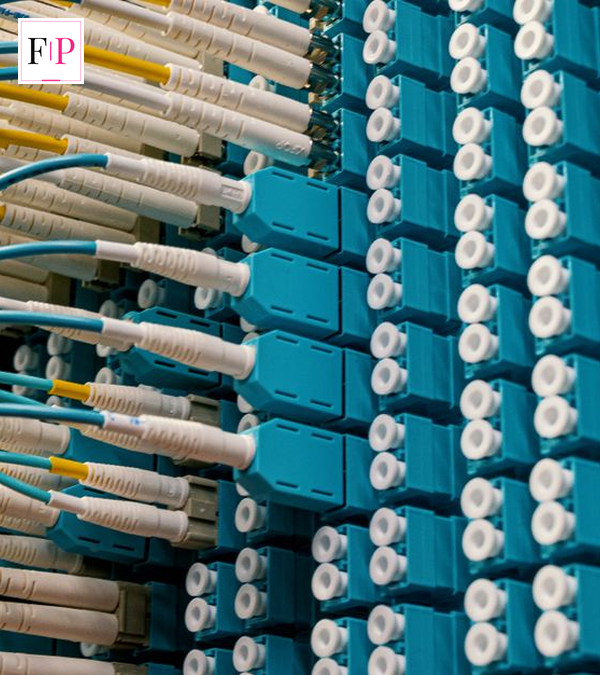
Why October 2026 Is a Big Month for Broadband Shoppers
One of Britain’s biggest broadband suppliers is having its worst week in years. TalkTalk is lurching towards a possible administration filing, with insolvency practitioners at Alvarez & Marsal lined up, while BT negotiates with the company’s largest creditor, Ares Management, over a takeover of TalkTalk’s retail and wholesale businesses (Sky News via Classic FM, 4 October 2026).
BT’s chief executive, Allison Kirkby, has already met officials at the Department for Digital, Culture, Media & Sport to discuss whether a bid would trigger a lengthy competition probe, the Financial Times reported on 2 October 2026. Ministers are watching closely because TalkTalk’s network serves thousands of vulnerable customers as well as hospitals and GP surgeries.
What does this mean for you? Do not panic if you are a TalkTalk customer. In provider collapses, customers are normally moved to a new supplier with their service intact, and Ofcom keeps a close eye on the process. But the headlines are a useful nudge: uncertainty is the perfect moment to check whether you are on one of the best broadband deals or simply drifting on an expensive out-of-contract rate.
If your contract has ended, you owe it to yourself to compare. As Ofcom’s figures show, households that let contracts lapse can end up paying far more than those who switch or re-contract, and the saving from acting now often covers the effort many times over.
What Do the Best Broadband Deals Cost Right Now?
Prices have settled into clear bands this autumn. Here is what the best broadband deals look like as of October 2026, based on comparison-site checks rather than headline teaser rates:
- Social tariffs: from around £12.50 a month for households receiving Universal Credit or other means-tested benefits. Only about 8.6% of eligible households take one up, according to Ofcom, even though 6.2 million Universal Credit households qualify.
- Budget full fibre: the cheapest open-market deals start at about £13.50 a month for the first year on smaller altnet networks, rising afterwards. Most homes find full fibre between £23 and £34 a month (BroadbandSwitch.uk check, 1 October 2026).
- Mainstream fibre: mid-tier packages around 100 to 150 Mbps typically sit between £19 and £25 a month on 24-month contracts, with some including reward cards or switching credit.
- Gigabit and above: 900 Mbps to 1 Gbps full-fibre deals generally fall between £25 and £43 a month, with London-focused altnets offering some of the lowest per-megabit prices.
To put the savings in perspective, Ofcom’s pricing research found that customers in contract pay £7 to £9 a month less on average than customers who have let their contract lapse. Its September 2026 update put the average out-of-contract bill for broadband, landline and TV bundles at £78 a month against £69 in contract, and said many of those customers could save over £100 a year by switching or re-contracting.
One more thing to watch: mid-contract price rises are now fixed in pounds and pence. Inflation-linked clauses were banned in new contracts from 17 January 2025, so any rise must be shown to you before you sign. The fixed rises announced for 2026 range from £2 to £4 a month, and some providers hold the price for the whole minimum term. Always check the small print so you are comparing the true cost, not just the headline figure.
Which of the Best Broadband Deals Matches Your Speed Needs?
Faster is not automatically better. The best broadband deals are the ones that match your household’s actual usage, and paying for a gigabit line you never stress is money down the drain. Most UK homes are comfortable on 50 to 150 Mbps, which covers 4K streaming, video calls and gaming at the same time. A busy family home with several people working and streaming at once is well served by 200 to 500 Mbps.
For reference, Ofcom’s Connected Nations 2025 report put the average UK connection at 285 Mbps in July 2025. Few homes need more than a few hundred megabits; what matters more is a connection that holds up at 8pm when everyone is online.
| Broadband type | Typical download speed | Best for | Typical price band |
|---|---|---|---|
| Standard (ADSL) | 10 to 11 Mbps | Light browsing and email only | £20 to £25 a month |
| Superfast fibre (FTTC) | 35 to 70 Mbps | Couples and small households | £22 to £28 a month |
| Full fibre (FTTP) | 100 Mbps to 1 Gbps+ | Streaming, gaming, home working | £15 to £43 a month |
| Mobile/5G broadband | 50 to 200 Mbps | Renters and rural homes without fibre | £15 to £30 a month |
Notice that standard broadband can cost nearly as much as full fibre these days. If full fibre reaches your street, there is rarely a reason to stick with the old copper-based options. Downloading large files, streaming box sets in 4K or filling a new e-reader with audiobooks all feel instant on a decent full-fibre line.
Full Fibre Explained: What It Actually Means
Full fibre, also called fibre to the premises (FTTP), means a fibre-optic cable runs all the way from the exchange to your home. Nothing in the journey travels over old copper telephone wire. That matters because copper slows the signal the further you are from the street cabinet, which is why old-style fibre connections varied so much from street to street.
Older “superfast fibre” (FTTC) uses fibre to the cabinet, then copper for the last stretch to your door. It is fine for many households, but speeds drop with distance and uploads stay slow. Full fibre keeps speeds steady at any distance and usually brings far faster uploads, which makes a real difference if you work from home, back up photos to the cloud or make video calls all day.
Full fibre is also the most future-proof choice. As more of daily life moves online, from streaming to smart-home gadgets, the networks with the most headroom will age the best. When you compare the best broadband deals, treat full fibre as the default option wherever it is available at your postcode.
How to Switch Broadband in 5 Simple Steps
Switching used to be a chore, but Ofcom’s One Touch Switch rules have covered UK home broadband and landline switching since September 2024. Over 1.6 million customers have used the process, according to Ofcom, and more than 300 providers are signed up. Here is how to move to one of the best broadband deals in five simple steps:
- Check your contract status. Log in to your current provider’s account or check your last bill. If you are still in contract, leaving early usually means an exit fee. If your contract has ended, you are free to move.
- Compare deals at your postcode. Availability varies street by street, especially for altnet full-fibre networks. Enter your postcode on a comparison site and filter by speed, price and contract length to shortlist the best broadband deals for your address.
- Sign up with your new provider only. This is the “one touch” part: you contact the provider you are moving to, and they handle everything else. You do not need to phone your old provider or sit through a retention pitch.
- Let the industry hub do the work. Your new provider notifies your old one through a shared system. Your old provider then sends you details of any charges for leaving, and the switch goes ahead on the date you agree. The new service is timed to start as the old one stops.
- Know your compensation rights. If the new service starts late, providers in Ofcom’s automatic compensation scheme pay £6.46 for each day of delay at the rates applying from 1 April 2026. You should never be left paying notice-period charges beyond the switch date.
There are a couple of exceptions worth knowing: One Touch Switch does not currently cover business broadband customers or mobile broadband, only home broadband customers switching between wired providers. For everything else, the process is the same whether you are moving between providers on the same network or from cable to full fibre.
Contract vs Rolling: Which Deal Structure Saves More?
Most of the best broadband deals come with a 12 or 24-month minimum term, and there is a reason for that: providers reward commitment with lower prices. Ofcom’s research shows in-contract customers pay £7 to £9 a month less than those out of contract, so a fixed term usually wins on price, and fixed-term packages dominate the best broadband deals lists each month.
That said, 24-month contracts are a long time in a fast-moving market. Before signing, check the fixed price rises written into the contract and work out the effective monthly cost: add up every payment across the full term, including rises and setup fees, then divide by the number of months. A deal that looks cheap in month one can look very different by month 24.
Rolling or 30-day contracts cost more per month but suit renters, students and anyone who might move soon. If you choose one, set a reminder to review it: out-of-contract prices are where providers make their easiest money, and a quick switch or haggle each year keeps you on the right side of the pricing.
7 Money-Saving Tips Before You Sign Up
Finding the best broadband deals is only half the job. These seven tips keep the other half, your actual bill, as low as possible:
- Check social tariffs first. If anyone in your household receives Universal Credit, Pension Credit or similar benefits, you could pay from around £12.50 a month. Millions of eligible households never claim.
- Time your switch for contract end. Moving mid-contract means exit fees that can wipe out a year’s savings. Providers must warn you before your contract ends, so use that notice as your cue to shop around.
- Compare effective monthly cost, not the headline. Add setup fees, reward-card claims and mid-contract rises into one figure across the whole term. The cheapest-looking deal is not always the cheapest deal.
- Do not buy speed you will not use. A gigabit line for a two-person flat that streams in the evening is overkill. Match the package to your household, using the table above as a guide.
- Look at uploads, not just downloads. If you work from home or upload lots of video, a full-fibre package with strong upload speeds is worth more than a slightly faster headline download figure.
- Check your postcode, not your neighbour’s. Full-fibre availability changes street by street, and new areas go live constantly. The best broadband deals for your address depend on which networks actually reach your door.
- Haggle before you leave. Providers would rather keep you than lose you. A polite call quoting a cheaper rival deal often unlocks a retention offer, and if it does not, you can switch anyway under One Touch Switch.
What to Check Before You Switch Providers
A few final checks separate a smooth switch from an expensive mistake. Run through these before you commit:
- Exit fees and notice periods. Confirm exactly what your current provider will charge and when your billing stops. Under One Touch Switch you should not pay notice charges beyond the switch date.
- Router and setup costs. Most deals include a router and free installation, but check. A “free” deal with a £50 setup fee and a paid router is not free.
- Phone line and TV bundles. Many packages now drop the landline entirely. Only bundle TV if you will actually watch it; a broadband-only deal plus the streaming services you already pay for is usually cheaper.
- Backup during the switch. Some providers include a 4G or 5G backup hub that keeps you online if installation runs late. In a pinch, tethering from a recent 5G handset, such as the latest iPhone models, can cover a short gap.
- Speed guarantees. Several providers offer a personal speed guarantee with a right to leave if speeds fall short. It is a useful safety net, especially on older part-fibre lines.
Taking ten minutes on these checks is what turns a good headline price into one of the genuinely best broadband deals for your home. The cheapest contract is the one with no nasty surprises hiding in the terms.
The best broadband deals in October 2026 are full-fibre packages in the £15 to £35 a month range, matched to the speed your household actually uses. With the TalkTalk situation pushing more people to compare, and Ofcom’s figures showing out-of-contract customers overpaying by £100 or more a year, there has rarely been a better moment to check your bill.
Start by checking your contract end date, compare full-fibre options at your postcode, and let One Touch Switch handle the move. Your future self, streaming without the buffering wheel, will thank you. Compare the best broadband deals today and stop overpaying for your connection.
What are the best broadband deals in the UK right now?
As of October 2026, the best broadband deals are full-fibre packages costing roughly £15 to £35 a month depending on speed. Budget altnet deals start near £13.50 a month, mainstream 100 to 150 Mbps packages sit between £19 and £25, and gigabit full fibre generally falls between £25 and £43 a month.
How do I switch broadband providers in the UK?
Under Ofcom’s One Touch Switch rules, you only contact the new provider. They notify your old provider through a shared industry system, your old provider sends you details of any leaving charges, and the switch goes ahead on the agreed date. You do not need to phone your old provider to cancel.
Is full fibre worth the extra cost over standard fibre?
Usually yes, where it is available. Full fibre runs fibre-optic cable all the way to your home, so speeds stay steady at any distance and uploads are far faster than on older part-fibre lines. It is also the most future-proof option, and prices are often similar to older fibre deals.
What happens to my broadband if my provider goes bust?
Customers are normally transferred to a new supplier with their service intact, and Ofcom monitors the process closely. You should not lose your connection, but it is a good moment to check your contract status and compare alternatives in case you want to switch.
Can my broadband price rise during my contract?
Yes, but only by a fixed pounds-and-pence amount shown to you before you signed. Inflation-linked price rises were banned in new contracts from January 2025. The fixed rises announced for 2026 range from £2 to £4 a month, and some providers hold the price for the whole term.
What broadband speed do I actually need?
Most UK households are comfortable on 50 to 150 Mbps, which covers 4K streaming, video calls and gaming at the same time. A busy family home with several people working and streaming at once is well served by 200 to 500 Mbps. Only heavy users need gigabit speeds.
