


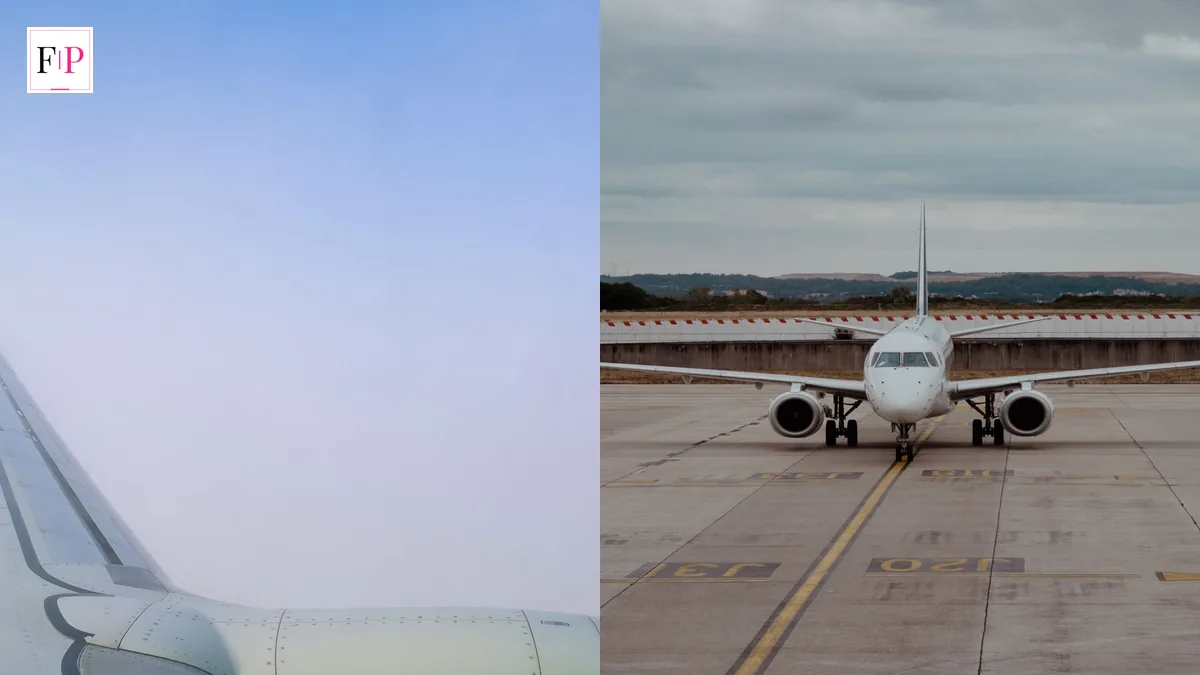
Jet2 flight LS1473 emergency landing in Paris is a story that still confuses travellers more than two months later, because the flight left London Stansted bound for Ibiza on Sunday 30 August 2026 and ended up landing at Paris Charles de Gaulle instead. This is a recap of what happened that morning, not breaking news.
The Boeing 737-800, registered G-JZHF, departed Stansted at 08:10 BST and was cruising at 35,000 feet over northern France when the crew transmitted squawk 7700, the general emergency transponder code. The aircraft turned back, was given priority for landing, and touched down safely in Paris at 10:49 local time.
Nobody was injured, and the flight later continued to Ibiza, arriving about two hours and forty minutes late. What has never been explained is why the emergency was declared in the first place, because Jet2 has not confirmed a cause.
This guide explains exactly what happened in the Jet2 flight LS1473 emergency landing, what squawk 7700 means, what is known about the aircraft, and what passengers should know if their own flight is ever diverted.
What happened on Jet2 flight LS1473? The Jet2 flight LS1473 emergency landing happened on Sunday 30 August 2026, when the Stansted to Ibiza service declared a general emergency over northern France, turned back, and landed safely at Paris Charles de Gaulle at 10:49, with no injuries reported and the flight continuing to Ibiza two hours and forty minutes late.
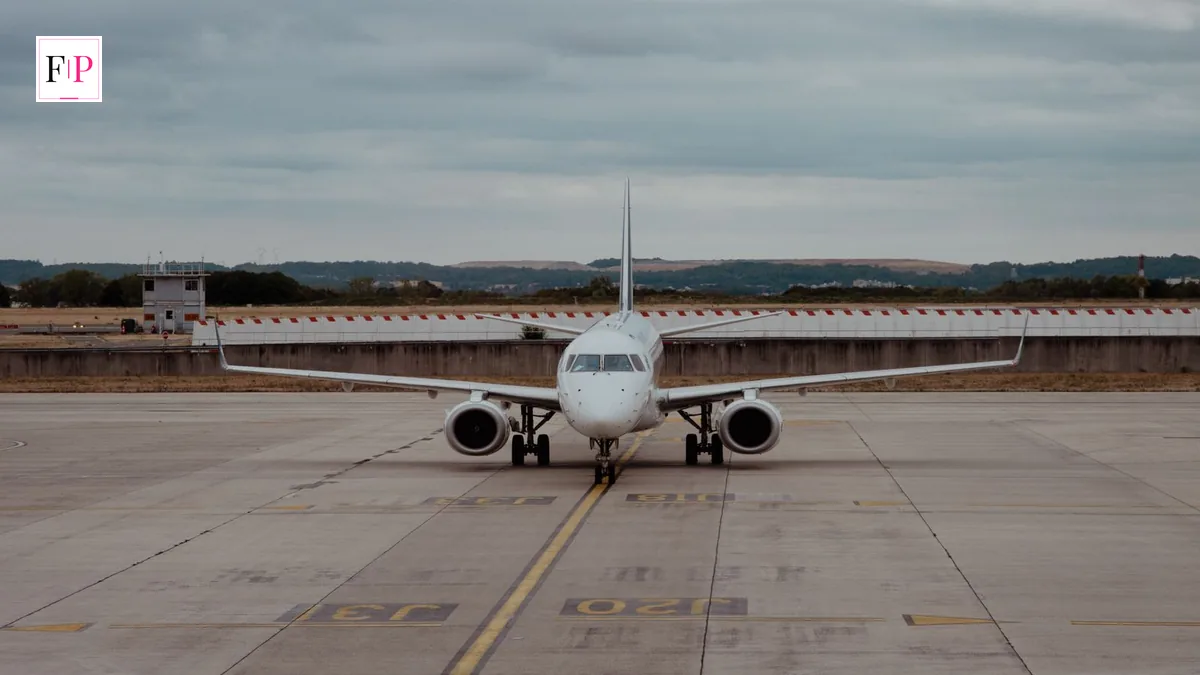
What Happened in the Jet2 Flight LS1473 Emergency Landing?
Jet2 flight LS1473 was a scheduled service from London Stansted Airport to Ibiza Airport on Sunday 30 August 2026, which declared a general emergency about an hour into the flight and diverted to Paris Charles de Gaulle Airport, landing safely with no injuries reported.
The flight departed Stansted at 08:10 BST. It was operated by a Boeing 737-800, registration G-JZHF, an aircraft that first entered service in 1999 and was 27 years old at the time of the incident.
About an hour after take-off, while cruising at 35,000 feet over northern France, the crew transmitted squawk 7700. That is the transponder code pilots use to tell air traffic control that they have a general emergency on board and need priority handling.
The aircraft made a 180-degree U-turn over France and headed for Paris Charles de Gaulle, the nearest major airport. Air traffic control cleared other traffic out of the way, and the jet was given priority for landing.
Emergency services were on standby at Charles de Gaulle as the aircraft came in. It landed safely on runway 27L at 10:49 local time, with some reports putting the touchdown at 10:50.
Either way, the landing itself was uneventful, and that is the outcome that matters most.
No injuries were reported among the passengers or crew. That is the single most important fact about the Jet2 flight LS1473 emergency landing, and it is worth stating plainly before any of the detail that follows.
The Jet2 flight LS1473 emergency landing was widely reported at the time, including by Aviation A2Z and AIRLIVE, which both tracked the flight’s U-turn and its safe arrival in Paris.
The Timeline: From Stansted to Paris to Ibiza
The morning of the Jet2 flight LS1473 emergency landing, Sunday 30 August 2026, followed a clear sequence, from a routine departure at Stansted to an unexpected landing in Paris and, eventually, a late arrival in Ibiza. The table below sets out the key moments.
| Time | What happened |
|---|---|
| 08:10 BST | Jet2 flight LS1473 departs London Stansted (STN) for Ibiza (IBZ) |
| About 09:10 BST | About an hour into the flight, cruising at 35,000 ft over northern France, the crew transmits squawk 7700 |
| Shortly after | The aircraft makes a 180-degree U-turn and heads for Paris Charles de Gaulle (CDG) |
| 10:49 local time | The aircraft lands safely on runway 27L at Paris Charles de Gaulle; emergency services are on standby (some reports say 10:50) |
| 12:37 / 12:51 | The flight departs Charles de Gaulle to resume its journey to Ibiza (times vary between reports) |
| 14:33 local time | The aircraft arrives in Ibiza, about 2 hours and 40 minutes late |
The delay caused by the Jet2 flight LS1473 emergency landing was about two hours and forty minutes in total. That is a long wait for holidaymakers heading to Ibiza, but it is a small price for a safe outcome, and it is far shorter than the delay would have been if the aircraft had needed to stay in Paris overnight.
The fact that the aircraft at the centre of the Jet2 flight LS1473 emergency landing resumed the same day tells us something important. The aircraft was able to depart Paris a couple of hours after landing, which suggests the situation on board was resolved quickly once the jet was on the ground.
Passengers caught up in the Jet2 flight LS1473 emergency landing would have spent those hours at Charles de Gaulle, one of Europe’s largest airports, while the crew dealt with the situation and the aircraft was checked. It was an unwelcome interruption to a holiday, but not a dangerous one.
The times in the table above come from the aviation reports published on the day. Where two times are given for the same event, both are shown, because different tracking sources recorded slightly different figures.
What Is Squawk 7700?
Squawk 7700 is the transponder code that pilots transmit to tell air traffic control they have a general emergency on board. It is one of three special codes, alongside 7500 for unlawful interference and 7600 for radio failure, and it is the one most often seen in flight-tracking reports.
When a crew sets squawk 7700, their aircraft is immediately highlighted on controllers’ screens. Air traffic control then gives that aircraft priority over other traffic, clears a path to the nearest suitable airport, and alerts emergency services on the ground.
The code itself does not say what the emergency is. It simply says that the crew need help, and need it now.
The reason can be anything from a technical fault to a medical issue on board, and only the crew know the details at the time.
That is why squawk 7700 appears in the news so often, and why it so rarely means disaster. Pilots are trained to declare an emergency early, rather than waiting to see whether a problem gets worse, and airlines would far rather divert a flight than take a risk.
Flight-tracking websites and apps pick up squawk 7700 automatically, which is how the Jet2 flight LS1473 emergency landing became public within minutes. Enthusiasts watching the flight saw the code change, saw the U-turn over France, and shared the news before the aircraft had even landed.
It is worth remembering that a squawk 7700 declaration is a safety procedure, not a sign that an aircraft is about to crash. Most flights that declare an emergency land safely, just as LS1473 did in Paris.
The Aircraft: Boeing 737-800 G-JZHF
The aircraft involved in the Jet2 flight LS1473 emergency landing was a Boeing 737-800 registered G-JZHF. It is one of the workhorses of the Jet2 fleet, and it has been flying for a long time.
G-JZHF first entered service in 1999, which made it 27 years old at the time of the incident. That sounds old for an aeroplane, but aircraft are not like cars.
They are maintained to strict schedules, inspected constantly, and can fly safely for decades.
The Boeing 737-800 is the most common variant of the world’s best-selling jet airliner family. It typically carries around 189 passengers in an all-economy layout, which is the configuration Jet2 uses for its holiday flights to destinations like Ibiza.
Jet2 operates a large fleet of Boeing 737-800s alongside its newer Airbus aircraft. The type is the backbone of the airline’s summer holiday programme, flying millions of British holidaymakers to Spain, Greece, Turkey and the Balearic Islands every year.
There is no suggestion that the age of G-JZHF caused the Jet2 flight LS1473 emergency landing. Aircraft age alone does not cause diversions, and the aircraft was able to resume its flight to Ibiza the same day, which points to a problem that was dealt with on the ground rather than a serious fault with the jet itself.
It is also worth noting that the flight was a routine holiday service. London Stansted to Ibiza is one of Jet2’s busiest summer routes, packed with families and groups heading for a week in the sun, and the aircraft would have been full or close to it.
What Jet2 Said, and What Is Still Unknown
The most striking thing about the Jet2 flight LS1473 emergency landing, more than two months on, is how little has been confirmed about why it happened. Jet2 has not confirmed the cause of the emergency, and that remains the position today.
This matters, because the gap has been filled by speculation. In the hours after the diversion, unconfirmed claims circulated online, including suggestions of a medical emergency on board and suggestions of disruptive passengers.
Neither claim has been confirmed by Jet2, and neither should be treated as fact.
Airlines are often cautious about explaining diversions in detail. There can be good reasons for that, including passenger privacy where a medical issue is involved, and the need to complete internal checks before making a public statement.
But the silence also means that the honest answer to the most obvious question — why did the Jet2 flight LS1473 emergency landing happen — is that we do not know, and Jet2 has not said. Any article that claims otherwise is guessing.
What is known about the Jet2 flight LS1473 emergency landing is the sequence of events, the safe landing, the lack of injuries, and the fact that the flight continued to Ibiza the same day. Those facts come from flight-tracking data and the aviation reports published on 30 August 2026, and they are not in dispute.
The cause of the emergency has not been confirmed by Jet2, and this article will not speculate about it. If the airline confirms a cause in future, this page will be updated.
Until then, the facts above are the full story.
Travellers should also keep the Jet2 flight LS1473 emergency landing in proportion. Emergency landings sound alarming, and they are disruptive, but they are also a routine part of commercial aviation safety.
Pilots train for them constantly, aircraft are built with redundancy in mind, and the overwhelming majority end exactly as this one did, with a safe landing and no injuries.
What Happens to Passengers After a Diversion?
A diversion is stressful, especially when you are heading on holiday and have no idea why your flight has turned around, as passengers on the Jet2 flight LS1473 emergency landing discovered. Knowing what normally happens can make it easier to cope, so here is the usual sequence after a flight like Jet2 flight LS1473 diverts.
- The crew explain what is happening — The captain will usually make an announcement once the aircraft is safely on its way to the diversion airport, explaining where you are going and why.
- Emergency services meet the aircraft — Fire crews and medical teams will be on standby as a precaution, even if nobody is hurt. This is standard procedure, not a sign of danger.
- Passengers stay on board or disembark — Depending on the situation, you may stay on the aircraft while checks are carried out, or you may be taken into the terminal to wait.
- The aircraft is checked — Engineers will inspect the aircraft and the crew will complete their reports before any decision is made about continuing the flight.
- The flight resumes, or a replacement is arranged — If the aircraft is fit to fly, as G-JZHF was, the journey continues. If not, the airline will arrange another aircraft or rebook passengers.
- Onward travel is reorganised — For a holiday flight like Stansted to Ibiza, that usually means transfer coaches and hotels adjusting to a later arrival, and the airline keeping passengers informed.
Under UK and EU passenger rights rules, a delay like the one caused by the Jet2 flight LS1473 emergency landing does not automatically mean compensation is due, because safety-related diversions are generally treated as extraordinary circumstances. That said, passengers are still entitled to care, including food, drink and communication, while they wait.
The practical advice is simple. Keep your phone charged, keep your boarding pass and booking details handy, and follow the crew’s instructions rather than trying to work out what is happening from flight-tracking apps.
The crew on board know more than any app can tell you.
It is also worth keeping travel insurance details on your phone. A diversion that makes you miss a hotel check-in or a transfer can usually be sorted out, but it is much easier with your policy number to hand.
Flying to Ibiza: What Travellers Should Know
Ibiza remains one of the most popular summer destinations for British holidaymakers, and Jet2 flies there from airports across the UK, including London Stansted. The Jet2 flight LS1473 emergency landing has not changed that, and it should not put anyone off flying the route.
The flight from Stansted to Ibiza normally takes around two hours and twenty minutes. It is a short hop across France and over the Mediterranean, and thousands of passengers make the journey every week during the summer season without incident.
If you are flying the route, a few simple habits make the journey smoother. Arrive at Stansted in good time, because the airport is busy in the summer, and check in online the day before to save time at the terminal.
Pack a small bag of essentials in your hand luggage, including water, snacks, medication and a phone charger. If your flight is ever delayed or diverted, as LS1473 was, those basics make a long wait far more bearable.
Ibiza Airport is small and efficient, and transfers to the main resorts take between twenty and forty minutes. If your flight arrives late, your transfer company and hotel should already know, because airlines share arrival updates with their ground partners.
For more travel ideas from FamePost, our guide to the best Christmas markets in the UK is a good place to start planning your next trip closer to home.
Final Thoughts: A Safe Landing Is the Whole Story
The Jet2 flight LS1473 emergency landing on 30 August 2026 was a dramatic morning for everyone on board, and it is easy to understand why it caught the attention of flight trackers and aviation watchers. A U-turn over France, a squawk 7700 call, and a priority landing in Paris make for a striking story.
But the story ended well. The aircraft landed safely on runway 27L at Paris Charles de Gaulle, nobody was injured, and the flight continued to Ibiza the same afternoon, arriving about two hours and forty minutes late.
That is the outcome that matters.
The one thing that has not been resolved is the cause. Jet2 has not confirmed why the Jet2 flight LS1473 emergency landing happened, and until the airline does, the honest answer is that we do not know.
That is not a satisfying ending, but it is the truthful one.
What the Jet2 flight LS1473 emergency landing does show is that the aviation safety system works. The crew recognised a problem, declared an emergency, diverted to the nearest suitable airport, and landed safely.
Every part of that chain did what it was supposed to do.
If you were caught up in the Jet2 flight LS1473 emergency landing that morning, or you know someone who was, we would love to hear about your experience in the comments below.
When did Jet2 flight LS1473 make an emergency landing?
Jet2 flight LS1473 made an emergency landing on Sunday 30 August 2026. The flight departed London Stansted at 08:10 BST bound for Ibiza, declared a general emergency over northern France, and landed safely at Paris Charles de Gaulle at 10:49 local time.
What is squawk 7700?
Squawk 7700 is the transponder code pilots transmit to tell air traffic control they have a general emergency on board. It gives the aircraft priority handling and alerts emergency services on the ground. The code itself does not say what the emergency is.
Was anyone injured on Jet2 flight LS1473?
No. No injuries were reported among the passengers or crew when Jet2 flight LS1473 diverted to Paris Charles de Gaulle on 30 August 2026. Emergency services were on standby as a precaution, and the landing on runway 27L was safe.
Why did Jet2 flight LS1473 divert to Paris?
The cause of the emergency has not been confirmed by Jet2. The crew transmitted squawk 7700 about an hour into the flight, and the aircraft diverted to Paris Charles de Gaulle as the nearest major airport. Unconfirmed online claims about the cause should not be treated as fact.
Did Jet2 flight LS1473 reach Ibiza?
Yes. After landing in Paris, the flight departed Charles de Gaulle at 12:37 or 12:51 and arrived in Ibiza at 14:33 local time on 30 August 2026, about two hours and forty minutes behind schedule.
What aircraft was operating Jet2 flight LS1473?
The flight was operated by a Boeing 737-800 registered G-JZHF. The aircraft first entered service in 1999, making it 27 years old at the time of the incident. It resumed its flight to Ibiza later the same day.
