


Last Updated: 19 October 2026
If you want a free, gentle way to get moving this autumn, walking for weight loss is one of the simplest places to start. It needs no gym membership, no expensive kit and no days spent recovering on the sofa afterwards. You can walk from your front door, around the park on your lunch break, or as part of the school run, and you can build it up in short bursts or one longer outing, whichever suits your day.
This guide explains how walking for weight loss works in honest, practical terms, without promises or pressure. It sets out the current NHS activity guidance for adults, shows you how to judge a brisk pace without any gadgets, and gives you a simple seven-day starter plan to build the habit. It also covers food, sleep and tracking, comfortable footwear, what to do when progress stalls, and how to stay safe and visible on darker autumn evenings across the UK.
What is walking for weight loss? Walking for weight loss means using regular brisk walks, alongside balanced eating, to help create a calorie deficit over time. It is free, low-impact and easy to fit into daily life, which is why many UK adults find it easier to sustain than harder exercise routines.
Walking for Weight Loss Explained: How It Really Works
Walking for weight loss is using regular walking, usually at a brisk pace, as part of a wider daily routine that helps you use more energy than you take in from food and drink over time.
Weight change is mainly about energy balance over weeks and months. If you regularly use slightly more energy than you eat and drink, your body gradually draws on its stores, and weight tends to fall slowly. Walking helps on the spending side of that balance: every walk uses energy, and a longer or brisker walk uses more than a short, slow stroll. Just as importantly, walking is something most people can repeat day after day, and it is that repetition, rather than any single heroic outing, that adds up over a season.
That repeatability is exactly why walking for weight loss suits so many beginners. It is low-impact, so it is usually kinder to knees, hips and ankles than running, and it needs no recovery days, special clothing or learned technique. It also fits around real life: a walk can be a commute, a dog walk, an errand or a phone call with a friend. Because it rarely leaves you exhausted or ravenous, it is easier to keep your eating steady afterwards, which protects the calorie deficit you are trying to build.
Set your expectations honestly from the start. Walking alone, with no change to eating, usually produces slow change, and for some people very little at all, because it is easy to eat back the energy from a walk without noticing. Food matters most, and walking works best as its partner, not its replacement. Results vary from person to person depending on starting weight, pace, distance, food, sleep and health, so this guide promises no particular number of kilograms or dress sizes. What it does promise is a habit that supports your health whether the scales move quickly or slowly.
How Much Walking Do You Need? NHS Guidance, Steps and Time
Most people asking about walking for weight loss want a number to aim for, and the NHS gives a clear starting point. Its guidance is that adults should aim for at least 150 minutes of moderate-intensity activity a week, and brisk walking counts towards that total. Moderate means you are breathing faster and feeling warmer, but can still talk. You do not need to do it in long sessions: shorter bouts across the day and week all count. The NHS page on walking for health explains the benefits and how to build up safely.
Step counts are a simpler daily guide for many people, because your phone or a basic pedometer does the counting for you. There is no single magic number that suits everyone, whatever social media suggests. A far better approach is to measure your current average over a few ordinary days, then add around 1,000 steps a day to that figure and hold it for a week or two. When that feels normal, add a little more. Small increases you can keep beat a huge target you abandon by Thursday.
Everyday life offers more chances to add steps than most people expect:
- Get off the bus or train one stop early and walk the rest of the way.
- Take the stairs instead of the lift or escalator whenever you can.
- Walk short errands — the shop, the post box, the school gate — instead of driving.
- Add a ten-minute walk after lunch or dinner rather than sitting straight down.
- Park at the far end of the car park and walk across.
- Take phone calls on your feet, walking around the house or garden.
However you count it, consistency beats intensity at this stage. Five moderate walks spread across the week will do you more good than one exhausting march followed by six days on the sofa. Build the weekly total first, and let pace and distance grow naturally once the habit feels secure.
Your 7-Day Starter Plan: Build the Habit First
This starter week makes walking for weight loss feel manageable from day one. Every day has a simple walking task, and nothing here requires special kit, a gym or a free afternoon. Walk at a pace that feels comfortable but purposeful, and if a day goes wrong, simply carry on with the next one rather than trying to catch up. The goal of week one is not fitness or fat loss; it is proving to yourself that a daily walk fits your real life.
- Day 1: Walk for 10 minutes at an easy, comfortable pace, at whatever time of day suits you best. Note how it felt in your phone or a notebook.
- Day 2: Walk for 15 minutes, and include one slightly faster minute in the middle, then return to your normal pace.
- Day 3: Repeat the 15-minute walk from yesterday, but choose a different route, ideally one with a gentle slope if you have one nearby.
- Day 4: Walk for 20 minutes at a steady pace. Take a bottle of water if it is warm, and wear the shoes you plan to use most often.
- Day 5: Walk for 15 minutes, adding a brisk two minutes after every five easy minutes, using the talk test described below to judge the effort.
- Day 6: Your longest walk so far: 25 to 30 minutes at a comfortable pace, perhaps somewhere pleasant — a park, a canal path or a quiet seafront.
- Day 7: Rest, or take a gentle 10-minute stroll only if you fancy it. Look back at the week, note your total steps or minutes, and plan the walks for next week.
When week one feels comfortable, repeat the pattern with slightly longer walks, adding a few minutes at a time rather than doubling anything. Many beginners find that two or three weeks at this gentle level are enough to make walking for weight loss feel like a normal part of the day, and that is precisely when longer and brisker walks become enjoyable rather than a chore.
Making Each Walk Count: Pace, Hills and Intervals
Pace is where walking for weight loss quietly becomes more effective. A brisk pace uses more energy than a stroll and is what turns a walk into moderate-intensity activity in NHS terms. Use the talk test: at a brisk pace you should be able to talk in short sentences, but not sing a song out loud. If you can chat without pausing for breath, pick it up a little; if you cannot get words out, ease off. You should feel warmer and be breathing faster, while still feeling you could keep going.
Hills and short faster bursts add variety without needing any equipment. A gentle incline makes your legs and lungs work harder at the same speed, so routes with a slope or a set of steps are valuable. For intervals, walk faster for one or two minutes, then return to your normal pace until you recover, and repeat. Our guide to Japanese walking explains one popular interval style in detail. Keep intervals modest at first: this is seasoning for your walking, not a test you have to pass.
One habit many people find easy is a short walk after meals. A gentle ten or fifteen minutes after lunch or dinner gets you moving at a time you might otherwise sit still, helps the day’s step count along, and can become a pleasant routine with family or the dog. Keep post-meal walks relaxed rather than brisk, especially after a large meal, and treat them as a bonus on top of your main walk rather than a replacement for it.
Food, Sleep and Tracking: The Habits Around the Walking
Food is the bigger half of walking for weight loss, because what you eat can easily undo what you walk off. You do not need a strict or miserable diet: regular meals built around vegetables, protein, fibre and sensible portions will support your walking far better than crash dieting. The NHS guide to managing your weight sets out balanced, realistic advice. Two simple rules help most people: do not reward every walk with extra food, and be careful with drinks, which can add energy without filling you up.
Tracking keeps you honest and motivated. Log your walks or steps somewhere simple — a phone app, a watch or a notebook by the kettle — and look at weekly totals rather than judging single days. Sleep matters more than most walkers expect, too. Poor sleep leaves you hungrier and less inclined to move, so a regular bedtime protects your plan twice over. Weigh yourself, if you want to, no more than once a week, at the same time of day, and judge the trend over a month rather than reacting to daily swings.
Twice a week, add a short bout of strength work alongside your walking: sit-to-stands from a chair, wall press-ups, step-ups and calf raises all help your legs cope with longer walks and protect your joints. Progress can stall after the first couple of months, which is normal rather than a failure. When it does, change one thing at a time: a longer weekend walk, a hillier route, or a vest for extra load — read our weighted vest walking guide before trying that. Most plateaus shift when the routine changes slightly and the habit holds.
Staying Safe and Comfortable: Shoes, Dark Evenings and Warning Signs
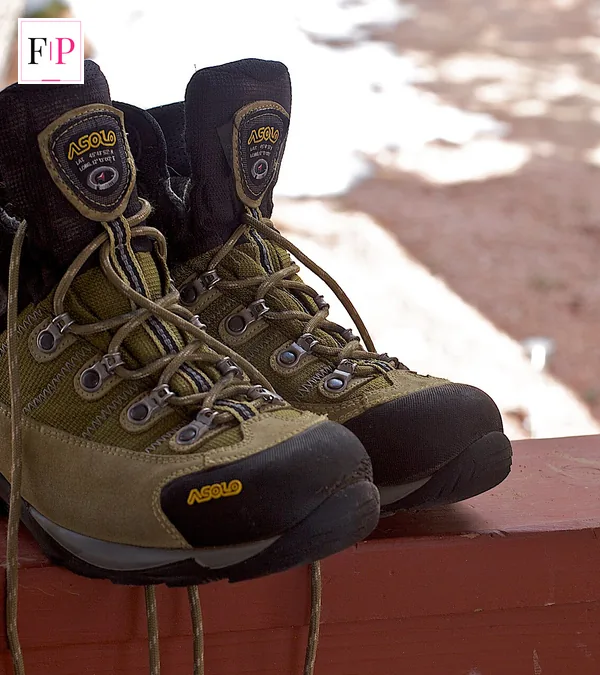
Comfortable shoes matter more than fashionable ones. Choose trainers or walking shoes with a cushioned sole, enough room for your toes and a back that does not rub, and break them in on short walks before a long one. Socks that wick moisture reduce blisters, and a light waterproof jacket earns its place in a British autumn. Dress in layers you can open or remove as you warm up, and carry water on longer walks, even in cooler weather.
October evenings in the UK grow dark quickly, and a little preparation keeps walking for weight loss safe after sunset. Wear something reflective or light-coloured so drivers and cyclists can see you, and choose well-lit, familiar routes with even pavements. Tell someone where you are going, carry a charged phone, and keep one ear free if you listen to music, so you can hear traffic. On unlit country lanes, a small torch or headtorch is sensible, and walking against the flow of traffic lets you see vehicles approaching.
Walking is gentle, but it is not risk-free for everyone. Stop and seek medical help promptly if you feel chest pain or tightness, severe or unusual breathlessness, dizziness or faintness, or pain that spreads to your arm or jaw. See your GP before increasing your activity if you have a heart condition, uncontrolled blood pressure, joint problems or diabetes, if you are pregnant, or if you are recovering from illness or surgery. Aching legs after a longer walk are normal; sharp joint pain that changes how you walk is not, and it deserves rest and, if it persists, professional advice.
What is walking for weight loss?
Walking for weight loss means using regular brisk walks, alongside balanced eating, to help create a calorie deficit over time. It is free and low-impact, needs no special kit, and fits into daily life as a commute, an errand or a park walk. Food matters most, so walking works best as part of a wider routine rather than on its own.
How much walking should adults aim for each week?
NHS guidance is that adults should aim for at least 150 minutes of moderate-intensity activity a week, and brisk walking counts towards that total. Moderate intensity means breathing faster and feeling warmer while still being able to talk. You do not need long sessions: shorter bouts spread across the day and week all count towards the weekly total.
How many steps a day should I start with?
Start from where you are now rather than chasing a headline figure. Measure your average steps over a few ordinary days, then add around 1,000 steps a day and hold that level for a week or two. When it feels normal, add a little more. There is no single magic number that suits everyone, and small increases you can keep beat a huge target you soon abandon.
What pace counts as brisk walking?
Use the talk test: at a brisk pace you should be able to talk in short sentences, but not sing a song out loud. You will feel warmer and breathe faster, while still feeling you could keep going. If you can chat without pausing for breath, pick the pace up slightly; if you cannot get your words out, ease off until you can.
Why has my progress stalled even though I am walking more?
Plateaus are normal after the first couple of months and are not a sign of failure. Check the basics first: food portions and drinks can quietly undo a walk, and poor sleep makes you hungrier and less active. Then change one thing at a time, such as a longer weekend walk or a hillier route, and keep two short strength sessions a week alongside your walking.
When should I speak to a GP about walking and weight?
See your GP before increasing your activity if you have a heart condition, uncontrolled blood pressure, joint problems or diabetes, if you are pregnant, or if you are recovering from illness or surgery. Stop and seek help promptly if you feel chest pain or tightness, severe breathlessness, dizziness or faintness while walking. This article is general information, not medical advice.
Conclusion: Small Walks, Repeated Often
Walking for weight loss works because it is ordinary: free, low-impact and repeatable on wet Tuesdays as well as bright Sundays. Aim for at least 150 minutes of moderate activity a week, build your steps up gradually from where you are now, walk briskly enough that you can talk but not sing, and let balanced eating do the heavy lifting. Add strength work twice a week, track your weekly totals, sleep properly and stay visible on dark evenings, and you have a plan that can carry you through autumn and well beyond.
Start today: put on comfortable shoes, set a timer for ten minutes, and take your first walk — then let walking for weight loss grow from that single, easy habit.
