



Last Updated: 16 October 2026
The budget 2026 date has been confirmed as Wednesday 28 October 2026, when Chancellor John Healey will deliver his first Autumn Budget in the House of Commons. With less than a fortnight to go, the budget 2026 date is the moment households, businesses and markets have been waiting for, because it is when rumour gives way to actual tax and spending decisions.
This guide sets out what is confirmed, what has been promised, and what is still only speculation. It covers the government’s stated focus on growth, jobs and fiscal discipline, the spending pressures reported by the Institute for Fiscal Studies, and the improved growth forecast from the International Monetary Fund. Just as importantly, it clearly labels anything that is not yet confirmed, because Budget speculation is not Budget fact, and no tax change is real until the Chancellor announces it on the day.
What is the Budget 2026 date? The Budget 2026 date is Wednesday 28 October 2026, when Chancellor John Healey will deliver his first Autumn Budget in the House of Commons, setting out the government’s tax and spending plans and its response to the official economic forecasts.
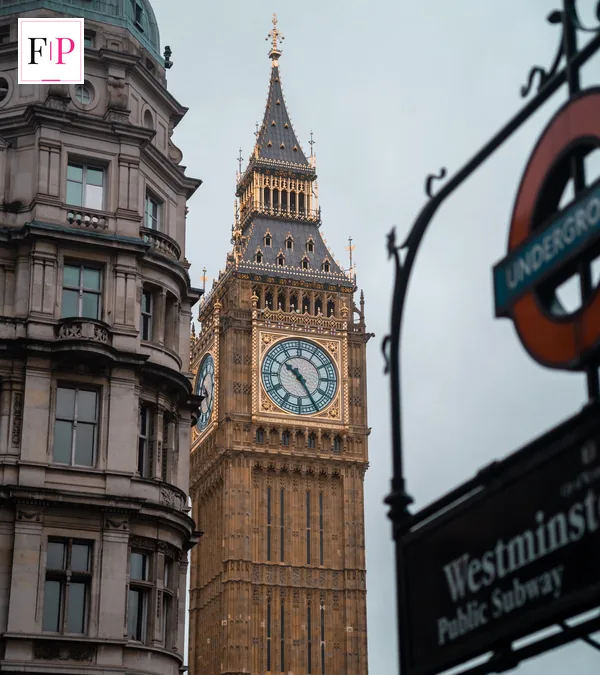
Budget 2026 Date Confirmed: Wednesday 28 October 2026
The Budget is the Chancellor of the Exchequer’s annual statement to Parliament setting out the government’s plans for tax, borrowing and public spending, usually accompanied by updated official forecasts for the economy and the public finances from the Office for Budget Responsibility.
Chancellor John Healey has confirmed that his first Autumn Budget will take place on Wednesday 28 October 2026. The announcement of the budget 2026 date ended weeks of guessing about the timing of the statement, and it gives businesses, councils, charities and households a fixed point around which to plan the rest of the financial year. Budget day itself usually begins with Prime Minister’s Questions, followed by the Chancellor’s speech in the early afternoon.
The Glasgow Times Budget explainer sets out the announcement and the background to the date in more detail, and it is a useful read if you want the story of how the timing was confirmed. What matters most for readers is the practical point: from now until 28 October, everything you hear about specific tax measures is briefing, analysis or speculation unless the Treasury itself has confirmed it.
After the speech, the detail lands quickly. Government documents are published online, the Office for Budget Responsibility releases its forecasts, and the debate in Parliament and the media begins. Some measures, such as duty changes, can take effect almost immediately, while others are legislated later in a Finance Bill. Knowing the date is only the start; knowing how to read the day is what this guide is for.
Why This Budget Matters So Much
Every Budget matters, but a Chancellor’s first Autumn Budget matters more than most. It sets the direction for the rest of the Parliament: how fast the government wants the economy to grow, how it intends to fund public services, and how much room it leaves itself against its own fiscal rules. The choices made on 28 October will shape tax bills, benefit rates, business costs and public spending well into the next decade.
For households, the stakes are immediate and personal. Decisions on income tax thresholds, pensions, savings and support with living costs feed directly into take-home pay and monthly budgets. Our wider coverage of the Autumn Budget 2026 follows the build-up and the announcements themselves, and it is worth bookmarking alongside this guide as the budget 2026 date approaches and the final details are confirmed.
For businesses, the Budget decides the cost environment for the year ahead: employer costs, business rates, investment incentives and sector-specific measures. Small firms in particular plan hiring, pricing and investment around Budget decisions, which is why business groups publish their wish lists weeks in advance and why the reaction in the hours after the speech can move markets and confidence alike.
What the Government Has Promised: Growth, Jobs and Fiscal Discipline
The government has framed this Budget around economic growth first and foremost. Its stated promises focus on growth, jobs, fiscal discipline and meeting its fiscal rules — the self-imposed limits on borrowing and debt that are meant to keep the public finances on a sustainable path. Ministers have repeatedly presented those four themes as the yardstick for the statement, and the Chancellor is expected to argue that the measures on 28 October serve all of them together.
Growth, in this framing, means raising the economy’s long-term capacity: investment, skills, planning and infrastructure, alongside a stable environment in which businesses are willing to spend. Jobs follow from that, because a growing economy with confident employers creates work. The Treasury’s own pages on HM Treasury on GOV.UK publish the government’s economic statements and documents, and the full Budget package will appear there on the day for anyone who wants the primary source rather than the headlines.
Fiscal discipline is the other half of the promise, and it is where the tension lies. Meeting the fiscal rules while funding public services and encouraging growth is a three-way pull, and something usually has to give. The Chancellor’s task on the budget 2026 date is to persuade Parliament, the public and the markets that nothing essential has given: that the sums add up, the rules are met, and the growth measures are real rather than rhetorical.
Readers should hold the government to its own words. When the speech is over, the fair questions are simple ones. Does the Office for Budget Responsibility judge the rules to be met? Do the forecasts show growth improving? And do the measures announced match the priorities the government itself set out in advance? Those three questions cut through most of the noise that surrounds any Budget.
The Pressures: Reported Spending Demands and Tight Fiscal Rules
The difficult backdrop to this Budget has been widely reported. Analysis from the Institute for Fiscal Studies has pointed to spending pressures of around £35 billion, reflecting demands on public services, existing commitments and the cost of previous decisions. That figure is an analyst’s assessment of the pressures the Chancellor faces, reported ahead of the Budget; it is not a government figure, and the final picture will only be clear when the official forecasts are published on the day.
Pressures of that scale explain why almost every Budget preview reaches the same conclusion: the Chancellor has limited room for giveaways. Money found for one priority is money not available for another, and borrowing to fill the gap is constrained by the fiscal rules the government has promised to meet. That arithmetic, more than any single announcement, is the story of this Budget.
It is also why modest-sounding measures can matter. A freeze here, a tightening there and a reform somewhere else can together raise or save significant sums without any single headline tax rise. When you read the coverage after the budget 2026 date, look beyond the one big announcement the headlines choose and scan the smaller lines of the Treasury documents, because that is often where the real effect on household and business budgets is hiding.
None of this means the Budget will be all restraint. Chancellors usually protect a small number of eye-catching measures even in tight years, targeted at their stated priorities. With growth and jobs at the top of this government’s list, expect whatever room exists to be directed there first — but treat that as an expectation based on the government’s framing, not as a confirmed announcement, until the speech is actually delivered.
Reasons for Cautious Optimism: The IMF Growth Forecast
Against that difficult backdrop, there has been one piece of genuinely helpful news for the Chancellor. The International Monetary Fund has raised its forecast for UK economic growth in 2026 to 1.3 per cent. A forecast is not a guarantee — the IMF revises its numbers as conditions change — but an upgrade is better than a downgrade, and it gives the government a firmer base from which to argue that its growth-first approach is beginning to work.
Growth matters to the public finances in a very direct way. A faster-growing economy produces more tax revenue and reduces pressure on some areas of spending, which makes the fiscal rules easier to meet without painful choices. Even small differences in the growth forecast can move the borrowing numbers by billions of pounds over the forecast period, which is why economists watch these revisions so closely in the run-up to a Budget.
The official verdict, though, comes from the Office for Budget Responsibility, not the IMF. The OBR forecasts published alongside the Budget are the ones the fiscal rules are judged against, and they may be more or less optimistic than the IMF’s view. The sensible way to read the IMF upgrade is as context: the wind is not blowing as hard against the Chancellor as it might have been, but the numbers that decide the budget 2026 date story are still to come.
For households, the practical translation is cautious rather than excited. Growth of 1.3 per cent is respectable rather than booming, and it does not by itself put money in anyone’s pocket. What it may do is reduce the need for the harshest options in the Chancellor’s in-tray, and support the case for the jobs and investment measures the government has promised. Judge the Budget by what is announced, not by the forecast that preceded it.
What Might Change? Separating Fact From Speculation
The weeks before any Budget fill with speculation about tax measures, and this year is no exception. It is essential to be clear: speculation about tax measures is NOT confirmed. No rumoured change to income tax, national insurance, pensions, savings, property taxes or duties is real unless and until the Chancellor announces it on 28 October and it appears in the official Budget documents. Acting on a rumour can be expensive; waiting a fortnight costs nothing.
- Confirmed: the Budget will take place on Wednesday 28 October 2026, delivered by Chancellor John Healey as his first Autumn Budget.
- Confirmed as government promises: the stated focus is growth, jobs, fiscal discipline and meeting the fiscal rules.
- Reported analysis, not government figures: IFS analysis pointing to around £35 billion of spending pressures, and the IMF’s raised UK growth forecast of 1.3 per cent for 2026.
- Speculation only — NOT confirmed: every rumoured tax rise, freeze, cut or new charge circulating in newspapers and on social media, whatever the topic.
- Speculation only — NOT confirmed: any claim about pensions or the triple lock; readers following that debate can read our explainer on the state pension triple lock for how the current system works today.
- Decided on the day: the OBR forecasts, the verdict on the fiscal rules and the full list of measures will only be published with the Budget itself.
This separation matters because Budget rumours move real behaviour. Every year, people rush to withdraw pension money, complete property sales or rearrange savings based on changes that are never announced. Financial advisers generally warn against making irreversible decisions on the basis of speculation. If a rumoured change would affect you, the sensible preparation is to understand your current position and your options, then decide once the facts are published on the budget 2026 date.
When the day comes, check claims against the official documents before believing or sharing them. Screenshots and summaries on social media frequently garble thresholds, dates and conditions. The Treasury and GOV.UK publish the measures in full, and reputable news organisations correct their coverage as the detail emerges. An hour spent with the real documents is worth more than a week of rumour.
How to Prepare Your Money Before Budget Day
Preparation does not mean prediction. The useful steps before a Budget are the ones that are sensible whatever the Chancellor announces: knowing your position, using allowances you already have, and avoiding rushed decisions. These six steps will leave you ready to respond to the actual announcements on the budget 2026 date rather than the rumours before it.
- Review your current tax position. Check your tax code, your likely income for the year and whether you are close to any thresholds, so announcements can be judged against your real situation.
- Use existing allowances calmly, not in a panic. If you were already planning to use ISA or pension allowances, carry on as planned; do not accelerate irreversible moves purely because of speculation.
- List the announcements that would actually affect you. Most Budget measures will not apply to most people; a short personal list keeps the day in proportion.
- Check your emergency savings and monthly budget. A clear household budget is the best protection against any change, expected or not, and October is a good month to refresh it before winter costs arrive.
- Plan to read the official summary on the day. Set aside time on 28 October to read the Treasury documents or a trusted summary, and note effective dates — many measures start in a later tax year.
- Take advice before big decisions afterwards. If announced changes genuinely affect your pension, property or business, speak to a qualified, regulated adviser before acting.
Businesses can follow the same discipline: model the effect of announced measures once they are real, rather than briefing staff or customers on rumours. Councils, charities and public bodies will do their own detailed reading of the spending settlements in the days after the speech, so if your work depends on public funding, expect firm information slightly later in the week rather than on Budget day itself.
Disclaimer: this article is general information about the Budget 2026 date and the Budget process only. It is not financial, tax or legal advice, and nothing rumoured in it should be treated as confirmed. For decisions about your own money, please check the official Budget documents on GOV.UK or speak to a qualified, regulated adviser.
What is the Budget 2026 date?
The Budget 2026 date is Wednesday 28 October 2026. Chancellor John Healey will deliver his first Autumn Budget in the House of Commons on that day, setting out the government’s tax and spending plans alongside the latest official forecasts from the Office for Budget Responsibility.
Who is delivering the Budget on 28 October 2026?
The Budget will be delivered by Chancellor John Healey, and it will be his first Autumn Budget. As Chancellor of the Exchequer, he is responsible for the government’s tax, spending and borrowing plans and for presenting them to Parliament in the Budget speech.
What has the government promised for this Budget?
The government’s stated promises focus on growth, jobs, fiscal discipline and meeting its fiscal rules. Those themes are the yardstick ministers have set for the statement, and the Chancellor is expected to argue on the day that the measures announced serve all of them together.
What are the spending pressures facing the Chancellor?
Analysis from the Institute for Fiscal Studies has been reported as pointing to around £35 billion of spending pressures, reflecting demands on public services and existing commitments. That is an analyst’s assessment reported ahead of the Budget, not a government figure, and the official picture will be published on Budget day.
Are the rumoured tax changes for Budget 2026 confirmed?
No. Speculation about tax measures is not confirmed, however widely it is reported. No rumoured change to income tax, national insurance, pensions, savings or duties is real unless the Chancellor announces it on 28 October 2026 and it appears in the official Budget documents published by the Treasury.
How can I prepare for the Budget 2026 date?
Review your tax position and household budget, keep using existing allowances as planned rather than making rushed decisions based on rumours, and note which announcements would actually affect you. On the day itself, read the official Treasury summary and check effective dates, because many measures start in a later tax year.
Conclusion: Mark the Budget 2026 Date and Wait for the Facts
The budget 2026 date is set: Wednesday 28 October 2026, Chancellor John Healey’s first Autumn Budget. The government has promised a focus on growth, jobs, fiscal discipline and meeting its fiscal rules; reported analysis points to around £35 billion of spending pressures; and the IMF’s raised growth forecast of 1.3 per cent offers a little breathing room. Everything else, for now, is speculation — and speculation is not a basis for financial decisions.
Put Wednesday 28 October in your diary, prepare your household budget this week, and judge this Budget on the official documents published on the budget 2026 date itself. That calm, facts-first approach will serve you better than any rumour in the fortnight ahead, whatever the Chancellor announces when he stands up in the Commons.
