


Last Updated: 15 October 2026
The best smartwatch 2026 buyers choose is rarely the most expensive one on the shelf: it is the watch that works properly with their phone, survives their week without constant charging, and tracks the things they actually care about. Autumn is the busiest buying season of the year, with fresh models on sale, older models discounted, and Christmas lists already being written, so the choice can feel overwhelming.
This guide cuts through the noise in plain English. We explain how to find the best smartwatch 2026 offers for your phone, your health goals and your budget, what battery life really means in daily use, why screen size matters more than most people expect, and how the main watch families differ. Prices change constantly, so check current UK prices at retailers on the day you buy rather than trusting any figure you read in advance. We also explain which headline extras are genuinely worth paying for this year, and which you can safely skip without missing out.
What is the best smartwatch 2026 buyers should choose? The best smartwatch 2026 pick is the one that matches your phone first: Apple Watch for iPhone owners, Samsung Galaxy Watch or Google Pixel Watch for Android owners, and Garmin for serious sport and long battery life, all within the budget tier that suits you.
What Is a Smartwatch? A Plain Definition
A smartwatch is a wrist-worn mini computer that pairs with your smartphone to show notifications, calls and apps on your wrist, while using sensors to track activity, exercise, heart rate and sleep. That is the whole idea in one sentence: your phone’s most useful alerts and your body’s basic health signals, available at a glance without reaching into your pocket.
In daily life, that means reading a message in a meeting without picking up your phone, paying at a shop till with a tap of your wrist, following a map direction while your hands are full, or glancing at your pace halfway through a run. For many British buyers, contactless payment and train or Tube travel are the quiet everyday wins, alongside the fitness tracking that gets most of the attention in adverts.
It also helps to know what a smartwatch is not. It is not a medical device, however clever its sensors become, and it is not a replacement for your phone: most models rely on the phone in your pocket or bag for their internet connection, apps and setup. Think of it as a companion screen that makes your phone easier to live with and your health habits easier to see.
The search for the best smartwatch 2026 therefore starts with fit, in every sense: fit with your phone, fit with your routine, and fit on your wrist. The next sections take those tests one at a time, in the order that matters most.
Best Smartwatch 2026: Start With Your Phone
Compatibility is the first and least forgiving test, because no amount of battery life or screen quality can rescue a watch that does not work with your phone. The rule is simple: an Apple Watch only works with an iPhone. If you own an Android phone, an Apple Watch cannot be set up or used properly, however much you like the design. Our guide to the iPhone 17 Pro Max is a useful companion read if you are weighing up a phone change at the same time.
Android owners have the wider choice. Samsung’s Galaxy Watch range is designed to sit naturally alongside Samsung phones, while Google’s Pixel Watch range is built around Google’s own software and services. Both families also work with other Android phones, although a small number of extra features can be reserved for the maker’s own handsets, so check the small print for the exact model you are considering. Apple sets out its current range on the official Apple Watch page on Apple UK, and Samsung does the same on its official Samsung UK watches page.
Garmin takes a different route and is the great peacemaker of the smartwatch world: its watches generally work with both iPhone and Android, because Garmin focuses on sport and outdoor tracking rather than on being an extension of one phone brand. That cross-platform freedom is one reason runners and hikers so often end up wearing one, and it also means a Garmin is less likely to be stranded if you switch phone brands later.
So the honest shortlist for the best smartwatch 2026 writes itself once you name your phone. iPhone owners should compare within the Apple Watch range. Samsung phone owners should start with Galaxy Watch, Pixel owners with Pixel Watch, other Android owners with both, and anyone whose priority is training or the outdoors should put Garmin on the list whatever phone they carry.
Battery Life: The Feature You Feel Every Day
Battery life is where smartwatches differ most, and where marketing language needs translating. Feature-packed watches with bright screens, such as those from Apple, Samsung and Google, are generally designed around daily or near-daily charging for most users: you top them up while you shower or sit at your desk, much as you do with your phone. How long any individual watch lasts depends heavily on screen settings, workouts tracked and whether features such as an always-on display are switched on. It is a useful reminder that the best smartwatch 2026 on paper can still be the wrong watch in practice if its charging rhythm annoys you every single day.
Sports-focused watches play a different game. Garmin and similar outdoor brands build battery life into the design, and their watches typically run far longer between charges than the phone-companion models, especially if you are relaxed about screen brightness and smart features. For a runner training for a marathon, a hiker on a multi-day route, or simply someone who hates chargers, that difference can matter more than any app.
Be honest about your own habits before you decide. If you already charge a phone every night, adding a watch to the routine is painless, and the richer smart features of an Apple Watch, Galaxy Watch or Pixel Watch are yours to enjoy. If you know a daily charge will quietly become a dead watch in a drawer by February, put battery life at the top of your list and look seriously at the longer-lasting designs.
One practical tip for any model: sleep tracking only works if the watch is on your wrist overnight, not on its charger. Many owners of daily-charge watches adopt a simple rhythm of charging during breakfast or an evening bath, which keeps the watch available for both the day’s steps and the night’s sleep. The best smartwatch 2026 for you is partly the one whose charging rhythm fits the life you already live.
Health and Fitness Tracking: What Actually Helps
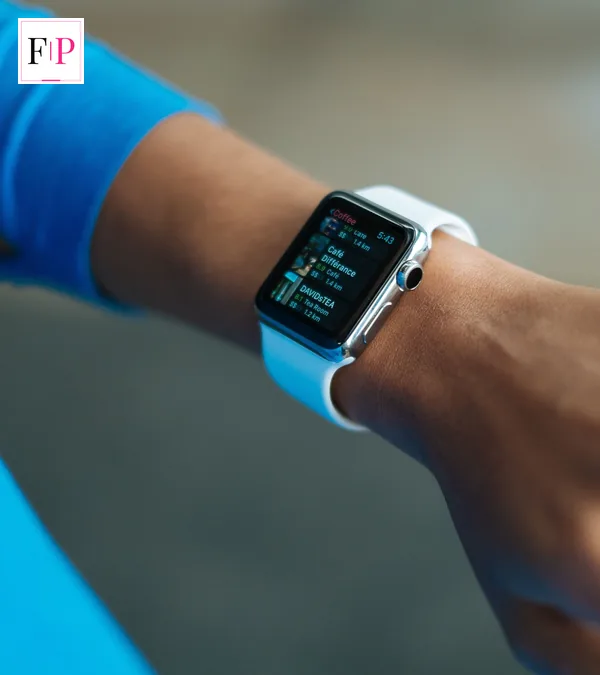
Every serious contender now tracks the basics well: steps, exercise minutes, heart rate, sleep stages and calories burned, with guided workouts and challenges to keep you moving. The differences appear in the detail. Apple, Samsung and Google each present health data inside their own phone apps, with trends, reminders and gentle coaching. Garmin goes deeper for athletes, with training load, recovery advice and detailed sport profiles that keen runners and cyclists genuinely use.
The health extras vary by model and sometimes by country, so treat headline features as a checklist to verify rather than a promise. Depending on the exact watch, ranges may include features such as:
- Heart-rate and workout tracking: continuous heart-rate readings, automatic workout detection and GPS routes for runs, rides and walks, offered across all the main families in some form.
- Sleep tracking: time asleep, sleep stages and consistency scores, designed to help you spot patterns rather than to diagnose anything.
- Heart health features on selected models: some watches offer ECG or irregular-rhythm notifications, but availability varies by model and region, so confirm the exact feature is enabled in the UK before you rely on it.
- Safety tools: fall detection and emergency SOS calling on selected models, which can contact help after a hard fall if you cannot respond.
- Period and wellbeing tracking: cycle tracking and mindfulness or stress features on many current models, presented as wellbeing support rather than medical measurement.
Two cautions deserve emphasis. First, wrist sensors estimate: they are excellent for trends, motivation and spotting change over time, but they are not medical instruments, and no smartwatch reading should replace proper medical advice or equipment. If a reading worries you, speak to your GP or another health professional, not your watch app. Second, the most advanced health feature is worthless if the watch is too uncomfortable to wear all day, which brings us neatly to screens and sizing.
For most people, the best smartwatch 2026 for health is simply the one they will still be wearing in six months. A modest tracker worn daily beats a flagship abandoned in a drawer, so comfort, battery rhythm and an app you actually enjoy opening all count as health features in practice.
Screen, Size and Comfort: Trying Before You Buy
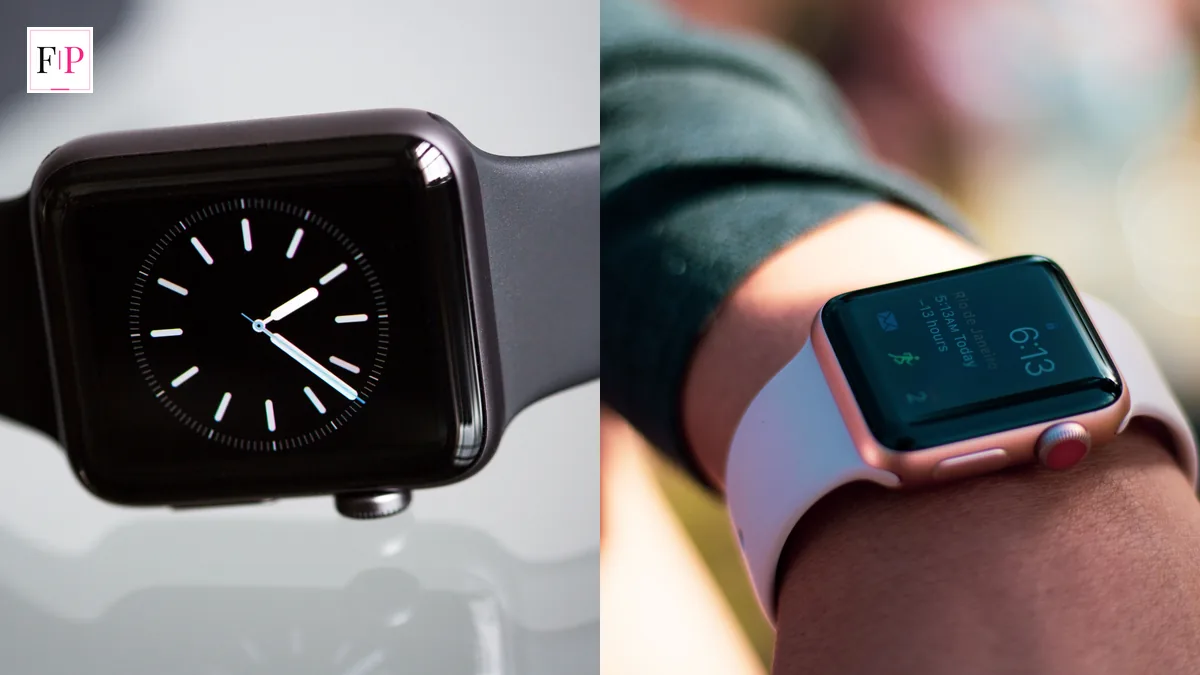
Smartwatch screens have become bright, sharp and easy to read outdoors, and the main families all offer clear displays that cope well with British weather, from low autumn sun to the usual drizzle. What differs is size and shape. Apple uses a rounded rectangular case, Samsung and Google favour round faces that mimic a traditional watch, and Garmin offers both round faces and tougher outdoor designs. None is objectively best: it is a matter of taste, wrist size and how much information you like to see at a glance, and many a best smartwatch 2026 shortlist has been settled by shape alone.
Case size is the decision buyers most often get wrong online. A large case looks impressive in photographs but can overwhelm a slim wrist, catch on shirt cuffs and feel heavy during sleep tracking. A smaller case is neater and lighter but shows less text and can feel fiddly if you have larger fingers. If you can, try both sizes on in a shop, with your usual sleeve, before you buy: five minutes on the wrist teaches more than an hour of comparing measurements.
Straps matter more than the adverts suggest. Sport straps are soft, washable and ideal for the gym, while metal and leather straps dress the same watch up for work or an evening out, and most ranges let you swap them in seconds. Budget for a second strap when you buy and one watch can cover training, office and occasion wear without looking out of place in any of them.
Finally, check water resistance in plain terms before you swim or shower in any watch. Ratings vary by model, and resistance can weaken with age, knocks and wear. Treat every rating as splash and rain protection unless the maker clearly states the exact model is suitable for swimming, and rinse a watch after sea or pool use if its guidance recommends it.
Best Smartwatch 2026 by Need: A Simple Comparison
If you have read this far, your shortlist is probably already forming. This table sums up the guide in one place, matching common British buying situations to the family worth looking at first. It is a starting point, not a ranking: within each family there are sizes, finishes and price points to compare, and the right answer is the one that fits your phone, wrist and wallet together.
| Your situation | Look at first | Why it suits |
|---|---|---|
| You own an iPhone | Apple Watch | The only watch family that works fully with iPhone, with the widest range of apps and accessories |
| You own a Samsung Android phone | Samsung Galaxy Watch | Designed to pair naturally with Samsung phones, with strong health and smart features |
| You own a Google Pixel or other Android phone | Google Pixel Watch | Built around Google software and services, in a neat round design |
| You train seriously or live outdoors | Garmin | Deep sport tracking, recovery insight and much longer battery life, on iPhone or Android |
| You want the lowest sensible spend | Entry-level models across the ranges | Core notifications, activity and sleep tracking for far less than the flagships |
Budget tiers deserve a plain word, because this is where readers are most often misled by old articles. As a rough guide only, entry-level smartwatches tend to sit under around £150, the popular middle ground of well-known ranges sits roughly between £150 and £300, and premium finishes, larger cases and cellular versions sit above that. Those bands are deliberately broad: models move between them constantly as discounts land, so use them to plan a budget for the best smartwatch 2026 you can afford, then check the exact price on the day.
Cellular, sometimes called LTE, versions deserve a special mention. A cellular watch can make calls, stream music and receive messages with your phone left at home, which runners and dog walkers love, but it needs a compatible UK network plan, usually for an extra monthly fee. Ask your network what it charges before you pay extra for the cellular model, or the bargain watch can become the expensive one.
However you buy, complete the picture sensibly. A watch pairs beautifully with good wireless earbuds for runs and calls, and our review of the AirPods Pro 3 explains the current flagship option for iPhone owners. Buy from Apple, Samsung, Google, Garmin or a reputable UK retailer, keep the receipt, and check the returns window: most sellers allow a change of mind, which is your safety net if the size is wrong.
What is the best smartwatch 2026 buyers should choose?
Start with your phone. iPhone owners should choose from the Apple Watch range, Android owners from Samsung Galaxy Watch or Google Pixel Watch, and keen runners, hikers and anyone who hates daily charging should look at Garmin. Then pick the size and budget tier that fits your wrist and your week.
Can I use an Apple Watch with an Android phone?
No. An Apple Watch can only be set up and used with an iPhone, so Android owners should look at Samsung Galaxy Watch, Google Pixel Watch or a cross-platform option such as Garmin instead. If you are changing phones as well, decide the phone first and let it choose the watch family for you.
Which smartwatch has the longest battery life?
Sports and outdoor watches, such as Garmin’s ranges, generally last far longer between charges than feature-packed phone-companion watches from Apple, Samsung and Google, which are typically designed around daily or near-daily charging. Your own use matters too: screen brightness, always-on display settings and GPS workouts all shorten battery life on any model.
How much should I spend on a smartwatch in the UK?
As a rough guide only, entry-level models tend to sit under around £150, the popular middle ground sits roughly between £150 and £300, and premium finishes, larger cases and cellular versions sit above that. Prices and discounts change constantly, so check current UK prices at retailers on the day you buy.
Can a smartwatch replace medical checks for my heart?
No. Smartwatch sensors are good for spotting trends in activity, heart rate and sleep, and selected models offer extra heart features whose availability varies by model and region. They are not medical devices, so never rely on a watch reading for a diagnosis. If anything worries you, speak to your GP or another health professional.
Should I buy a cellular smartwatch or the standard version?
Choose cellular, sometimes called LTE, only if you will genuinely leave your phone at home, for example on runs or dog walks, and want calls, messages and music on the watch alone. A cellular model needs a compatible UK network plan, usually for an extra monthly fee, so check your network’s charge first. For most buyers, the standard version does everything they need.
Conclusion: Choose for Your Phone, Your Week and Your Budget
The best smartwatch 2026 is not a single product: it is a match. Match the watch to your phone first, because compatibility decides everything else. Then match it to your week: daily charging and rich apps, or long battery life and deep sport tracking. Finally, match it to your budget tier, try the size on your wrist if you possibly can, and only then compare the finishing details.
Shortlist two models that fit your phone today, try them on in store this week if you can, and check current UK prices at two or three retailers on the day you buy. Do that, and whichever of these excellent families you choose, you will end up with the best smartwatch 2026 could offer you personally: one you will still be happily wearing next autumn.
