


Last Updated: 14 October 2026
If you want an ordinary walk to work a little harder for you, japanese walking is well worth trying this autumn. It takes the simplest exercise there is — putting one foot in front of the other — and adds a gentle pattern of fast and slow intervals that researchers in Japan have studied for years. There is no gym to join, no class to book and no special kit to buy, which is exactly why japanese walking has quietly become one of the most searched-for walking methods of the year.
This guide explains japanese walking in plain English: where the method came from, the exact three-minute interval routine to follow, what the studies have actually found, and how to start safely if you are a beginner. Everything is written as general fitness information, not medical advice, and the whole session takes about half an hour — easy to fit around work, family and the British weather.
What is japanese walking? Japanese walking, also called interval walking training, means alternating three minutes of fast walking with three minutes of slow, gentle walking for about 30 minutes. Studies have linked it to better leg strength, aerobic fitness and blood pressure in middle-aged and older adults.
What Is Japanese Walking?
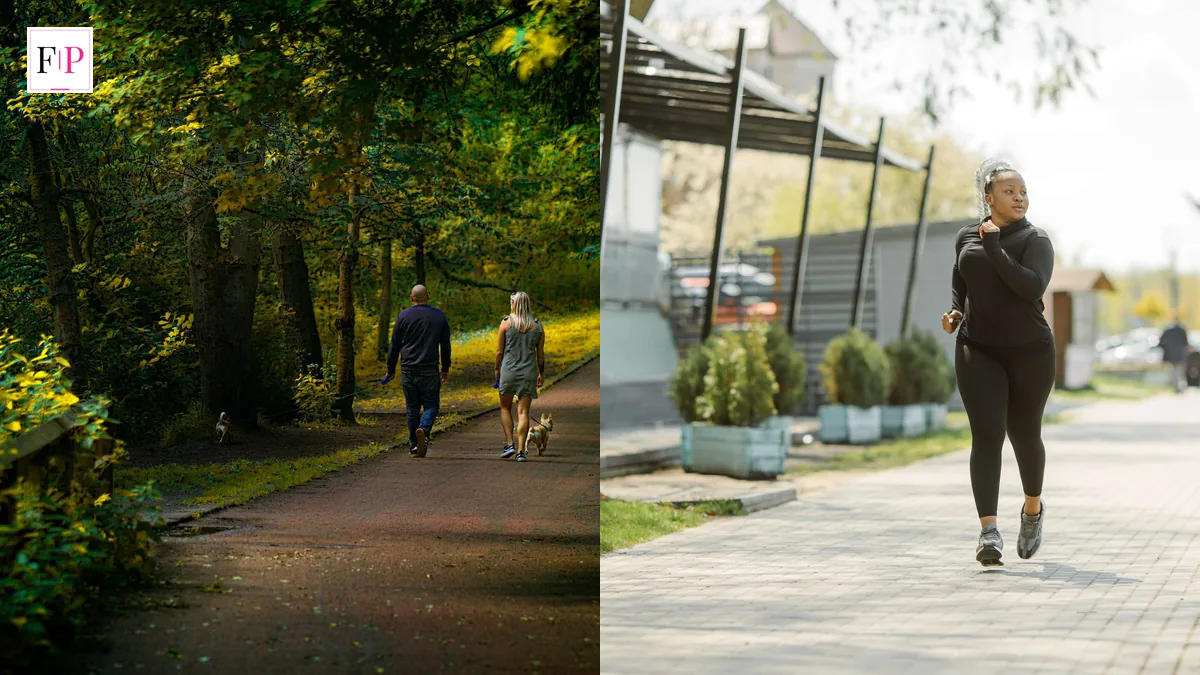
Put plainly: japanese walking is a walking method that alternates three minutes of fast walking with three minutes of slow walking, repeated for around 30 minutes. That one sentence is the whole technique. You are never asked to run, sprint or push to exhaustion — you simply change your pace on a timer, walking briskly enough to feel warm and slightly breathless, then easing right off to recover, again and again.
The method is also known as interval walking training, often shortened to IWT, and that name explains why it feels different from a normal stroll. A steady walk keeps your effort in one comfortable gear from start to finish. Japanese walking deliberately shifts gears. The fast sections ask a little more of your heart, lungs and leg muscles, while the slow sections give you just enough recovery to go again — so across half an hour you collect far more purposeful effort than the clock suggests.
That structure is also what makes the routine so approachable. Because every fast spell lasts only three minutes, it never feels endless, and because a slow spell always follows, beginners rarely feel overwhelmed. You can do it on a park path, around your local streets, along a canal towpath or even on a treadmill if the weather turns. All you really need is a route you enjoy, comfortable shoes and a way of timing the intervals — a phone timer, a watch or a free interval app all do the job perfectly well.
Where the Method Came From: The Japanese Research
Japanese walking was developed by researchers in Japan, in studies carried out at Shinshu University and commonly associated with Professor Hiroshi Nose and his team. Their starting question was a practical one: how could middle-aged and older adults gain the benefits of harder exercise without the strain, injury risk and sheer reluctance that put so many people off vigorous workouts in the first place?
The answer they tested was walking — but walking with intervals built in. In their studies, volunteers were asked to alternate short bursts of fast walking with gentle recovery walking, rather than simply strolling at one steady, moderate pace. The fast pace was set at roughly 70% of each walker’s peak aerobic capacity: brisk enough that talking remains possible, but you are a little breathless and would rather not hold a long conversation. The slow pace, by contrast, is a relaxed amble at which chatting feels easy again.
The programme the researchers settled on is refreshingly modest. Sessions last about 30 minutes in total, and participants were typically asked to repeat them on at least four days a week. No gym, weights or specialist clothing were involved, which mattered for the studies and matters just as much for the rest of us: a routine that needs nothing but shoes and a timer is a routine people actually keep. If you would like the NHS view on why everyday walking is such a solid foundation, its walking for health guidance is a sensible place to start.
How to Do Japanese Walking: The 3-Minute Interval Routine
Here is the japanese walking routine step by step. Do not be put off by the numbers — after one or two sessions the rhythm becomes second nature, and most people find they start looking forward to the changes of pace rather than dreading them.
- Warm up first: walk gently for three to five minutes at an easy pace until your legs feel loose and your breathing settles.
- Walk fast for 3 minutes: lengthen your stride, swing your arms and pick up the pace to around 70% of your best effort — you can talk, but you are a bit breathless.
- Walk slowly for 3 minutes: drop to a gentle, relaxed stroll and let your breathing recover fully. This is rest, not a failure — take it properly.
- Repeat the pair: alternate fast and slow three-minute blocks until you have covered about 30 minutes in total, which usually means five fast blocks and five slow blocks.
- Cool down and stretch: finish with a few minutes of easy walking, then gently stretch your calves, thighs and hips if that feels comfortable.
The table below shows how a standard 30-minute session fits together, so you can glance at it before you set off rather than doing sums on the pavement.
| Minutes | Pace | How it should feel |
|---|---|---|
| 0–5 | Warm-up | Easy strolling while your legs loosen up and your breathing settles. |
| 5–8 | Fast | Brisk and purposeful: warm, slightly breathless, able to talk in short phrases. |
| 8–11 | Slow | Gentle recovery pace; breathing returns to normal and legs relax. |
| 11–26 | Fast and slow, alternating | Repeat the three-minute fast and slow blocks until you near the half hour. |
| 26–30 | Cool-down | Easy walking to finish, followed by gentle stretches if you wish. |
You need very little to get started with this routine. Keep the list short and the friction low:
- Comfortable, supportive shoes: trainers or walking shoes you already own are fine — no new kit is required.
- A timer: a phone timer, a sports watch or a free interval app to mark each three-minute block.
- A safe, fairly flat route: a park loop or quiet streets where you can change pace without dodging traffic.
- Water and weather sense: a small bottle on warmer days, and layers you can shed during the fast blocks.
What the Studies Found: Strength, Fitness and Blood Pressure
So what did the Shinshu University research actually show? Studies have linked japanese walking to improved leg strength, better aerobic fitness and lower blood pressure in middle-aged and older adults, compared with walking at a steady moderate pace for the same amount of time. In other words, the walkers who mixed their pace tended to gain more from their half hour than the walkers who kept one comfortable speed throughout.
It is worth being honest about what that does and does not mean. These are study findings in particular groups of adults, reported in general terms — not a promise that any one person’s blood pressure or fitness will change by a set amount. Bodies, starting points and health histories differ enormously. What the research does suggest, consistently, is that the pattern of effort matters: short, regular spells of brisker walking appear to give your muscles and cardiovascular system a stronger training signal than the same minutes spent ambling, while the recovery spells keep the whole thing sustainable.
There is also a quieter benefit that rarely makes headlines: confidence. Because japanese walking is built from ordinary walking, people who would never join a gym or attempt a run often stick with it for months. Legs that feel stronger on the stairs, a hill that no longer leaves you winded, a route that takes two minutes less than it did in spring — those small, visible wins are what turn a four-week experiment into a lasting habit, and lasting habits are where the real health value lives.
Who It Suits — and How It Compares With Other Walking Styles
The typical japanese walking routine — about 30 minutes, at least four days a week — suits a wide range of people. It is a natural next step if you already walk the dog, stroll to the shops or get your steps in at lunchtime and feel ready for a touch more challenge. It also appeals to people returning to exercise after a break, because the effort is self-limiting: your fast pace is simply your fast pace on that day, not a speed set by an instructor or an app.
It helps to see where the method sits alongside other popular approaches. If you enjoy long, steady, conversational efforts, our guide to zone 2 cardio explains that gentler style in depth — and the two pair beautifully, with steady walks on some days and intervals on others. Likewise, if you are building a broader cold-weather routine, a japanese walking session slots neatly into the weekly structure set out in our winter wellness plan, filling the cardio and daylight-walk slots without needing a gym.
Beginners should treat the published routine as a destination, not a starting line. If 30 minutes feels like a lot, begin with 15 or 20 minutes, use two-minute fast blocks, or allow the fast pace to be merely “brisker than usual” for the first fortnight. The studies built fitness gradually over weeks, and there is no prize for completing the full template on day one. What matters is the pattern — fast, slow, repeat — practised little and often until it feels ordinary.
Staying Safe: Warm-Ups, Footwear and When to Check With a GP
A short safety note, because it matters. This article offers general fitness information about japanese walking, not medical advice, and the routine still asks your body to work harder than a stroll does. Always warm up gently before the first fast block, build up gradually over your first few weeks, and cool down at the end rather than stopping dead at your front door. Comfortable, supportive shoes with a decent grip make a real difference, especially on wet leaves and uneven pavements in autumn and winter.
Anyone with a health condition — including heart, joint, breathing or balance problems — or anyone returning from illness, injury or a long period of inactivity, should check with a GP before starting, and follow their GP’s guidance over anything written here. The same applies if you are pregnant or taking medication that affects your heart rate or balance. During a session, ease off immediately if you feel pain, dizziness, chest discomfort or breathlessness that feels wrong rather than simply brisk; steady progress never requires pushing through warning signs.
Finally, be sensible about your surroundings. Choose well-lit routes after dark, wear something visible in low light, and keep one ear free if you listen to music, so you stay aware of traffic and cyclists. None of this is meant to put you off — japanese walking is, by design, one of the gentlest structured exercises there is. A minute of common sense at the start simply keeps it that way.
What is japanese walking?
Japanese walking, also called interval walking training, is a method developed by researchers in Japan. You alternate three minutes of fast walking — brisk enough to be a little breathless, at about 70% of your peak aerobic capacity — with three minutes of slow, gentle walking, repeating the pattern for about 30 minutes in total.
How often should I do japanese walking?
The routine used in the Shinshu University studies was about 30 minutes per session, typically on at least four days a week. Beginners can start with shorter sessions of 15 to 20 minutes on two or three days and build up gradually over the first few weeks as the rhythm starts to feel familiar.
Do I need any special equipment for japanese walking?
No. Japanese walking needs no gym and no special kit beyond comfortable, supportive shoes and a timer — a phone timer, a watch or a free interval app all work well for marking the three-minute blocks. A safe, fairly flat route such as a park path or quiet streets is also helpful.
What did the studies find about japanese walking?
Studies from Shinshu University in Japan, commonly associated with Professor Hiroshi Nose, linked interval walking training to improved leg strength, better aerobic fitness and lower blood pressure in middle-aged and older adults, compared with walking at a steady moderate pace. These are study findings in particular groups, not guarantees for any individual.
Is japanese walking suitable for beginners?
Yes, generally — the effort is self-limiting because your fast pace is simply your own brisk pace on the day. Start with shorter sessions or two-minute fast blocks, warm up gently and build up gradually. If you have a health condition, are returning from illness or injury, or feel unsure, check with your GP before you start.
How is japanese walking different from a normal walk?
A normal walk usually keeps one steady pace from start to finish, whereas japanese walking deliberately changes pace every three minutes. The fast blocks give your heart, lungs and leg muscles a stronger training signal, and the slow blocks give you enough recovery to repeat the effort across a full 30-minute session.
Conclusion
Conclusion: a timer, a route and three minutes at a time — that is all japanese walking asks of you.
To recap: japanese walking alternates three minutes of fast walking with three minutes of slow walking for about 30 minutes, typically at least four days a week. Developed through research at Shinshu University in Japan, it has been linked in studies to stronger legs, better aerobic fitness and lower blood pressure than steady walking aloTry your first session this week — set a timer, pick a favourite route, and explore more of our Fitness guides here on FamePost to keep your routine growing.ne — with no gym, no fees and no special kit beyond comfortable shoes and a timer. Start gently, build gradually, check with a GP first if you have any health concerns, and let the intervals do the quiet work.
