



Last Updated: 8 October 2026
couch to 5k is the plan thousands of Britons are starting this autumn, and for good reason: it takes people who do little or no exercise and, in just nine weeks, helps them run for 30 minutes without stopping. No gym membership, no expensive kit and no previous experience are required — just three short sessions a week and a pair of trainers.
Autumn is peak beginner season. The evenings are still light enough, the parks are quieter than in January, and there is time to finish before winter bites. If you have been thinking about running but assumed it was not for you, couch to 5k was designed with exactly you in mind. This guide explains how the plan works, what each week typically involves, how the free NHS app supports you, and the mistakes that trip up most beginners.
What is couch to 5k? Couch to 5k is the NHS-supported nine-week running plan for complete beginners. You run three times a week, alternating walking and running, take rest days in between, and build gradually until you can run for 30 minutes non-stop — roughly 5K — by week nine.
What Is Couch to 5K? The Simple Definition
Here is a plain definition: couch to 5k is a structured nine-week training plan, supported by the NHS, that alternates short bursts of running with periods of walking, gradually increasing the running until beginners can run continuously for about 30 minutes. The name says it all — it is meant to take you from the sofa to running roughly five kilometres.
The genius of couch to 5k is what it does not ask of you. It does not ask you to run fast. It does not ask you to run every day. It does not even ask you to run for very long at first: in the opening week, the running bursts are short and broken up by generous walks, so almost anyone who can walk briskly for half an hour can complete the first session.
Each week follows the same rhythm: three runs, with at least one rest day between them. Those rest days are not a weakness in the plan — they are part of it. Your muscles, joints and cardiovascular system adapt while you recover, which is why couch to 5k insists you never run on consecutive days as a beginner, however enthusiastic you feel.
The plan is also completely free. The NHS Couch to 5K app guides every session with spoken instructions, and the underlying structure is simple enough to follow with nothing more than a watch. For the official programme details, see the NHS guide to getting running, which sets out the plan and its benefits.
Why Britain Is Falling for Couch to 5K Again
The timing could hardly be better. Britain is in the middle of a genuine running boom. The SportsShoes 2026 Running Report, based on a YouGov survey of 5,000 UK adults carried out in January 2026, found that 17 per cent of adults run outdoors at least once a month — and that the appetite for more is growing fast.
- 6 per cent of the population say they want to start running in 2026.
- 18 per cent of existing runners want to run more — up sharply from 8 per cent in 2024.
- Gen Z is the keenest group: 43 per cent of 18 to 28-year-olds want to start running or run more.
- Top motivations: fitness (37 per cent), the challenge (30 per cent), weight loss (30 per cent) and mental health (28 per cent).
Those motivations explain why couch to 5k keeps winning converts. It answers all four at once: it improves fitness measurably week by week, it provides a clear challenge with a finish line, it supports healthy weight management, and many graduates say the mental health benefits — better sleep, lower stress, time outdoors — matter most of all.
Coverage of the report, including in SGB Media’s summary of the SportsShoes 2026 Running Report, describes a bullish picture for UK running. The takeaway for beginners is encouraging: you are not starting alone. Thousands of people at exactly your level are lacing up this autumn, and this is the route most of them choose.
Couch to 5K Week by Week: The Typical 9-Week Structure
So what does couch to 5k actually involve, week by week? Every session starts with a brisk five-minute warm-up walk and ends with a five-minute cool-down walk. In between, the running and walking intervals change as the weeks progress. The outline below shows the typical structure in general terms — exact intervals can vary slightly between versions of the plan, so follow your app during each session.
- Week 1: short running bursts of about a minute, separated by longer walks, repeated for around 20 minutes. The goal is simply to finish feeling you could do a little more.
- Week 2: the runs lengthen slightly and the walks shorten a touch. You are still walking more than you run.
- Week 3: two repeating blocks of running and walking, with the longest run stretching to a few minutes at a time.
- Week 4: a noticeable step up, with runs of around three and five minutes and total running time climbing towards 16 minutes.
- Week 5: the turning point. The three runs differ, and the week typically ends with your first continuous run of around 20 minutes.
- Week 6: back to intervals at first, then longer continuous running. Many people find this week surprisingly tough after week five’s high.
- Week 7: continuous runs of around 25 minutes. Walking breaks disappear; pacing becomes the skill to learn.
- Week 8: continuous runs build to around 28 minutes, close to the full distance for many runners.
- Week 9: three runs of 30 minutes. Complete the third and you have graduated from couch to 5k.
| Stage | Typical focus | How it should feel |
|---|---|---|
| Weeks 1–3 | Short run/walk intervals, three times a week | Manageable; finish wanting more |
| Weeks 4–6 | Longer runs, first continuous 20-minute run | Challenging but achievable; pacing matters |
| Weeks 7–9 | Continuous runs building from 25 to 30 minutes | Steady and controlled; a real sense of progress |
One rule matters more than any interval: you may repeat a week. If a week of couch to 5k feels too hard, simply do it again. Plenty of successful graduates took 11 or 12 weeks over the plan. The programme is a framework, not an exam, and repeating a week is always better than quitting or pushing through pain.
How to Start Couch to 5K: A Step-by-Step Guide
Starting takes less preparation than most people expect. Work through these steps and you can be out for your first run this week:
- Download the free NHS Couch to 5K app and choose your narrator coach — more on the voices below.
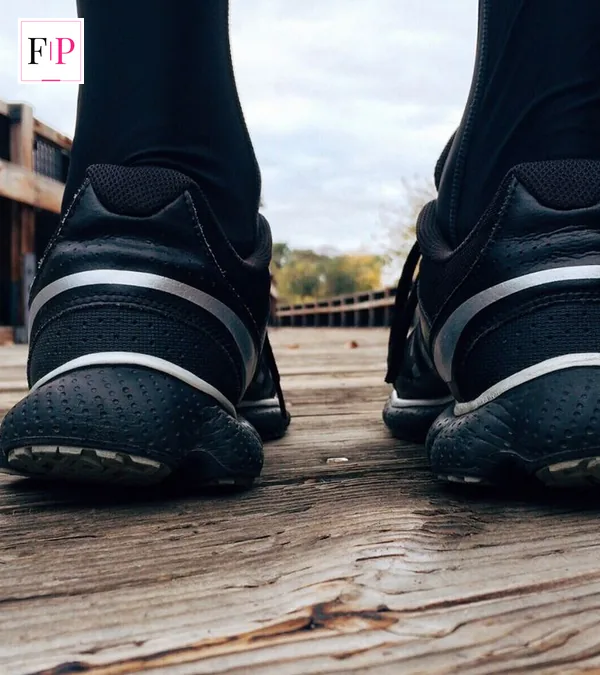
- Check your kit. Comfortable trainers that fit well are enough to begin; you do not need racing shoes or technical clothing for week one.
- Pick your three days. Choose non-consecutive days you can protect — for example Monday, Wednesday and Saturday — and treat them as appointments.
- Plan a route. A flat park loop or quiet pavement route near home removes every excuse. Avoid hills in the early weeks.
- Run slowly — slower than you think. You should be able to speak in short sentences while running. If you cannot, slow down; walking breaks will do the rest.
- Warm up and cool down every time. The brisk five-minute walks at each end of the session are part of the plan, not optional extras.
- Log each run. Ticking off sessions in the app, or on a calendar, builds the streak that carries you through harder weeks.
A note on safety: the plan is designed for people who do little or no exercise, but if you have a medical condition, an injury or any concern about exercising, speak to your GP before starting. Stop and seek advice if you feel pain, dizziness or unusual breathlessness — effort is expected, pain is not.
The Free NHS App and Its Coaches
The app is what turns couch to 5k from a chart on a fridge into a coach in your ear. The free NHS Couch to 5K app times every interval for you, tells you when to run and when to walk, and tracks your progress through the nine weeks, so all you have to do is show up and move.
Its most loved feature is the choice of narrator coaches. Instead of a robotic beep, you pick a voice to guide and encourage you through each session. Having a familiar voice celebrate your finished runs sounds like a small thing, but graduates consistently credit their chosen coach with getting them out of the door on wet Wednesday evenings.
The app also structures the discipline that makes the plan work: it spaces your runs, unlocks progress week by week and celebrates milestones. Prefer company? Many beginners pair the app with a weekly parkrun in the later weeks — walking and running the 5K course as their third session — or with gentle cross-training on rest days. Our guide to yoga for beginners is a good low-impact companion for the days between runs.
7 Beginner Mistakes That Can Derail Your Plan
Almost everyone who struggles with couch to 5k makes one of the same few mistakes. Avoid these and your odds of graduating rise dramatically:
- Running too fast. The number one error. Week-one runs should feel almost embarrassingly slow. Speed comes later; endurance comes first.
- Skipping rest days. Running on tired legs invites injury. The plan builds fitness on rest days as much as on run days.
- Skipping ahead. Feeling good in week two does not mean you should jump to week four. The gradual build is the whole point.
- Comparing yourself to others. Your only competitor is last week’s you. Social media runners are showing highlights, not first attempts.
- Quitting after one bad run. Everyone has a run that feels awful — poor sleep, heavy legs, bad weather. One bad session means nothing; the next is usually fine.
- Neglecting footwear and surfaces. Worn-out shoes and hard, uneven routes make everything harder. Softer park paths are kinder while you build up.
- Treating week nine as the end. More on this below — the graduates who keep running are the ones with a next goal ready.
Notice what is not on that list: being slow. There is no pace requirement anywhere in the plan. A 30-minute run at a gentle jog is a complete success, whatever distance it covers. Many beginners cover a little under 5K in 30 minutes at first and reach the full distance a few weeks after graduating, simply by keeping going.
After Week 9: Keeping the Habit Alive
Graduation day feels brilliant — and then, for some people, strangely flat. The structure that carried you for nine weeks disappears. The secret to keeping your couch to 5k gains is to replace the plan before motivation fades.
Start with consolidation: repeat your 30-minute runs three times a week for several weeks until they feel comfortable. Then build gradually — add a few minutes to one weekly run, try a parkrun for the full 5K distance against the clock, or explore a 10K plan when you are ready. Autumn starters have another advantage: building a winter routine now sets you up perfectly for the colder months, and our Winter Arc fitness plan shows how to turn that momentum into a full season of progress.
Above all, protect the habit, not the heroics. Two or three steady runs a week, every week, will keep everything couch to 5k gave you: the fitness, the headspace and the quiet pride of being someone who runs.
Conclusion: your first run is the hardest — and it is only a minute long.
How long does Couch to 5K take to complete?
The plan takes nine weeks, with three runs per week and a rest day between each run. Most sessions last around 30 minutes, including warm-up and cool-down walks. Many beginners repeat a week or two along the way, so finishing in 11 or 12 weeks is completely normal.
Is Couch to 5K really free?
Yes. The NHS Couch to 5K app is free to download, and the plan itself costs nothing to follow. You do not need a gym membership or special equipment to begin — just comfortable trainers, suitable clothing for the weather and a safe, fairly flat route near home.
Can I do Couch to 5K if I am very unfit or have never run before?
Yes — the plan was designed for people who do little or no exercise. The first week uses short running bursts broken up by walks, and you can repeat any week as often as you need. If you have a medical condition or any concern about exercising, speak to your GP before starting.
What should I do if I cannot finish a Couch to 5K run?
Slow down first — most beginners simply run too fast. If you still cannot finish a session, walk the remaining intervals, then repeat that week before moving on. Repeating weeks is built into how many successful graduates use the plan; it is always better than pushing through pain or giving up.
How far is 5K, and will I run the full distance by week 9?
5K is five kilometres, about 3.1 miles. The plan builds you to running for 30 minutes non-stop by week 9, which is roughly 5K for many people. Slower beginners may cover slightly less at first and usually reach the full distance within a few weeks of graduating by keeping up their three weekly runs.
What should I do after finishing Couch to 5K?
Consolidate first: repeat your 30-minute runs three times a week for several weeks until they feel comfortable. Then build gradually — add a few minutes to one weekly run, try a parkrun for a timed full 5K, or start a 10K plan when you feel ready. Keeping a next goal is the best way to protect your new habit.
couch to 5k works because it asks so little at the start and delivers so much by the end: nine weeks, three runs a week, rest days protected, and a free NHS app coaching every step. Join the thousands of Britons starting this autumn, download the app today, choose your coach, and put your first run in the diary. Nine weeks from now, you could be running for 30 minutes — and wondering why you ever doubted you could.
